In all its forms, art connects the physical world with ideas. It renders emotions and thoughts, going beyond the surface to reflect what it means to be human. Art is vast and inclusive. It welcomes different ways of expression, both traditional and extraordinary ones.
In this guide, you will find a detailed explanation of each form of art, including classic and modern art forms. This will help you gain a broader understanding of art and lay the foundation for further investigation.
What Are Different Forms of Art?
Art forms are specific categories or classifications of artistic expression, each with distinct techniques, mediums, and conventions. They help organize and comprehend the forms of expression. Each art form has its own approach to conveying meaning, whether through visual elements, performance, or written language. To better understand their unique qualities, let’s define each form of art in particular.
Classic Forms of Art
Regardless of new forms of art constantly emerging, there are classic and universally recognized forms of art that make the pillars holding the very concept of art. Seven classic forms of art are:
Why Are Classic Forms of Art Important?
Classic art has withstood centuries, earning its place as a cornerstone of culture, history, and artistic achievement. Here’s why these timeless qualities matter.
Historical Significance. Painting, sculpture, architecture, literature, theater, cinema, and music have been practiced for centuries, often tracing their origins back to ancient civilizations. They played integral roles in human culture and history and contributed to the development of societies and civilizations.
Enduring Appeal. Classic art forms demonstrated a timeless quality resonating with audiences across different eras and cultures, across every art period. They evoke universal themes and emotions that transcend time and place.
Cultural Influence. Painting, sculpture, architecture, literature, theater, cinema, and music impact cultural identities and values. They are vehicles for expressing cultural beliefs, ideals, and narratives, influencing societal norms and perceptions.
Artistic Mastery. Throughout history, artists and creators within classic art forms have achieved unparalleled levels of skill and innovation. Their works have set standards for craftsmanship, creativity, and artistic expression, earning them recognition as classics.
Let’s explore each of the seven different forms of art and examine their examples.
Painting

Painting is a visual art form that involves applying paints onto a surface, such as canvas or paper, to create images or designs. Artists use various techniques to create images, convey emotions, and communicate ideas. Painting has a rich history and involves many styles, making it a versatile and enduring form of art.
“Painting is just another way of keeping a diary.”
Pablo Picasso
Features of Painting as a Form of Art
- Two-Dimensional Surface. Painting is typically created on a two-dimensional surface, such as canvas, paper, wood, or fabric. Unlike sculpture or installation art, which occupies three-dimensional space, painting is flat.
- Pigments and Color. Artists use pigments, which are colored powders or substances, mixed with a binding medium (such as oil, water, or acrylic) to create colors. The manipulation of color is a fundamental aspect of painting.
- Brushwork and Technique. The application of paint involves various techniques and brushstrokes. Artists use different brush sizes, strokes, and methods to achieve desired textures, patterns, and visual effects.
- Composition. Painting involves the arrangement of elements within space. Composition refers to the organization of forms, colors, and other visual elements to create a harmonious and balanced image.
- Representation or Abstraction. Paintings can be representational, depicting recognizable subjects like landscapes or figures, or abstract, focusing on form, color, and expression without direct representation of recognizable objects.
- Layering and Texture. Artists can layer paint to create depth and texture. Texture may be manipulated by applying paint thickly (impasto) or thinning it to create smooth surfaces.
Sculpture
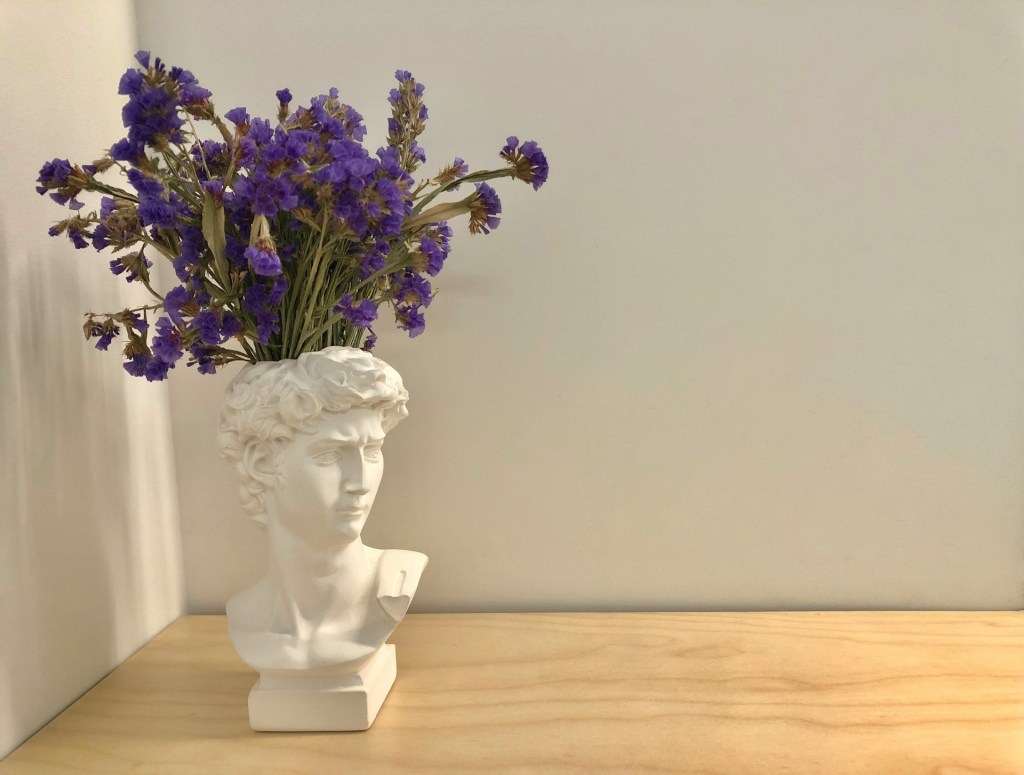
Sculpture is a three-dimensional visual art form where artists create physical forms and shapes by manipulating and modeling various materials. Sculptures can be freestanding or integrated into architectural structures. Unlike paintings or drawings, occupies three-dimensional space and encourages viewers to explore it from multiple viewpoints.
“Every block of stone has a statue inside it, and it is the task of the sculptor to discover it.”
Michelangelo
Characteristics of Sculpture as a Form of Art
Three-Dimensionality. Sculptures occupy physical space and have height, width, and depth. Viewers can walk around them to experience different perspectives.
- Materials. Sculptors use various materials to create their works, including traditional materials like bronze, marble, and wood, as well as more contemporary materials like plastic, metal, and found objects.
- Techniques. Artists employ different techniques such as carving, modeling, casting, welding, and assembling to shape and form their sculptures.
- Scale. Sculptures exhibit a diverse range of sizes, from small and intricate pieces to large-scale public installations and monumental artworks.
- Installation Art. Some sculptures are designed for specific spaces and are considered installation art. These artworks often engage with the surrounding environment.
Architecture

Architecture as an art form is the creative and expressive practice of designing and constructing buildings and structures. It goes beyond the functional aspects of providing shelter and encompasses aesthetic, cultural, and symbolic dimensions.
“A building is alive, like a man, and its spirit is the spirit of its maker.”
Frank Lloyd Wright
What Makes Architecture an Art Form
- Aesthetic Expression. Architects use form, shape, space, and materials to create visually pleasing and harmonious structures. Aesthetic considerations often involve the manipulation of light, color, and texture to evoke specific emotional responses.
- Spatial Composition. Architecture involves the thoughtful arrangement of spaces and volumes. Architects consider how users will experience and move through the built environment, creating dynamic and engaging spatial compositions.
- Cultural Significance: Architecture reflects and responds to cultural contexts, embodying the values, traditions, and aspirations of a society. Buildings may serve as symbols and representations of cultural identity.
- Human Experience. Architecture is concerned with enhancing the quality of human experience. This includes considerations of comfort, functionality, and the creation of environments that support well-being.
- Contextual Integration. Architects respond to the context in which buildings are situated, whether it be urban, rural, historical, or natural. Contextual integration ensures that structures harmonize with their surroundings.
- Form and Function Integration. Architects strive to balance form and function. A skillfully designed building not only functions effectively for its intended use but also exhibits aesthetic and artistic appeal.
Literature

Literature is a form of communication that uses language as a medium to convey ideas, emotions, and experiences. It incorporates a wide range of creative and intellectual expressions, including different genres and literary devices.
“A writer only begins a book. A reader finishes it.”
Samuel Johnson
Characteristics of Literature as Art
- Aesthetic Value. Literature is often crafted with attention to language, style, and form to create aesthetic experiences for readers. Writers use literary devices, such as metaphor, symbolism, and imagery, to enhance the artistic quality of their work.
- Genres. Literature encompasses various genres, each with its conventions and forms. Common genres include fiction (novels, short stories), poetry, drama (plays), and non-fiction (essays, memoirs).
- Cultural and Historical Context. Literary works provide insights into the beliefs, values, and social dynamics of a particular time and place.
- Critical Engagement. Literature encourages critical thinking and analysis. Readers interpret and analyze texts, exploring themes, characters, and literary techniques to gain a deeper understanding of the work.
- Interdisciplinary Connections. Literature often intersects with other art forms, including visual arts, music, and performance. Adaptations of literary works into various mediums highlight these interdisciplinary connections.
- Impact on Society. Literature has the power to shape and reflect societal norms, challenge established ideas, and contribute to cultural and intellectual movements.
- Universality and Timelessness. Certain literary works have a universal appeal and enduring relevance across different cultures and periods. These works continue to be studied, appreciated, and adapted for new audiences.
Theater
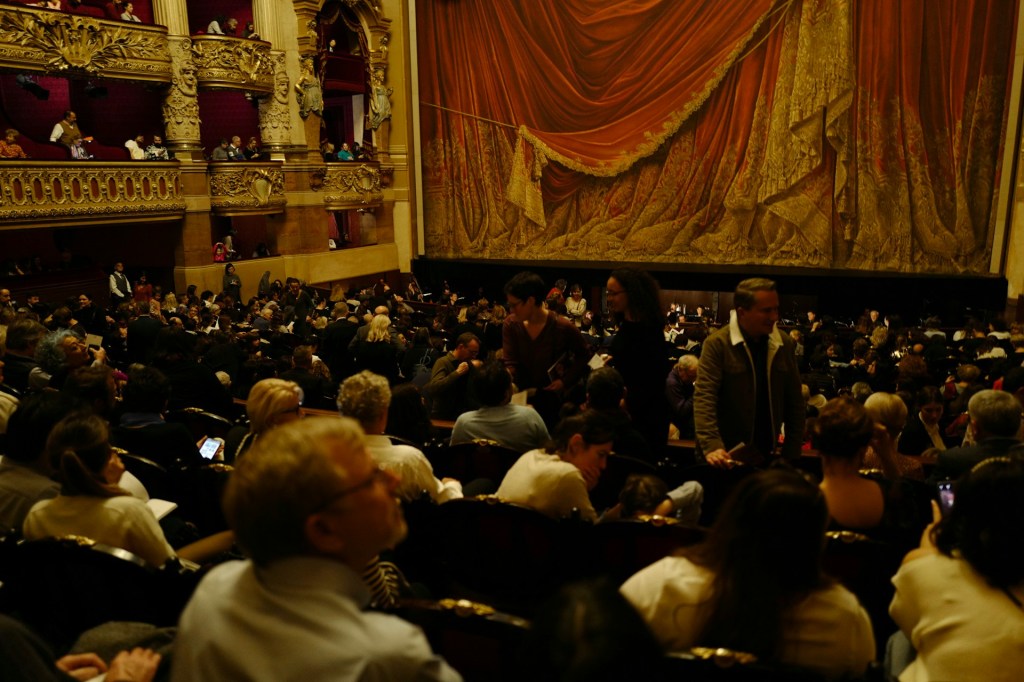
Theater is a performing art form that involves live performances by actors and actresses, usually in a stage setting. It is a collaborative art form that combines elements such as acting, set design, lighting, costumes, and sound to create a holistic and immersive experience for the audience.
“The purpose of a writer is to keep civilization from destroying itself. And as civilization is overwhelmed, as the theater of action is dynamited, we begin to believe the writer. When we no longer have a theater, a drama, we lose sight of this unwritten law.”
Albert Camus
Features of Theater as a Form of Art
- Live Performance. Theater involves live performances where actors present a story or engage in a dramatic presentation in front of a live audience. The immediacy of the performance creates a unique and dynamic connection between performers and viewers.
- Script and Dialogue. The core of many theatrical productions is a script, which includes the dialogue, actions, and directions for the performers.
- Acting. Actors embody characters and bring them to life on stage. Their performances involve the use of voice, body language, and emotion to convey the story and engage the audience.
- Stage Design. The physical space where the performance takes place, known as the stage, is an essential element of theater. Stage design includes sets, props, and scenery that contribute to the overall visual experience.
- Direction. A director oversees the production, guiding the actors, designers, and other collaborators to ensure a cohesive and effective presentation. The director interprets the script and makes artistic decisions about the production.
- Audience Interaction. Unlike many other art forms, theater involves a direct relationship between performers and the audience. The reactions and energy of the audience can influence the performance, creating a shared experience.
Cinema
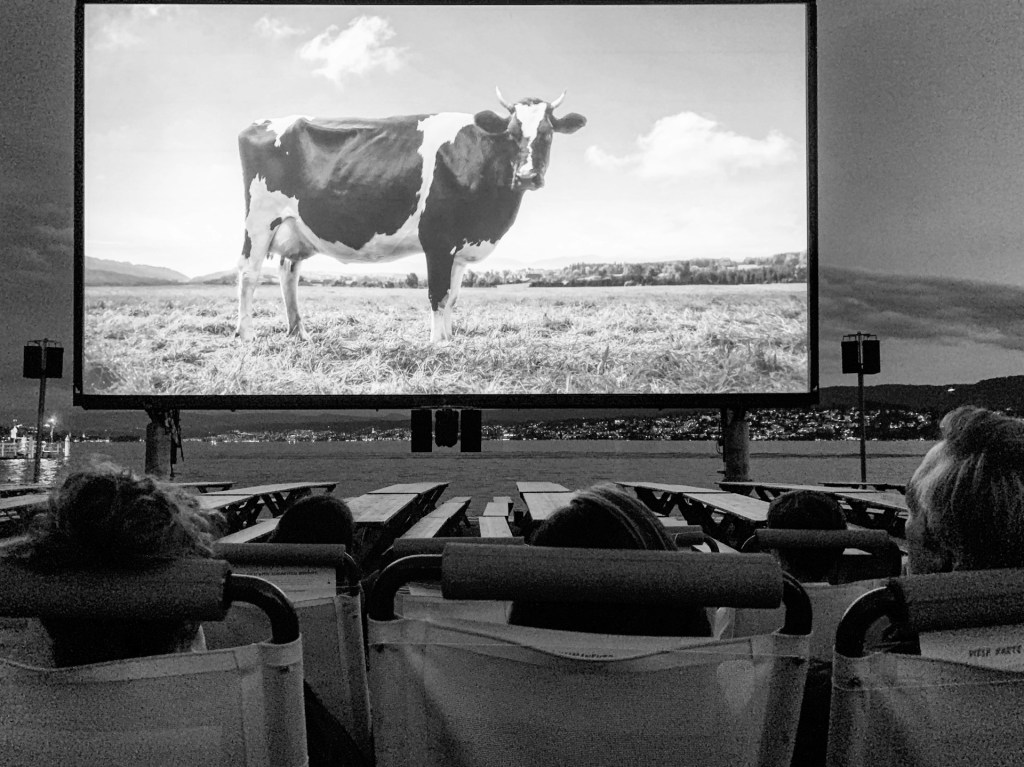
Cinema is the art and industry of creating moving images involving visual and auditory elements. It combines various artistic and technical elements to convey narratives, emotions, and ideas to an audience. Cinema has a significant impact on culture and society.
“A film is – or should be – more like music than like fiction. It should be a progression of moods and feelings. The theme, what’s behind the emotion, the meaning, all that comes later.”
Stanley Kubrick
Qualities of Cinema as an Art Form
- Moving Images. Cinema involves the recording and projection of moving images, creating the illusion of motion through a rapid sequence of individual frames.
- Narrative Storytelling. Many films follow a narrative structure, telling stories through characters, plots, and themes.
- Visual Composition. Cinematography involves the visual composition of shots, including framing, camera angles, movement, and lighting. Cinematographers use these elements to create visual aesthetics that enhance the storytelling.
- Sound Design. Sound is a crucial component of cinema, including dialogue, music, and sound effects. Sound design enhances the emotional impact of scenes and contributes to the overall atmosphere of the film.
- Acting. Performances by actors bring characters to life on screen. Acting in cinema requires a combination of physical and emotional expression to convey the nuances of characters and relationships.
- Direction. Film directors oversee the entire filmmaking process, making artistic and creative decisions about the visual style, performances, and overall vision of the film.
- Genres. Cinema genres include but are not limited to drama, comedy, thriller, horror, science fiction, documentary, animation, and experimental film. Each genre has its own conventions and storytelling approaches.
- Cultural Impact. Cinema is a powerful cultural medium that reflects and influences societal values, beliefs, and trends. Films can shape public discourse, raise awareness of social issues, and contribute to cultural identity.
- Technology. From the invention of the camera to the development of color film, sound, special effects, and digital filmmaking, technology has played a crucial role in the evolution of cinema.
- Film Industry. Cinema is also an industry that involves the production, distribution, and exhibition of films. The film industry incorporates studios, filmmakers, distributors, theaters, festivals, and audiences.
Music
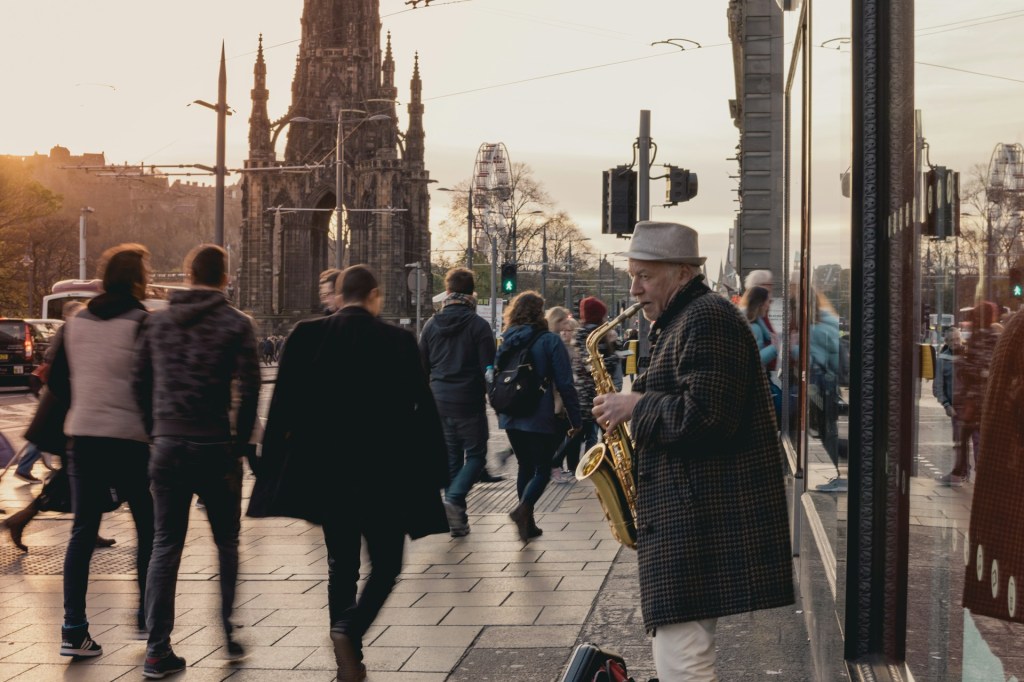
Music, as an art form, is a medium of sound that is organized in time. It involves the expression of emotions, ideas, and beauty through the manipulation of sound elements such as melody, harmony, rhythm, dynamics, and timbre. It serves various purposes, from entertainment and cultural expression to personal reflection and social commentary.
“Where words fail, music speaks.”
Hans Christian Andersen
Characteristics of Music as a Form of Art
- Melody. This is a sequence of musical notes that form a recognizable tune. Melodies are typically the main focus of a piece of music and provide a sense of direction and expression.
- Harmony. This involves the simultaneous sounding of different pitches to create chords. The interplay of harmonies contributes to the overall tonal color and emotional impact of a composition.
- Rhythm. This is the arrangement of sounds in time, creating patterns of beats and accents. It provides the structure for music, and variations in rhythm contribute to the overall feel and energy of a piece.
- Dynamics. This refers to the variations in loudness and intensity in music. Changes in dynamics can convey emotion, emphasize certain elements, and create a sense of tension and release.
- Timbre. Timbre (tone color) is the distinctive attribute of a sound that differentiates it from other sounds. It is influenced by the instrument or voice producing the sound and adding richness and character to the music.
- Form. Musical form refers to the overall structure of a piece, including the arrangement of sections such as verses, choruses, and bridges. The form gives coherence to a composition and guides the listener through the musical journey.
- Composition and Performance. Music can be created through composition, where a composer writes down musical ideas, or through improvisation, where musicians create music in real-time. Performance involves the interpretation and execution of the music by musicians.
- Cultural and Historical Significance. Music reflects the cultural and historical context in which it is created. Different cultures and historical periods have produced distinct musical styles, traditions, and instruments.
- Technology and Production. Advancements in technology have had a significant impact on music production and distribution. Recording, electronic instruments, and digital platforms have transformed the way music is created and consumed.
Contemporary Forms of Art
When people talk about ‘Modern Art’, they usually think of a type of art which has completely broken with the traditions of the past and tries to do things no artist would have dreamed of before… But we have seen that the situation is really more complex, and that modern art no less than old art came into existence in response to certain definite problems.
Gombrich E.H. (1950). The Story of Art
Contemporary art refers to the diverse range of artistic styles, practices, and forms that have emerged since the mid-20th century up to the present day. It is marked by its openness to diverse influences, global perspectives, and the incorporation of new technologies. It reflects the complex and rapidly changing nature of the contemporary world and often engages with issues such as globalization, identity, technology, and the environment.
Let’s discover the most distinguished contemporary forms of art.
- Installation Art
- Digital and New Media Art
- Street Art and Graffiti
- Land Art (Earthworks)
- Conceptual Art
- Contemporary Photography
- Bioart
Installation Art
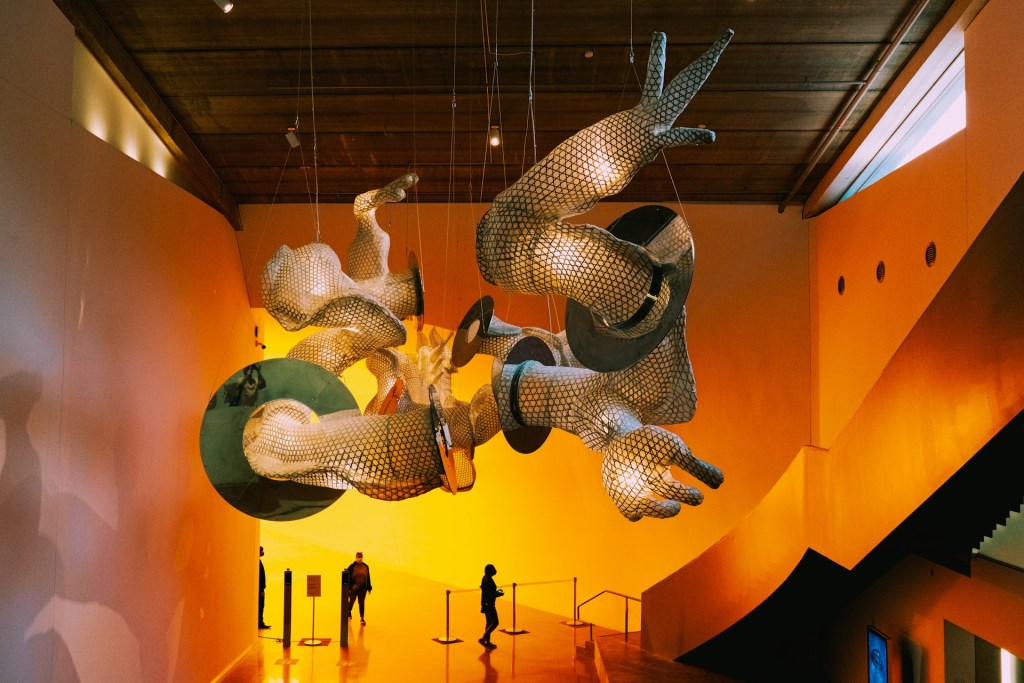
Installation artworks are created within a specific environment, often incorporating sculpture, sound, video, and interactive media. The viewer is invited to experience the artwork in a three-dimensional space.
Installation art transforms spaces, making the environment an essential part of the work rather than just a backdrop. Artists like Yayoi Kusama and Olafur Eliasson use light, mirrors, and immersive structures to alter perception and engage the senses. Some installations are site-specific, designed for a particular location, while others can be reassembled in different settings, changing their meaning based on context.
Digital and New Media Art

Digital art often challenges traditional notions of authorship and originality, as it can be easily replicated and shared. Digital artists experiment with new forms of interaction, often blurring the line between creator and audience. The medium has become a platform for exploring issues like identity, data, and the impact of digital culture.
Digital art also opens up new possibilities for collaboration between coding, animation, and game design. Some works exist solely in virtual spaces, while others are created using artificial intelligence or algorithms that generate evolving pieces. The rise of NFTs (non-fungible tokens) has introduced new ways of owning and trading digital art, sparking debates about value and originality in the digital age.
Street Art and Graffiti

Street art has its roots in graffiti but distinguishes itself by often involving a wider range of techniques and materials. Artists may use stencils, stickers, posters, or installations to create works usually meant to challenge or comment on societal norms. It has evolved from its rebellious beginnings into a global movement, with artists like Banksy gaining international recognition. Unlike traditional graffiti, which often focuses on tags or signatures, street art is more about conveying a message, raising awareness, or simply transforming public spaces into places of visual conversation.
The ephemeral nature of street art, with its vulnerability to being removed or painted over, adds to its sense of urgency and immediacy. It also thrives on interaction, as the public becomes part of the experience, by encountering the art unexpectedly or sharing their interpretations.
Land Art (Earthworks)
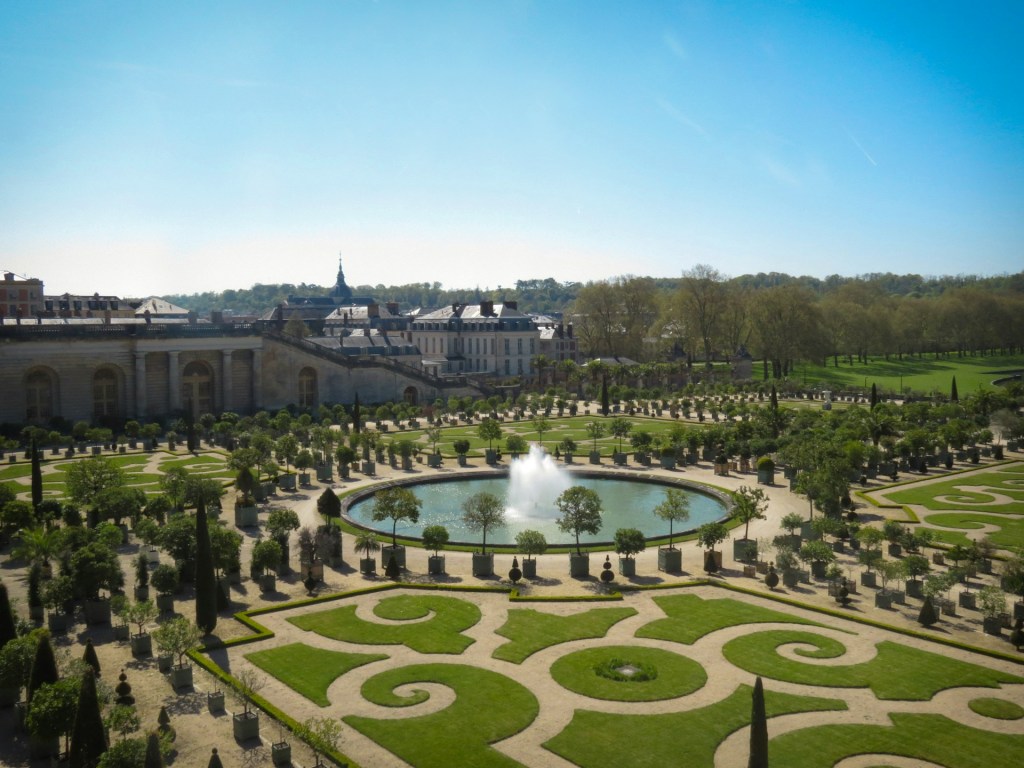
Land art is created in natural landscapes using natural materials such as rocks, soil, and vegetation. It’s often large-scale and ephemeral, emphasizing the relationship between art and the environment.
Land art emerged in the 1960s and 1970s as a response to the commercialization of art and the confines of gallery spaces. Artists like Robert Smithson and Nancy Holt created works that blended with nature, often highlighting geological processes or the passage of time. Some pieces, like Smithson’s Spiral Jetty, remain visible for decades, while others erode or disappear, reinforcing the idea that nature itself is an active participant in the artwork.
Conceptual Art

Conceptual art prioritizes the idea or concept behind the artwork over its physical form. The finished piece might be a text, an instruction, or even a document, challenging the traditional notion that art must be visually or aesthetically pleasing. Artists like Sol LeWitt and Joseph Kosuth used simple materials like words, diagrams, or everyday objects to express complex ideas about perception, reality, and the role of the artist. The focus is on the intellectual engagement of the viewer, often prompting them to question the boundaries of art itself. Conceptual art can sometimes be intangible or temporary, as it may exist solely in the mind of the audience or in the form of an idea that doesn’t necessarily need to be materialized.
Contemporary Photography
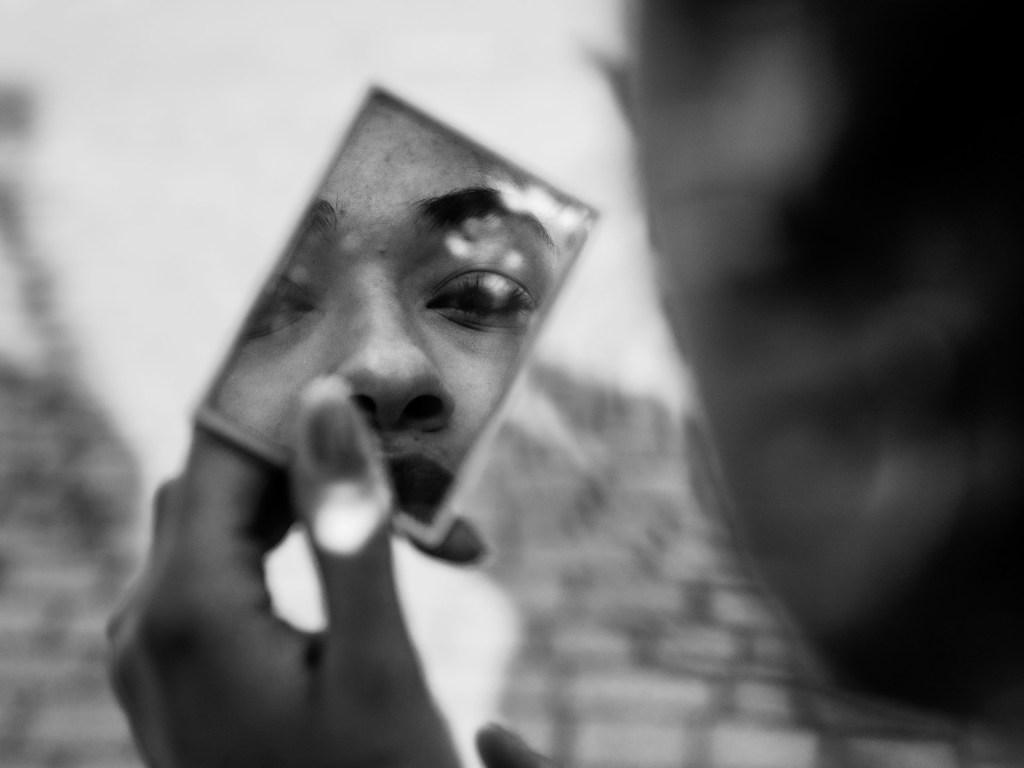
Contemporary photography goes beyond traditional techniques of capturing images. It involves new ways of representing reality, often through digital manipulation, experimental processes, or conceptual approaches. Many contemporary photographers challenge the boundaries between art and documentation, using their work to address issues like identity, politics, social change, and technology. Some may focus on photographing moments in unconventional ways. Others create staged or manipulated scenes that invite deeper reflection.
Bioart
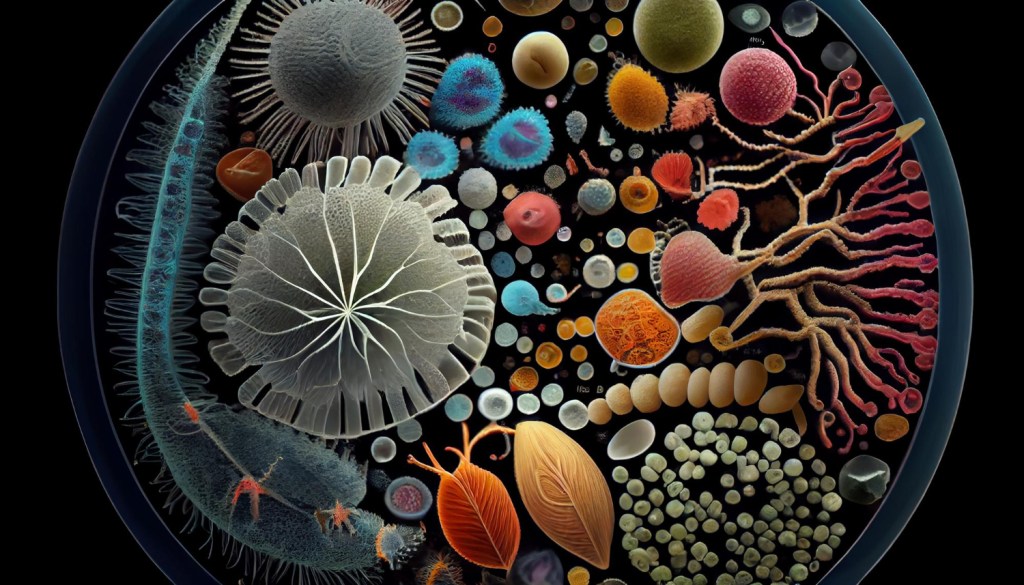
Bioart uses living organisms, biological processes, and biotechnology as the medium for artistic expression. Artists experiment with genetics, cells, bacteria, and even living organisms like plants and animals, often in collaboration with scientists and biotechnologists. Bioart raises questions about ethics, the manipulation of life, and the intersection of science, nature, and art.
Bioart works can involve creating genetically modified organisms, growing art in petri dishes, or using bioengineering to alter living systems, sometimes creating pieces that evolve or self-destruct over time. The medium invites viewers to reconsider the boundaries between nature, technology, and humanity. The artists explore complex issues like bioethics, environmentalism, and the role of scientific advancement in society.
Contrasting Philosophies in Classic and Contemporary Art
Art tells the story of human experience, constantly shifting with the times. Where classic art captures the pursuit of ideal beauty and harmony, contemporary art dives into the messiness of individual identity, social critique, and the ever-changing world around us. The contrasts between these two movements reveal more than just different styles—they speak to how we see ourselves and our place in the world.
Timeless Ideals vs. Subjective Realities
Classic art focuses on universal truths, representing idealized beauty and harmony, grounded in philosophical clarity and social stability. It reflects a timeless, rational view of the human experience. In contrast, contemporary art explores individual expression, questions traditional boundaries, and embraces subjective realities. It delves into personal identity, psychological complexity, and social critique, reflecting the fragmented and often chaotic nature of modern life.
Cultural Reflection vs. Challenge
While classic art reinforces cultural norms and power structures, contemporary art often challenges these, questions authority, and offers diverse perspectives. It engages with contemporary issues such as inequality and identity and aims to provoke thought, social change, and reflection on the complexities of today’s world.
The Sources of Art
Art finds its origins in the most unexpected yet enchanting moments. In his majestic writing on aesthetics, Art as Experience, John Dewey reflects on the source of art in human experience.
“The sources of art in human experience will be learned by him who sees how the tense grace of the ball-player infects the onlooking crowd; who notes the delight of the housewife in tending her plants, and the intent interest of her goodman in tending the patch of green in front of the house; the zest of the spectator in poking the wood burning on the hearth and in watching the darting flames and crumbling coals.”
This perspective reminds us that art is not confined to canvas or stage; it is deeply embedded in the very human existence.
 Artenquire