

In the golden light of antiquity, ancient Greek art enchants with its mysterious atmosphere and enigmatic beauty. Its sculpture, architecture, pottery, and literature whisper thrilling secrets of human expression and cultural mastery.
To learn how to understand and interpret ancient Greek art, we will start by exploring its historical framework.
The Historical Periods of Ancient Greek Art:
Ancient Greek art emerged from a blend of cultural influences. It evolved through distinct periods to become a pinnacle of artistic achievement in the ancient world. Let’s explore the timeline of ancient Greek art to better understand the connection between historical events and artistic trends.
Ancient Greek art reflects the cultural and historical dynamics of its time, spanning from the Archaic to the Hellenistic periods.
Mycenaean Civilization – Builders, Warriors, and Epic Narratives
Mycenaean Civilization (c. 1600–1100 BCE) was one of the earliest advanced civilizations with powerful monarchies, warrior elites, and centralized palatial economies. The Mycenaeans were skilled architects and engineers who built impressive fortresses, palaces, and tombs. This period is also famous for its epic literature, particularly the works of Homer, providing insights into Mycenaean culture, society, and warfare.
Dark Ages – Decentralization and Economic Shifts
Dark Ages in Greece (c. 1100–800 BCE) followed the collapse of the Mycenaean Civilization, leading to a decline in population, trade, and culture. Greek society during this time experienced decentralization, with smaller communities and settlements emerging as the dominant social units. The economy shifted towards self-sufficiency and pastoralism (raising livestock for subsistence or sale), with agriculture becoming the primary means of subsistence.
Archaic Period – City-States and Philosophical Inquiry
Archaic Period (c. 800–480 BCE) is notable for the emergence of Greek city-states, such as Athens, Sparta, Corinth, and Thebes, which developed distinct political institutions, laws, and social structures. Colonization expanded across the Mediterranean and Black Sea regions. The Archaic Period also witnessed the birth of Greek philosophy, with thinkers like Thales, Pythagoras, Heraclitus, and others exploring questions of nature, ethics, and metaphysics.
Classical Period – Greek Peak and Crucial Conflicts
Classical Period (c. 480–323 BCE) is considered the zenith of Ancient Greek civilization, marked by achievements in politics, art, literature, philosophy, and warfare. The Persian Wars were pivotal in shaping Greek identity and preserving Greek autonomy against Persian invasion.
Athens experienced its Golden Age during the fifth century BCE under the leadership of statesman Pericles, witnessing the flourishing of democracy, philosophy, drama, and architecture.
The conquests of Alexander the Great spread Greek culture throughout the known world, from Greece to Egypt, Persia, and India, establishing one of the largest empires in history.
Ancient Greek Society Structure
Ancient Greek society was composed of city-states with diverse governments and cultures. Citizens, mostly wealthy landowners, held political power, while non-citizens, including resident aliens and slaves, had limited rights. Women were primarily responsible for domestic duties, though in Sparta, they enjoyed more freedom and physical training. Family and kinship ties were crucial, and social mobility was possible through achievements or patronage.
Ancient Greek Culture
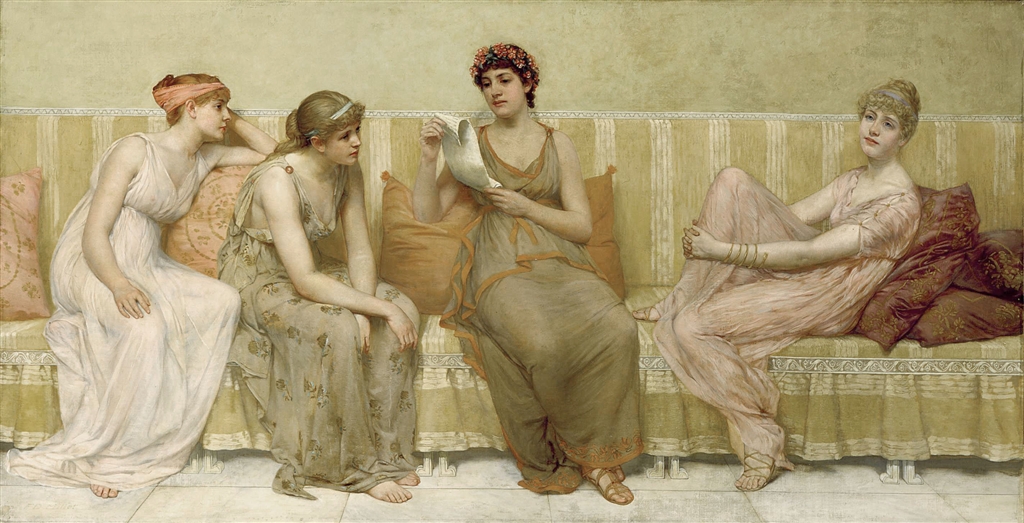
Ancient Greek culture thrived in philosophy, art, literature, and athletics. It fostered democratic governance, scientific inquiry, and architectural innovation.
Philosophy
Ancient Greek philosophers proposed diverse ideas that laid the groundwork for Western thought. Socrates emphasized the importance of questioning and self-examination, Plato explored the concept of ideal forms and the nature of knowledge, while Aristotle delved into ethics, logic, and the classification of knowledge. Their contributions shaped philosophical inquiry and influenced politics, ethics, and metaphysics for centuries to come.
Art
Ancient Greek art and architecture emphasized beauty, balance, and realism, establishing the basis of aesthetics. It captured idealized human form and expressed cultural values, such as the celebration of athleticism in depictions of athletes, the reverence for gods and goddesses in religious imagery, and the importance of harmony and balance in architectural design.
Athletics
Athletic competitions, such as the Olympic Games, celebrated prowess and served as platforms for displaying excellence and glory. Besides, these activities provided opportunities for diplomacy and international exchange among Greek city-states.
Religion
Religious festivals and rituals played significant roles in the public and private life of the ancient Greeks. Their religion centered on anthropomorphic gods and goddesses who were believed to possess human-like qualities, emotions, and personalities.
Ancient Greek Art Forms
Ancient Greek art was deeply intertwined with religion, politics, and daily life, serving as a means of expressing societal values, commemorating heroes and gods, and fostering civic pride. Moreover, Greek artists and thinkers pioneered new techniques, theories, and aesthetic ideals that would shape Western art and culture for centuries to come.
Theatre and Literature
In ancient Greece, theater and literature played vital roles in both entertainment and cultural expression. Through their literary and theatrical achievements, ancient Greeks explored fundamental questions of existence, morality, and the nature of reality, leaving a lasting legacy that continues to inspire and influence modern culture.
Theatre
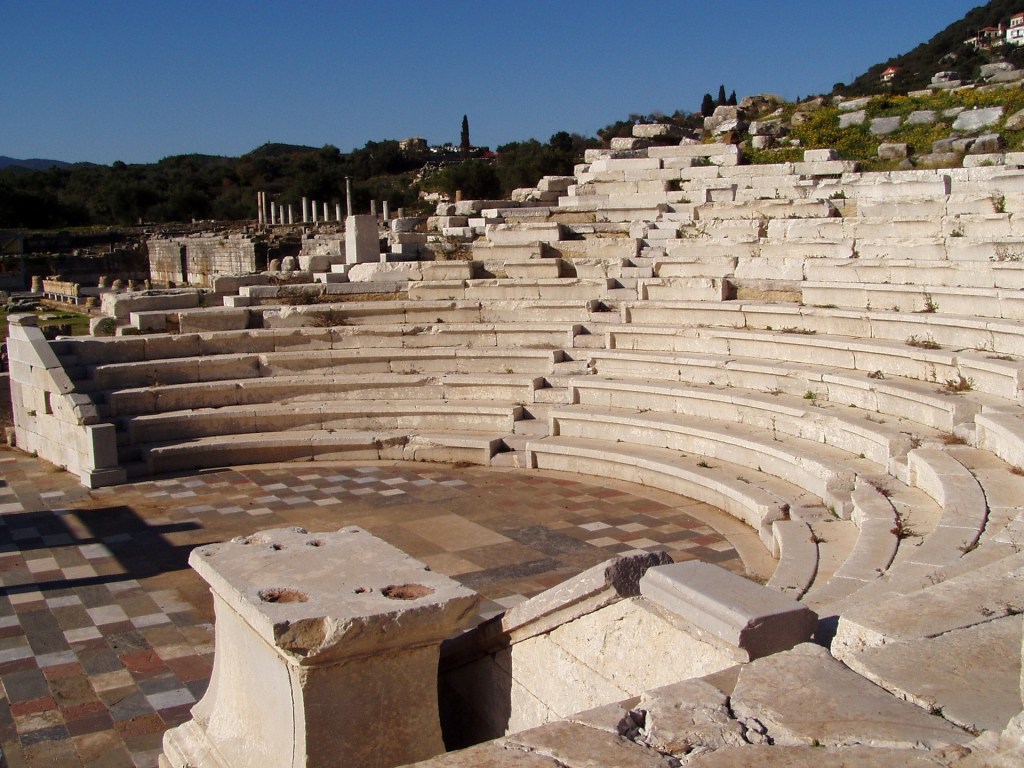
Greek drama, consisting of tragedies and comedies, was performed in open-air amphitheaters during religious festivals and civic events. Tragedies, such as those written by Aeschylus, Sophocles, and Euripides, explored themes of fate, morality, and the human condition, often drawing on mythological narratives to evoke emotional catharsis in the audience. Comedies, exemplified by the works of Aristophanes, provided satire and humor, offering social commentary on contemporary politics, society, and customs. Besides entertainment, these theatrical productions also served as platforms for civic engagement, education, and the promotion of cultural identity.
Literature
Ancient Greek literature embraced various genres and themes, reflecting the intellectual and cultural vibrancy of Greek society.
- Epic poetry celebrated heroic deeds and mythological narratives, exhibiting the values and beliefs of the ancient Greeks.
- Their lyric poetry expressed emotions, personal experiences, and philosophical reflections through musical verse forms.
- Historical accounts chronicled significant events and shaped early historiography.
- Philosophical treatises explored fundamental questions of ethics, politics, and metaphysics, laying the groundwork for Western philosophical thought.
Ancient Greek writers sought to entertain, educate, and provoke thought, leaving a profound impact on subsequent generations and influencing the development of Western literature and philosophy.
Ancient Greek Architecture
Ancient Greeks made a huge contribution to the history of architecture. Greek architecture ideals emphasized proportion, harmony, and aesthetic balance. The architectural orders—Doric, Ionic, and Corinthian—serve as fundamental elements of Greek architectural design. Doric columns are sturdy and simple, with fluted shafts and plain capitals, while Ionic columns are more slender and adorned with volutes (scroll-like ornaments) on their capitals. Corinthian columns, the most ornate of the three, feature intricate acanthus leaf decorations.
Greek temples, the most iconic architectural form of Ancient Greece, were designed as places of worship for the gods and goddesses. The Parthenon, dedicated to the goddess Athena, is considered the epitome of classical Greek temple architecture.

In addition to temples, Greek architecture embraced theaters, stadiums, agora (marketplaces), stoas (covered walkways), and civic buildings. The theater of Epidaurus, with its exceptional acoustics and semicircular seating arrangement, is a testament to the Greeks’ mastery of architectural design and engineering.
Greek architects employed advanced construction techniques, such as post-and-lintel construction and the use of precise mathematical proportions, to create structures that were both aesthetically pleasing and structurally sound.
Sculpture
Ancient Greek sculptors pursued an idealized representation of the human body and emphasized balance, harmony, and naturalism. Their subjects were gods, heroes, athletes, and ordinary people, as well as animals, mythological creatures, and allegorical figures.
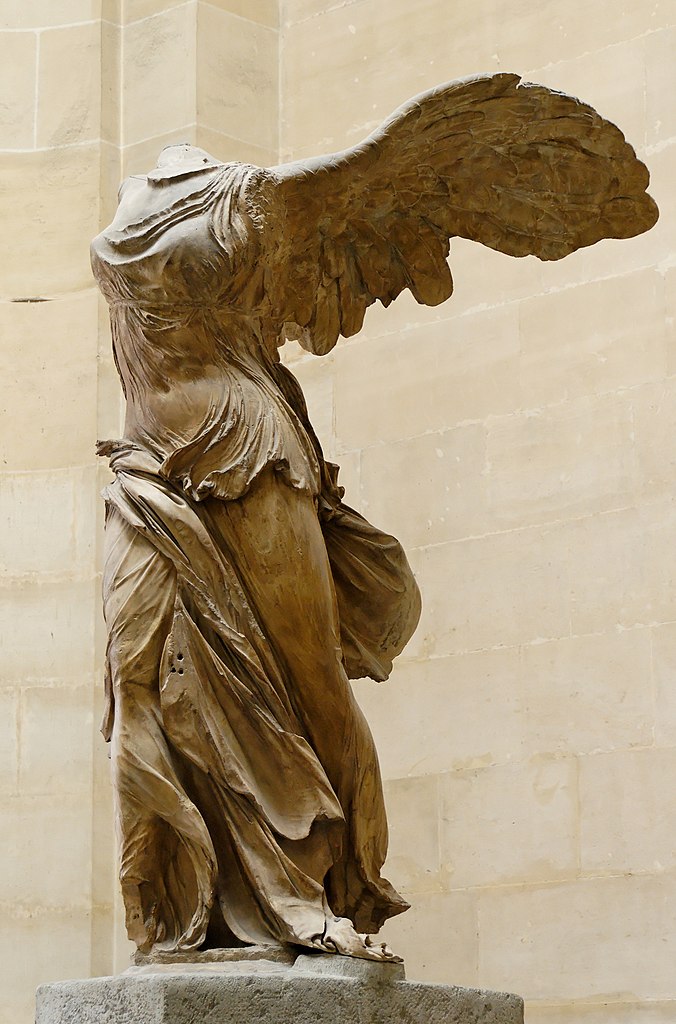
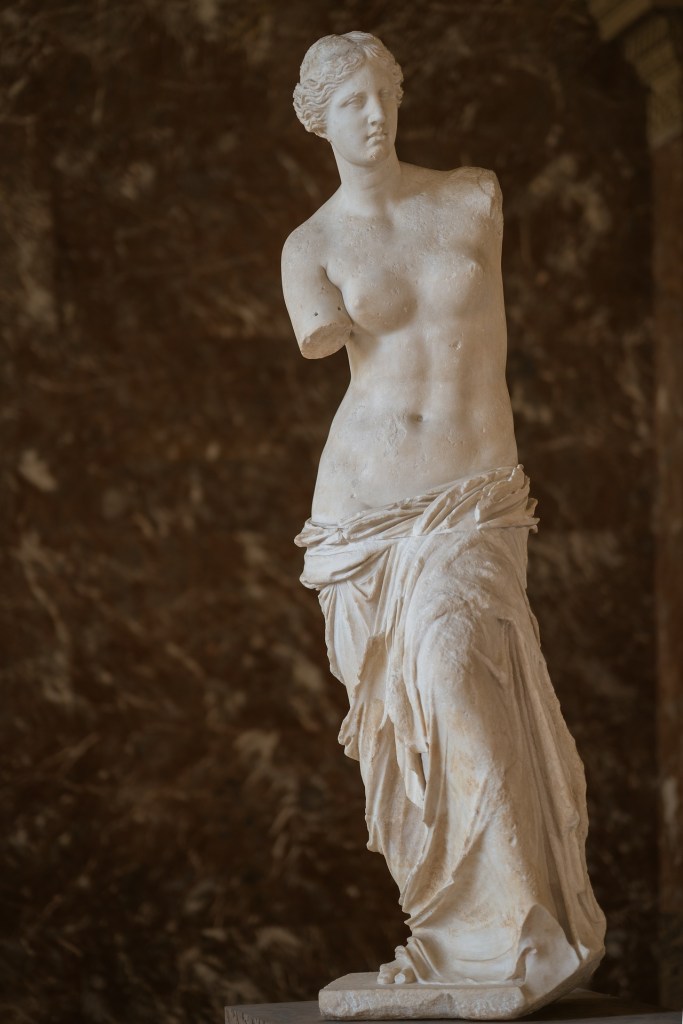
Sculptors such as Phidias and Myron perfected techniques to portray lifelike anatomy and dynamic movement, while monumental statues adorned temples and public spaces, serving religious, commemorative, and civic purposes. Ancient Greek sculptors worked primarily in marble, bronze, and terracotta, using tools like chisels and drills to carve, shape, and refine their creations with precision and skill.
Paintings
Although less well-preserved than other art forms, such as sculpture and architecture, ancient Greek painting was a significant aspect of Greek artistic expression. Greek painters adorned pottery vessels with intricate scenes from mythology, daily life, and religious rituals, employing techniques such as black-figure and red-figure painting to create detailed compositions.
Frescoes
Ancient Greek frescoes were a prominent form of wall decoration, commonly found in temples, palaces, tombs, and private residences. They were created by applying pigments, typically derived from natural materials such as minerals and plants, onto freshly laid plaster. The pigments would then become chemically bonded with the plaster as it dried, resulting in durable and long-lasting artwork.

The frescoes served various purposes, including aesthetic enhancement, storytelling, religious worship, and cultural expression. In religious contexts, frescoes often illustrated scenes from Greek mythology, such as the exploits of gods and heroes, as well as rituals and ceremonies associated with worship. In secular settings, frescoes might portray scenes of daily life, landscapes, animals, and still-life compositions.
The techniques used in creating ancient Greek frescoes varied depending on the period and regional styles. Some common methods included the use of fresco secco, where pigments were applied to dry plaster or true fresco, where pigments were applied to wet plaster. True fresco allowed for greater detail and color saturation but required swift and precise execution before the plaster dried.
While many ancient Greek frescoes have been lost over time due to deterioration, earthquakes, and human intervention, some notable examples have been preserved through archaeological excavations. These include frescoes found at sites such as Knossos in Crete, Akrotiri in Santorini, and Pompeii in Italy, which provide valuable insights into ancient Greek art, culture, and society.
Athenian Vase Painting
The art of vase painting flourished in Athens primarily from the sixth to the fourth centuries BCE. Athenian potters and painters produced various pottery types, including amphorae, kraters, kylikes, and lekythos, each serving different purposes such as storing wine, water, or oil.
Athenian vase painting is often divided into two main styles:
Black-figure technique, where figures and motifs were painted using slip (a diluted clay mixture) onto the natural reddish-orange surface of the clay vessel; details were then incised into the slip to create intricate designs.
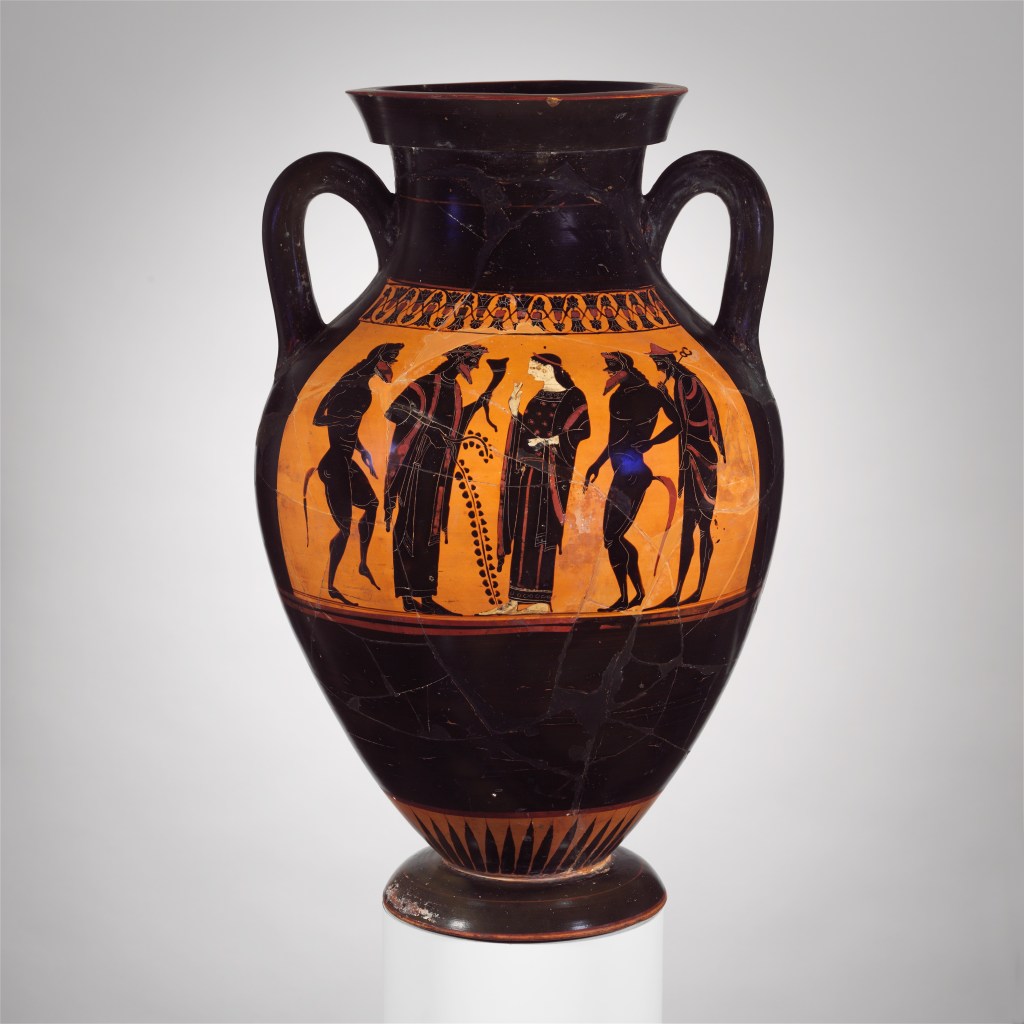
Red-figure technique, where figures and motifs were left unpainted while the background was painted black; details and outlines were then added using a brush, allowing for greater precision and flexibility in depicting figures and scenes.

Painted vessels served both practical and aesthetic purposes. They were used for storing and transporting various liquids and solids, as well as for serving wine during symposiums and other social gatherings. Additionally, Athenian vase painting provided a visual medium for storytelling, cultural expression, and the commemoration of important events and individuals in ancient Greek society.
Ancient Greek Art Under Alexander the Great
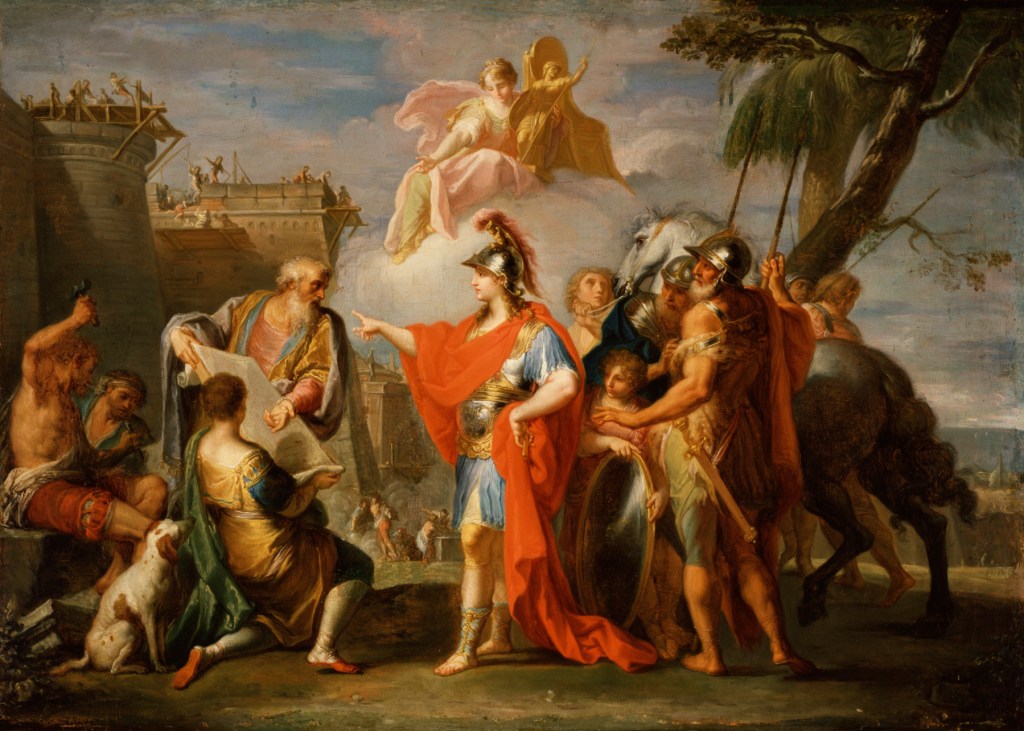
During Alexander the Great’s reign, ancient Greek art experienced significant developments, marking the transition from the Classical to the Hellenistic period. As Alexander conquered Asia, Egypt, and Persia, Greek art underwent synthesis and fusion with the cultures of the conquered territories, resulting in a new artistic style known as Hellenistic art.
Hellenistic Art
Hellenistic art exhibited greater realism, emotional expression, and dramatic intensity compared to the idealized forms of Classical Greek art. Sculpture, in particular, flourished during this period, with artists exploring new themes and techniques to convey the complexities of the human experience.
Hellenistic art also encompassed other media such as painting, mosaic, and architecture. Mosaics became increasingly popular as decorative elements in public and private buildings, while painting continued to evolve with the introduction of new pigments and techniques.
The conquests of Alexander the Great facilitated the spread of Greek culture, language, and artistic traditions throughout the vast territories of his empire, leading to the emergence of a cosmopolitan and multicultural society.
The Influence of Ancient Greek Art
Ancient Greek art’s influence goes beyond its own time, shaping various aspects of Western and global culture. It has served as a foundational influence for subsequent artistic movements and traditions.
Ancient Greek Art and Architecture
Ancient Greek architecture, especially in the Classical period (5th century BCE), emphasized symmetria (symmetry) and harmonia (harmony), reflecting philosophical ideals from thinkers like Pythagoras and Plato. The Parthenon in Athens, designed by Iktinos and Kallikrates, was not only a temple for Athena but also a symbol of Athenian democracy and cultural supremacy. The Doric, Ionic, and Corinthian orders of columns weren’t just stylistic; they embodied values: Doric for strength and simplicity, Ionic for elegance, and Corinthian for ornate beauty. Public buildings like the agora, theatres, and stoas were also artistic expressions of civic life and rational order.
Ancient Greek Art and Sculpture
Greek sculpture evolved from rigid kouroi and korai (Archaic statues of youths and maidens) to the naturalism and idealism of Classical figures like Polykleitos’s Doryphoros (Spear Bearer), which followed a mathematical canon of proportions. Socrates and Aristotle debated the moral impact of images, whether art should imitate nature (mimesis) or inspire virtue. The sculptor Phidias, who designed the statue of Zeus at Olympia (one of the Seven Wonders), exemplified how art was tied to religious awe and civic identity. Sculptures of gods and athletes often stood in temples or public spaces, reinforcing ideals of balance, excellence (arete), and heroic beauty.
Greek sculpture has inspired sculptors throughout history. Renaissance artists, in particular, looked to Greek sculpture as a model for their work, seeking to emulate its sense of proportion, balance, and grace.
Ancient Greek Art and Literature
Much of Greek art illustrated literary scenes, especially from Homer’s Iliad and Odyssey, Hesiod’s Theogony, and Greek tragedies. Red-figure and black-figure pottery often depicted myths: for example, vases show Achilles and Ajax playing dice, Heracles battling the Hydra, or scenes from Euripides’ Medea. These artworks served as both decoration and education, helping even illiterate Greeks access complex narratives and ethical dilemmas. The shared visual and verbal storytelling reinforced collective memory and values, turning homes, symposiums, and public spaces into sites of cultural transmission.
Greek narratives continue to resonate in modern literature, film, and popular culture, serving as a source of inspiration for writers, filmmakers, and artists.
Ancient Greek Art and Philosophy, Politics, and Education
Ancient Greek art was deeply intertwined with philosophy, politics, and education. Philosophers like Plato and Aristotle saw beauty as a reflection of truth and harmony, influencing how artists depicted the human form with idealized proportions. Politically, art served to glorify the city-state, especially in democratic Athens, where sculptures and architecture celebrated civic ideals and public life. In education, art was a tool for shaping moral and intellectual values, teaching young citizens about virtue, heroism, and the gods through visual storytelling and mythological themes.
Greek philosophy, with its emphasis on reason, ethics, and metaphysics, has had a profound influence on Western thought. It shaped intellectual traditions from ancient times to the present day.
Ancient Greek Art and Democracy
Furthermore, Greek art played a crucial role in the development of democracy and civic identity in ancient Greek society. Public art, such as statues and monuments, served as symbols of civic pride and communal values, fostering a sense of unity and belonging among citizens.
Overall, the influence of Ancient Greek art is pervasive and enduring, permeating various aspects of Western and global culture. Its principles of beauty, harmony, and humanism continue to inspire artists, thinkers, and audiences around the world, ensuring that the legacy of Greek art remains alive and relevant in the modern age.
Contemporary artists still revisit ancient Greek motifs to explore modern ideas about identity, body politics, and power. Sculptural works that reproduce the fragmented marble torsos of antiquity appear in galleries to question perfection and decay. Fashion designers reinterpret the flowing drapery of Greek garments to express timeless elegance or gender fluidity. In film and digital art, mythological figures are reimagined through surreal or dystopian lenses, turning familiar stories into critiques of modern society. Even minimalist architecture borrows the clean lines and spatial logic of Greek temples to evoke stability and cultural memory in a chaotic world.
 Artenquire