
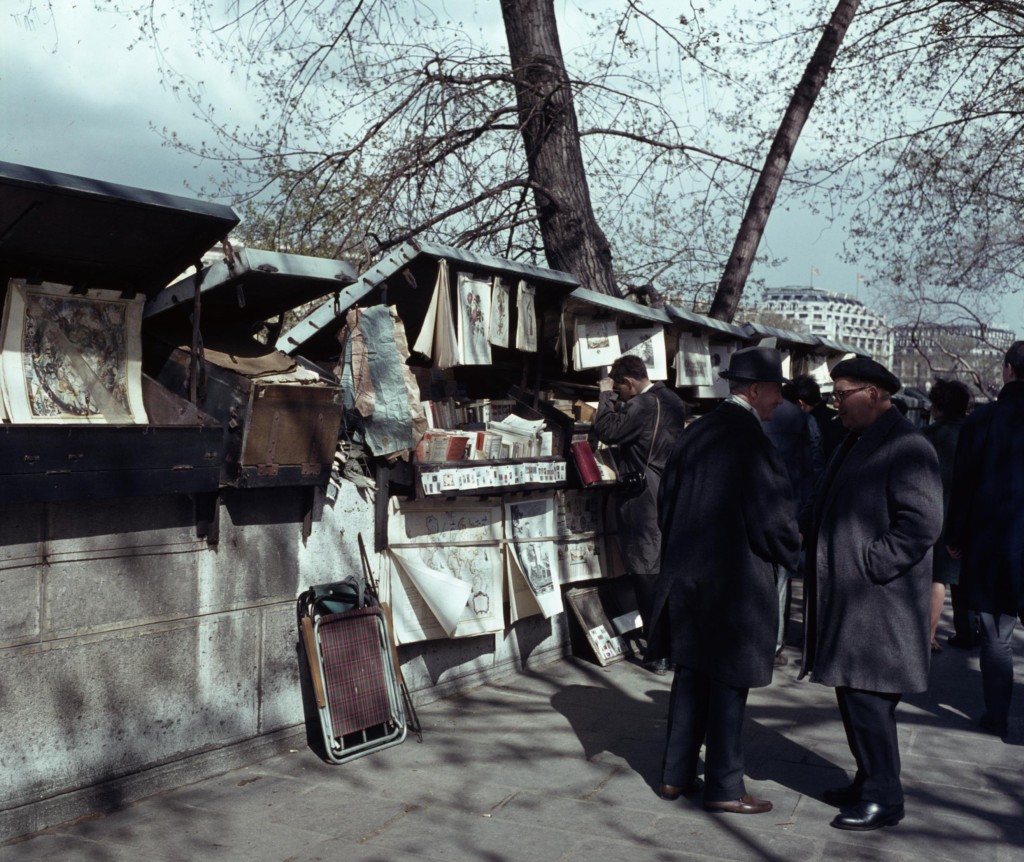
Often hailed as the “City of Light,” Paris has earned its prestigious title as the capital of art through historical significance, diverse artistic communities, world-class institutions, and a vibrant art market.
For centuries, Paris magnetized artists, writers, and intellectuals from around the world with its romantic allure, intellectual fervor, and bohemian spirit. From the bustling streets of Montmartre to the chic cafes of Saint-Germain-des-Prés, the city has provided fertile ground for artistic expression, fostering a dynamic exchange of ideas and innovation.
Paris, cosmopolitan and tolerant, stimulating to adventure and experimentation, has been and until the outbreak of World War II still was the art center of the world, and its influence has penetrated far and wide.
Gardner, H. (2019). Art Through the Ages. 15th ed.
Historical Significance of Paris Art Life
Paris’s historical significance is deeply rooted in its role as a center of power, culture, and innovation throughout the centuries. Since its founding by the Gauls around 250 BC, Paris has witnessed countless pivotal moments in history.
Middle Ages
During the Middle Ages, Paris emerged as a key political and intellectual hub in Europe. The city became the capital of the Kingdom of France in the 10th century and flourished under the rule of the Capetian dynasty. It was during this time that landmarks such as Notre-Dame Cathedral and the Louvre Palace began to take shape, leaving an indelible mark on the city’s skyline.
The Renaissance
The Renaissance brought a renewed interest in art, science, and learning to Paris, as the city became a magnet for scholars, artists, and thinkers from across Europe. The reign of King Francis I in the 16th century marked a golden age of cultural patronage, with the construction of iconic structures like the Château de Chambord and the Fontainebleau Palace, as well as the establishment of the Royal College of Art and Humanities, laying the groundwork for Paris’s reputation as a center of artistic excellence.
Age of Enlightenment
In the 18th century, Paris played a central role in the Age of Enlightenment, as intellectuals and philosophers gathered in salons and cafes to discuss ideas of liberty, reason, and progress. The city’s boulevards and public squares became the stage for revolutionary fervor, culminating in the storming of the Bastille in 1789 and the French Revolution that followed.
19th Century
The 19th century witnessed Paris’s transformation into a modern metropolis, as Baron Haussmann’s urban renewal projects reshaped the cityscape with wide boulevards, grand squares, and iconic landmarks such as the Eiffel Tower. Meanwhile, the Impressionist movement flourished in Paris, as artists like Claude Monet, Édouard Manet, and Edgar Degas captured the vibrant energy of the city on canvas.
20th century
The 20th century brought both triumph and tragedy to Paris, from the glory of the Belle Époque to the devastation of two world wars. Despite the challenges, Paris emerged as a beacon of hope and resilience, as artists, writers, and intellectuals flocked to the city to seek inspiration and refuge.
Paris Art Nowadays
In contemporary Paris, art thrives in a dynamic and diverse ecosystem. From traditional galleries to cutting-edge exhibition spaces, the city offers a myriad of opportunities to engage with contemporary art.
Institutions like the Palais de Tokyo, Fondation Cartier pour l’Art Contemporain, and the Musée d’Art Moderne de la Ville de Paris are pillars of the city’s contemporary art scene. These spaces provide a platform for experimentation and innovation, pushing the boundaries of artistic practice.
Paris’s neighborhoods like Belleville, Ménilmontant, and the Marais are home to a burgeoning community of galleries and artist studios, where emerging talents share their work alongside more established names.
Paris regularly hosts various art fairs and events that attract collectors, curators, and art enthusiasts from around the world. FIAC, Paris Gallery Weekend, and Nuit Blanche are just a few examples of the city’s cultural calendar.
Paris Art Institutions
Paris is renowned for its world-class art institutions, which are crucial in shaping the city’s cultural landscape and showcasing a diverse range of artistic styles and movements. Here are some of the most notable art institutions in Paris.
The Louvre
Arguably the most famous art museum in the world, the Louvre houses an extensive collection of art and artifacts spanning from antiquity to the 19th century. Visitors can marvel at iconic masterpieces such as the Mona Lisa, the Venus de Milo, and the Winged Victory of Samothrace.
Musée d’Orsay
Housed in a stunning Beaux-Arts railway station, the Musée d’Orsay is renowned for its collection of Impressionist and Post-Impressionist masterpieces. Visitors can admire works by artists such as Monet, Renoir, Van Gogh, and Degas, as well as sculpture, decorative arts, and photography from the 19th and early 20th centuries.
Centre Pompidou
A symbol of modern and contemporary art in Paris, the Centre Pompidou is home to the National Museum of Modern Art, which features an extensive collection of 20th and 21st-century art. The museum’s distinctive architecture, characterized by its exposed structural elements and colorful pipes, houses works by artists such as Picasso, Duchamp, and Warhol.
Musée de l’Orangerie
Situated in the Tuileries Gardens, the Musée de l’Orangerie is famous for its collection of Impressionist and Post-Impressionist paintings, including Claude Monet’s famous Water Lilies series. The museum also houses works by artists such as Renoir, Cézanne, Matisse, and Picasso.
Palais de Tokyo
Dedicated to contemporary art, the Palais de Tokyo is one of the largest contemporary art centers in Europe. The museum showcases cutting-edge exhibitions, installations, and performances by both established and emerging artists, as well as hosting workshops, talks, and events that engage with the latest trends in contemporary art.
Fondation Cartier pour l’Art Contemporain
Founded by the luxury goods company Cartier, the Fondation Cartier is dedicated to contemporary art and hosts exhibitions, installations, and events that explore a wide range of artistic practices and themes. The foundation’s glass-walled building, designed by architect Jean Nouvel, provides a striking backdrop for contemporary art experiences.
These institutions, along with many others, contribute to Paris’s status as a global center for art and culture, attracting millions of visitors each year who come to experience the city’s abundant artistic legacy and dynamic modern art community.
Paris has always been a melting pot of cultures, attracting artists, writers, and intellectuals from diverse backgrounds. Immigrant communities from around the world have made Paris their home, bringing with them their languages, traditions, and cuisines.
Neighborhoods like the Marais, Belleville, and Barbès reflect this diversity, each with its own unique cultural identity. Cultural institutions such as the Maison de la Culture du Monde and the Institut du Monde Arabe celebrate and promote diversity through arts and educational programs. From music festivals to art exhibitions, Paris’s arts and entertainment scene reflects its multicultural population, making it a lively and dynamic city where diverse cultures converge and thrive.
Artistic Movements in Paris
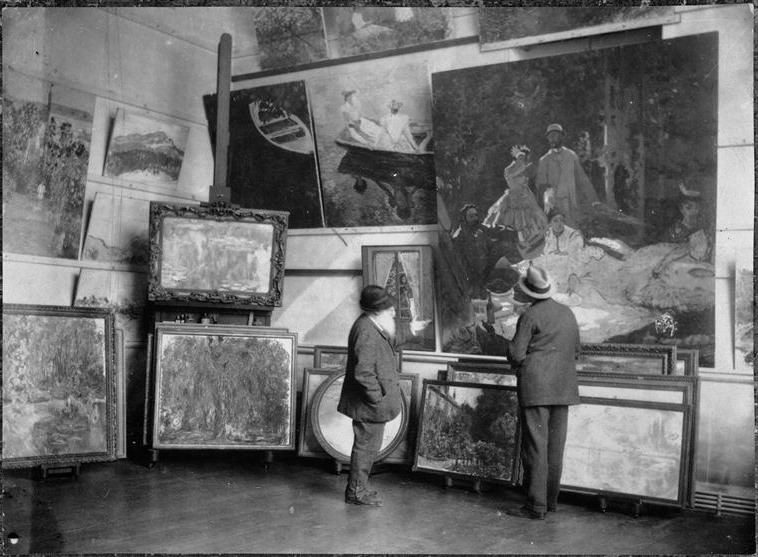
Throughout history, Paris has been at the forefront of numerous artistic movements, serving as a breeding ground for avant-garde ideas and experimentation. Paris has inspired generations of artists to push the boundaries of their craft, from the bohemian atmosphere of Montmartre in the late 19th century to the existentialist cafes of the 20th century.
Impressionism
In the late 19th century, Paris was the epicenter of the Impressionist movement, revolutionizing art with its focus on light and color. Artists like Monet and Renoir flourished, portraying everyday scenes with vibrant brushstrokes and innovative techniques. Bohemian neighborhoods like Montmartre became bustling hubs of creativity, fostering artistic experimentation and camaraderie.
Cubism
In the early 20th century, Paris was a hotbed of artistic innovation, giving rise to movements like Cubism. Led by Picasso and Braque, Cubist artists shattered traditional notions of perspective and representation, depicting subjects from multiple viewpoints simultaneously. The eclectic Montparnasse district emerged as a melting pot of global creativity, nurturing a diverse community of artists, writers, and intellectuals.
Surrealism
In the 1920s, Surrealism emerged in Paris as a radical artistic movement. Led by Breton, Dalí, and Magritte, Surrealist artists sought to explore the depths of the unconscious mind through dreamlike imagery and automatic techniques. Surrealism challenged conventional reality, pushing the boundaries of artistic expression and influencing generations of artists to come.
Post-war Innovation
In the post-war art period, Paris continued to be a crucible of artistic innovation. Movements like Abstract Expressionism and Nouveau Réalisme gained prominence, with artists like Pollock and de Kooning drawn to the city’s bohemian ambiance. French artists like Klein and Tinguely pushed artistic boundaries with their experimental approaches, contributing to Paris’s reputation as a global center for contemporary art.
Artistic Communities in Paris
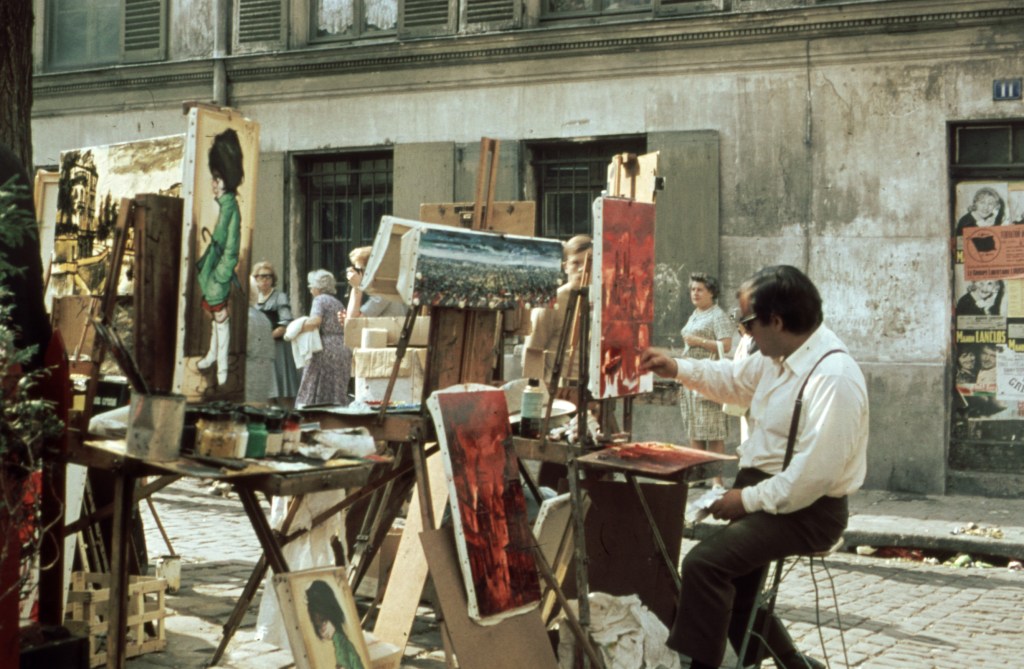
The city’s neighborhoods, such as Montmartre, Saint-Germain-des-Prés, and Le Marais, have long been hubs for artistic communities, providing a supportive environment for artists to live, work, and collaborate.
Montmartre
Historically, Montmartre has been a vibrant artistic community, home to iconic figures like Picasso, Van Gogh, and Toulouse-Lautrec. Today, while the area has evolved, it still retains its bohemian charm and serves as a gathering place for artists, with numerous galleries, studios, and street artists contributing to its creative atmosphere.
Saint-Germain-des-Prés
Saint-Germain-des-Prés, located in Paris’s 6th arrondissement, was a focal point for the existentialist movement in the mid-20th century, with intellectuals like Sartre and de Beauvoir frequenting its cafes. Today, it remains a cultural hotspot, with its historic cafes, galleries, and events like the Saint-Germain-des-Prés Jazz Festival continuing to attract artists and intellectuals from around the world.
Le Marais
Known for its narrow streets, historic architecture, and trendy boutiques, Le Marais has emerged as a cultural hotspot in Paris. The neighborhood is home to numerous galleries, art studios, and exhibition spaces, attracting established and emerging artists. Le Marais also hosts events like the annual Le Marais Contemporary Art Fair, which showcases contemporary art worldwide.
Belleville
Belleville has become a thriving hub for contemporary art in Paris, with its multicultural population and affordable rents attracting a diverse community of artists. The neighborhood is home to numerous galleries, artist studios, and alternative art spaces, as well as street art and graffiti that adorn its walls and public spaces.
La Colonie
This cultural space, located in the 10th arrondissement of Paris, serves as a meeting point for artists, activists, and intellectuals. Founded by artist Kader Attia, La Colonie hosts exhibitions, lectures, screenings, and workshops that explore social and political issues, fostering dialogue and collaboration among diverse communities.
These are just a few examples of the many art communities that thrive in Paris, each contributing to the city’s rich and diverse cultural landscape.
Paris Art Market
Paris is also a major player in the global art market, with prestigious auction houses, galleries, and art fairs attracting collectors and enthusiasts from around the world. As a global center for art and culture, Paris attracts collectors, curators, and art enthusiasts from around the world, making it a hub for buying, selling, and showcasing artwork.
Galleries
Galleries in Paris represent diverse artists and styles, from traditional painting and sculpture to contemporary and avant-garde works. They play a crucial role in promoting and selling artwork to collectors and institutions, both domestically and internationally.
Auction Houses
Auction houses such as Christie’s and Sotheby’s have a significant presence in Paris, hosting regular sales of fine art, antiques, and collectibles. These auctions attract buyers from around the world and often set records for prices achieved by artworks.
Art Fairs
Art fairs are also an integral part of the Paris art market, providing opportunities for galleries to showcase their artists to a wide audience of collectors and enthusiasts. Events like FIAC (Foire Internationale d’Art Contemporain) and Paris Photo attract thousands of visitors each year and contribute to the city’s reputation as a global art destination.
In the heart of Paris beats the pulse of creativity, where every street corner, every museum, and every gallery is a testament to the city’s enduring legacy as a capital of art. As Hemingway aptly described it, Paris is indeed a ‘Moveable Feast,’ an ever-evolving banquet of inspiration and innovation.
 Artenquire