As a melting pot of cultures and religions, India boasts a vibrant art heritage. Indian art includes different forms, styles, and mediums, often reflecting its profound connection to spirituality and symbolism.
Indian Culture
At the heart of Indian culture lies a deep sense of spirituality and philosophical inquiry, with ancient texts like the Vedas, Upanishads, and Bhagavad Gita providing the foundation for Hinduism, Buddhism, Jainism, and other spiritual traditions.
India’s cultural landscape is diverse linguistically and ethnically, with over 1,600 languages spoken across the country and a multitude of regional customs, festivals, and rituals. Each state and region boasts its own distinct cultural identity, from the colorful festivals of Holi and Diwali to the elaborate rituals of Onam and Bihu.
Hospitality and warmth are integral to Indian culture, with guests often treated as embodiments of the divine and offered food, shelter, and respect. Family plays a central role in Indian society, with strong bonds forged between generations and a deep sense of duty towards parents and elders.
Art and craftsmanship are celebrated in India, with a rich tradition of painting, sculpture, music, dance, and literature that has flourished for centuries. A myriad of specialized skills pass down through generations, with artisans often belonging to specific communities dedicated to particular crafts, such as pottery, weaving, or metalwork.
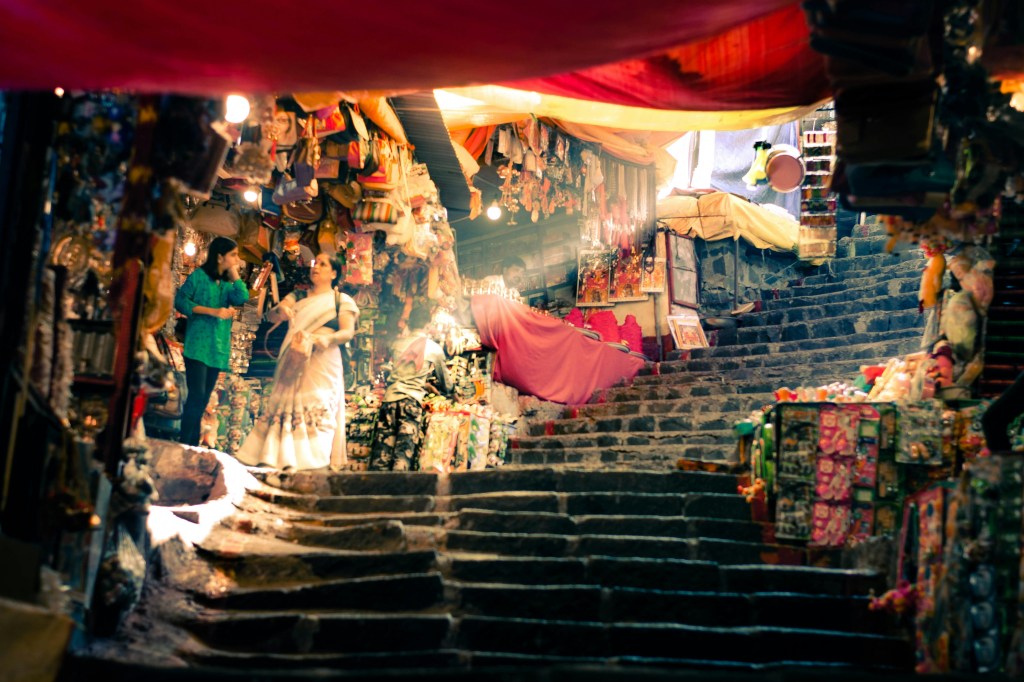
Despite the rapid pace of modernization, Indian culture remains deeply rooted in tradition and continues to evolve in response to contemporary challenges and influences.
The Philosophy of Indian Art
The philosophy of Indian art reflects cultural, spiritual, and philosophical traditions that have flourished in the Indian subcontinent for millennia. At its core lies a deep connection to spirituality and a profound reverence for the divine.
Rasa
Central to Indian aesthetic theory is the concept of rasa, the emotional essence evoked by a work of art. Through depicting various emotional states (bhavas), artists aim to evoke specific rasas such as love, joy, sadness, or wonder, leading to aesthetic enjoyment and spiritual elevation.
Dharma and Karma
Indian art is also deeply influenced by the concepts of dharma (righteous duty) and karma (action and its consequences). Artistic expression is seen as a means to uphold dharma, promote virtuous conduct, and reflect upon the interplay of actions and their repercussions.
Bhakti
Devotion (bhakti) to the divine is a fundamental aspect of Indian spirituality, and it finds expression in various art forms such as music, dance, poetry, and painting. Artists express their devotion through the depiction of gods, goddesses, saints, and religious narratives, aiming to evoke a sense of reverence, love, and surrender to the divine.
Ahimsa and Advaita
The principles of ahimsa (non-violence) and non-duality (advaita) are also reflected in Indian art, emphasizing compassion, harmony, and the interconnectedness of all beings. Artistic expression is seen as a means to transcend dualities and realize the underlying unity of existence.
In essence, the philosophy of Indian art emphasizes the pursuit of aesthetic bliss, moral upliftment, and spiritual realization through artistic expression, weaving together the threads of culture, spirituality, and philosophy into a vibrant tapestry of creative expression.
The Symbolism of Indian Art
Unlike art in cultures, where aesthetics or realism may overweigh, Indian art expresses philosophical ideas, religious beliefs, and spiritual experiences. You can notice it in the intricate symbolism of Indian religious iconography, the abstract representations of deities and cosmic concepts, and the emphasis on meditation and inner contemplation in traditional art forms like yoga, dance, and music.
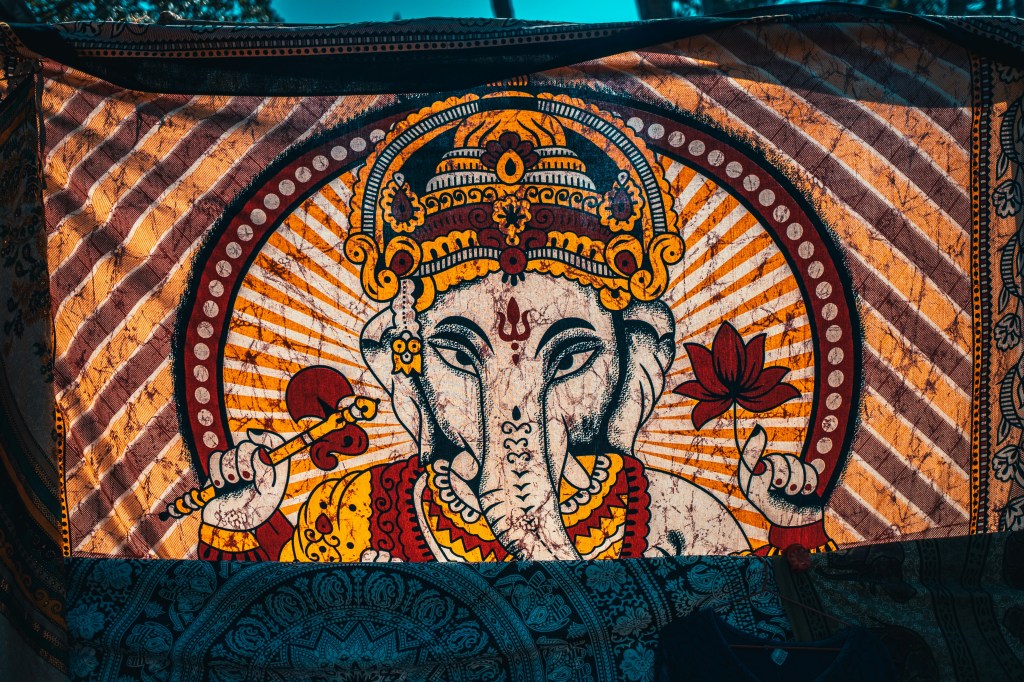
Here are some common symbols found in Indian art and their meanings.
Lotus
The lotus flower holds immense symbolism in Indian art and spirituality. It represents purity, enlightenment, and divine beauty, as it grows from the murky waters but remains untouched by its surroundings. It is often associated with Hindu deities like Lakshmi, Saraswati, and Brahma.
Om (Aum)
The sacred symbol “Om” is considered the primordial sound of the universe in Hinduism, symbolizing the essence of the ultimate reality, Brahman. It is frequently depicted in religious art and is chanted during meditation and prayers.
Swastika
Despite its unfortunate association with Nazism in the Western world, the swastika is an ancient symbol of auspiciousness and good fortune in Indian culture. It is often used in religious ceremonies and decorations, and as a motif in art, representing the cyclic nature of existence and the interconnectedness of all things.
Elephant
Elephants are revered in Indian culture, symbolizing strength, wisdom, and prosperity. In Hinduism, the elephant-headed deity Ganesha is worshipped as the remover of obstacles and the god of beginnings, making elephants a common motif in religious art and architecture.
Peacock
The peacock is a symbol of beauty, grace, and immortality in Indian art. It is associated with various Hindu deities, particularly Kartikeya, the god of war, who is often depicted riding a peacock. Peacock feathers are also used in religious rituals and ceremonies.
Mandala
Mandalas are intricate geometric patterns used in Hinduism and Buddhism as a tool for meditation and spiritual contemplation. They often represent the universe, with concentric circles symbolizing wholeness, unity, and harmony. Mandalas are commonly found in religious art, architecture, and rituals.
Yantra
Yantras are mystical diagrams used in Hinduism for meditation and worship. They are composed of geometric shapes, symbols, and Sanskrit letters arranged in a specific pattern to invoke spiritual energies and divine blessings. Yantras are believed to represent the cosmos and the inner workings of the human psyche.
Indian Art History
Ancient Period (c. 3000 BCE – 1200 CE)
The Indus Valley Civilization which flourished around 3300–1300 BCE is known for its urban planning, seals, and sculptures. This period also saw the rise of Buddhist and Jain art, as seen in the Ajanta and Ellora caves, and Hindu temple architecture, exemplified by structures like the temples of Khajuraho.
Medieval Period (c. 1200 – 1750 CE)
During this period, Islamic art and architecture prospered under various dynasties such as the Delhi Sultanate and the Mughal Empire. Notable examples include the Qutub Minar, Fatehpur Sikri, and the Taj Mahal. This period also saw the development of regional styles in painting, sculpture, and textiles.
Colonial Period (c. 1750 – 1947 CE)
During the Colonial Period Indian art fell under the influence of European colonialism and the British, Dutch, and Portuguese art forms. Indian artists adopted Western techniques while retaining traditional themes, leading to the emergence of the Bengal School of Art and the beginning of modern Indian art.
Modern and Contemporary Period (c. 1947 CE – present)
After India gained independence in 1947, there was a resurgence of interest in indigenous art forms and a growing engagement with international art movements. Modern Indian artists like MF Husain, Tyeb Mehta, and SH Raza gained prominence, while contemporary artists continue to explore diverse themes and mediums, reflecting India’s rapidly changing social, political, and cultural landscape.
Indian Art Forms
Indian art forms provide portals into the cultural heritage of India, where every brushstroke, every step, and every note tells a story as old as time itself.
Classical Dance
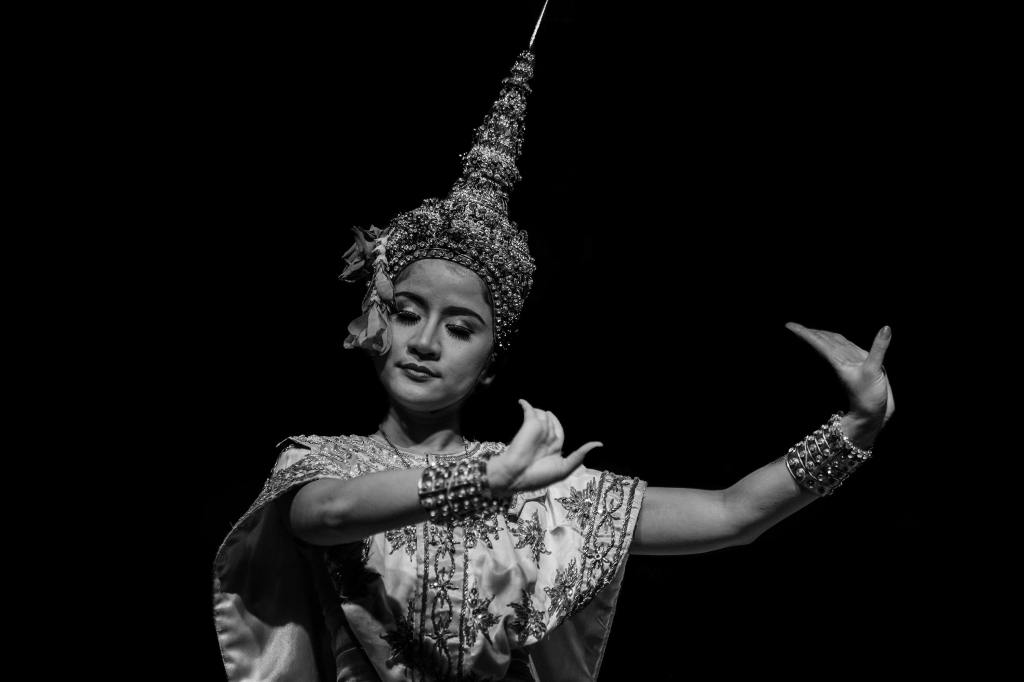
India is home to several classical dance forms, each originating from different regions and traditions. Some of the most prominent ones include Bharatanatyam (Tamil Nadu), Kathak (North India), Kathakali (Kerala), Odissi (Odisha), Kuchipudi (Andhra Pradesh), and Manipuri (Manipur). These dances are deeply rooted in mythology, religion, and classical literature, characterized by intricate footwork, gestures (mudras), facial expressions, and elaborate costumes.
Classical Music
Indian classical music is one of the oldest musical traditions in the world, with two main branches: Hindustani (North Indian) and Carnatic (South Indian). Hindustani music involves much improvisation and is influenced by Persian and Islamic musical traditions. Carnatic music is more structured and has a strong emphasis on melody and rhythm. Both traditions feature ragas (melodic frameworks) and talas (rhythmic cycles) and are often accompanied by instruments such as the sitar, tabla, veena, flute, and mridangam.
Indian Painting
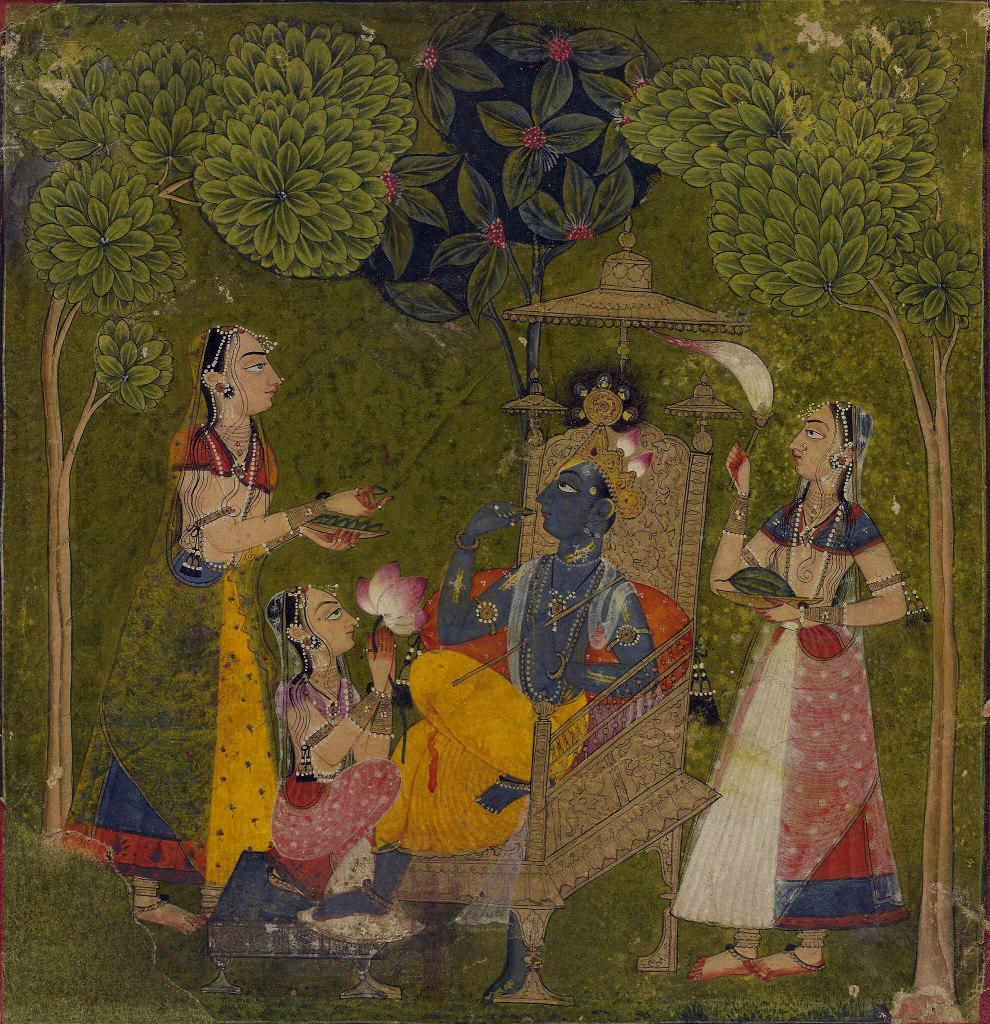
Indian painting has a long and diverse history, with various regional styles and schools of art. Some of the notable painting traditions include Madhubani (Bihar), Tanjore (Tamil Nadu), Mughal miniature (North India), Rajput (Rajasthan), Pattachitra (Odisha and West Bengal), and Warli (Maharashtra). These paintings often depict religious themes, historical events, nature, and everyday life, and are created using natural dyes, vegetable colors, gold leaf, or ink.
Indian Sculpture
Indian sculpture has been a prominent art form for thousands of years. Sculptures often depict gods, goddesses, mythological figures, and celestial beings. They can be found in various materials such as stone, bronze, wood, and terracotta. The art of sculpture is closely linked to architecture, with sculptures adorning temple facades, pillars, and doorways.
Indian Architecture
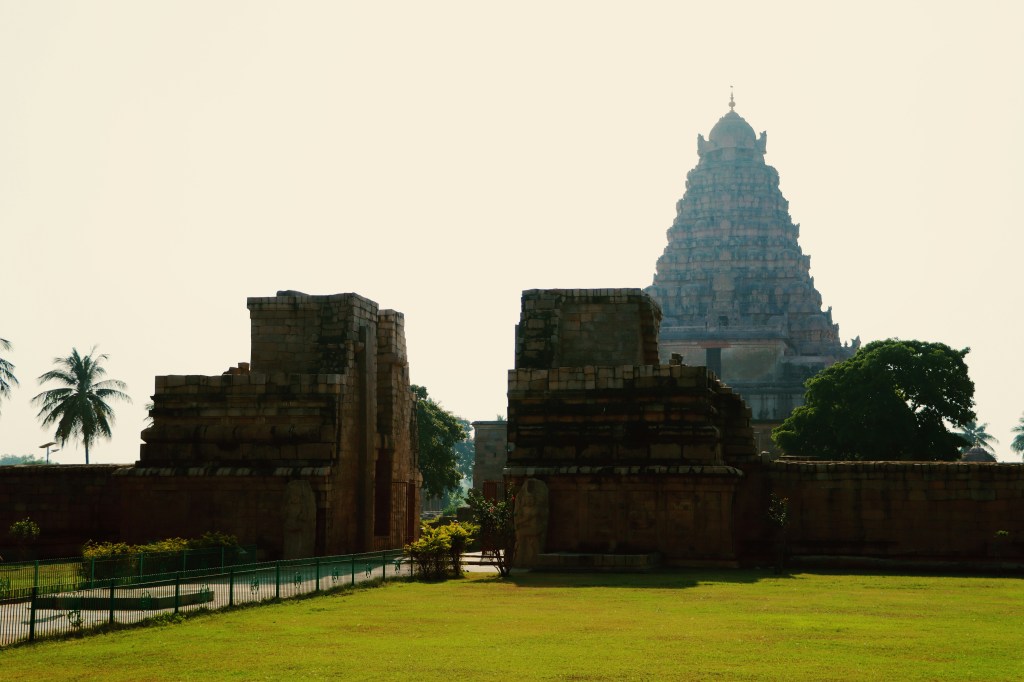
Indian architecture often incorporates intricate carvings, delicate filigree work, and vibrant paintings, showcasing the craftsmanship of skilled artisans. Temples are designed as cosmic diagrams, with elaborate mandalas adorning their facades. Forts and palaces feature intricate jali screens and elaborate courtyards. Additionally, Indian architecture often integrates the principles of Vastu Shastra and feng shui. Those create harmonious living spaces that are in tune with the natural elements and cosmic energies.
Textiles and Handicrafts
India is renowned for its rich tradition of textile weaving, embroidery, and handicrafts. Each region boasts its unique textile techniques and designs, from the intricate silk sarees of Varanasi to the vibrant ikat weaves of Telangana. Handicrafts such as pottery, metalwork, woodwork, jewelry, and glassware also play a significant role in Indian art and craftsmanship, with artisans preserving traditional techniques passed down through generations.
The Influence of Indian Art
Indian art’s influence is evident in the works of Western artists like Gustav Klimt and Henri Matisse, who were inspired by Indian textile patterns and bold colors. Contemporary artists such as Anish Kapoor and Raqib Shaw continue to draw from Indian artistic traditions, infusing their work with a modern sensibility while honoring the timeless legacy of Indian art. Resonating across cultures and generations, Indian artistic motifs and techniques continue to captivate and inspire creators around the world.
 Artenquire