
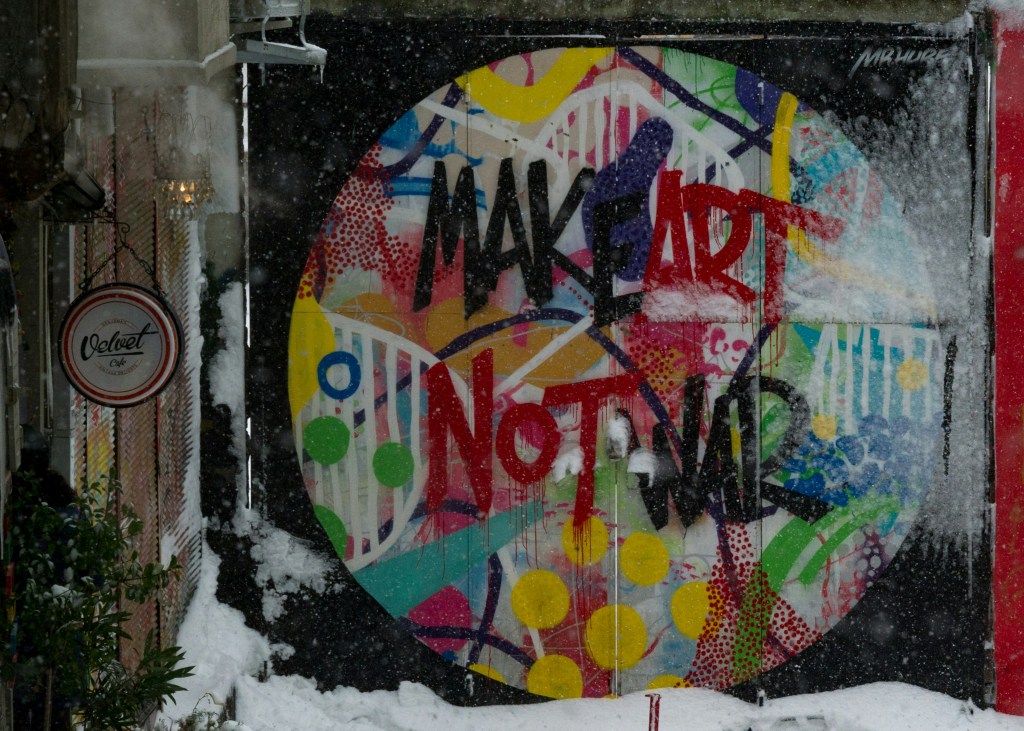
Post-war art in Europe and the United States saw profound shifts in style, ideology, and media as artists responded to the aftermath of World War II and the changing socio-political landscape.
Post-war art reflects the trauma and upheaval of the period, as well as the resilience and hope for a better future. It is a testament to the human spirit’s ability to create beauty out of chaos.
“Three Artists (Three Women): Modernism and the Art of Hesse, Krasner, and O’Keeffe” by Anne Middleton Wagner, 1996
Post-War Culture
The post-war period, lasting roughly from the end of World War II in 1945 to the early 1990s, was marked by both optimism and anxiety. Significant cultural changes spread across the globe, reflecting the era’s social, political, and technological developments. These changes shaped individual societies and also had a global impact, contributing to the cultural landscape of the era.
The post-war years saw the rise of a distinct youth culture and its rebellion against traditional norms and values. Young people embraced new forms of music (rock ‘n’ roll, jazz), fashion (jeans, leather jackets), and lifestyles (freedom, individualism), challenging authority and seeking self-expression. The proliferation of mass media, including television, radio, and cinema, played a central role in shaping post-war culture. Popular films, television shows, and music spread rapidly, influencing fashion, language, and societal norms on a global scale. On top of that, the post-war period saw the emergence of a consumer culture, fueled by economic prosperity and mass production. Advertising, marketing, and branding became pervasive, partially thanks to the rapid technological advancements, including the development of television, computers, and the Internet. These technologies revolutionized communication, entertainment, and social interaction. All of these factors consistently reshaped cultural norms and behaviors.

The post-war era was some kind of post-shock when the realization broke in. The complexities of the time and the dread of war that was finally over converted into diverse artistic and intellectual movements. The post-war artists and thinkers explored new ideas, aesthetics, and ways of understanding the world.
Post-War Art Movements in Europe
Post-war European art reflected a desire to break with the past, explore new forms of expression, and engage with the pressing social and political issues of the time. The post-war art movements contributed to the heritage of post-war European culture and continue to influence contemporary artistic practices.
Art Informel/Tachisme
This movement emerged in France in the late 1940s and early 1950s as a response to the trauma of war. Also known as Art Informel or Tachisme, artists within this movement rejected representational imagery in favor of spontaneous, gestural abstraction. Artists like Jean Dubuffet, Pierre Soulages, and Hans Hartung explored the use of non-traditional materials and techniques to express emotion and the subconscious.
Cobra Group
Formed in 1948 by artists from Copenhagen, Brussels, and Amsterdam, the Cobra Group (CoBrA) embraced a radical, experimental approach to art-making. Drawing inspiration from primitive art, children’s drawings, and the unconscious, Cobra artists like Asger Jorn, Karel Appel, and Pierre Alechinsky emphasized spontaneity, raw expression, and the liberation of the creative impulse.
Nouveau Réalisme
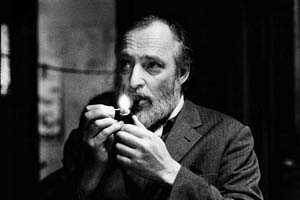
Founded in 1960 by French artist Pierre Restany, Nouveau Réalisme (New Realism) sought to bridge art and life by incorporating everyday objects and materials into art-making. Artists like Yves Klein, Arman, and Jean Tinguely explored themes of consumerism, mass production, and the spectacle of contemporary society, often employing assemblage, collage, and performance in their work.
Situationism
Influenced by Marxist and avant-garde theories, the Situationist International (SI) was an artistic and political movement that emerged in Europe in the late 1950s and early 1960s. Led by Guy Debord, the Situationists critiqued consumer society and the alienation of modern life, advocating for the creation of situations that would disrupt the status quo and provoke social change.
Conceptual Art
In the late 1960s and 1970s, conceptual art gained prominence in Europe, challenging traditional notions of art-making and emphasizing ideas over material objects. Artists like Joseph Kosuth, Sol LeWitt, and Marcel Broodthaers explored themes of language, perception, and the nature of art itself, often employing text, photography, and performance as primary media.
Arte Povera
Emerging in Italy in the late 1960s, Arte Povera (“Poor Art”) challenged conventional artistic practices and embraced humble materials and everyday objects. Artists such as Michelangelo Pistoletto, Alighiero Boetti, Mario Merz, Jannis Kounellis, and Giuseppe Penone employed natural materials like dirt, rocks, wood, and found objects to create art that was raw, immediate, and conceptually rich. Arte Povera sought to break down the barriers between art and life, exploring themes of time, space, and identity through site-specific installations, performances, and interventions.
Fluxus
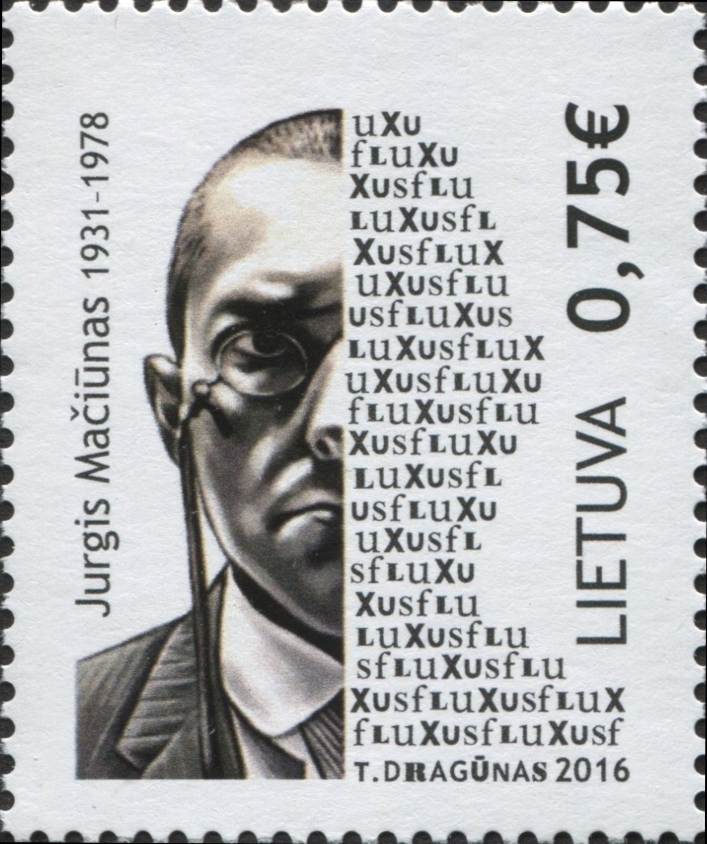
Fluxus was an international, interdisciplinary movement that emerged in the 1960s, with significant contributions from European artists such as George Maciunas, Nam June Paik, and Joseph Beuys. It rejected traditional art forms and embraced experimentation, collaboration, and audience participation. Fluxus events, known as “Happenings,” often involved performance, music, poetry, and visual art, blurring the boundaries between different artistic media and challenging conventional notions of art and its presentation.
Neo-Expressionism
Neo-expressionism emerged in Europe in the late 1970s and early 1980s as a reaction against the conceptual art movement. Artists like Jean-Michel Basquiat, Julian Schnabel, and Anselm Kiefer embraced figurative and expressive forms, often incorporating bold colors, gestural brushwork, and symbolic imagery. Neo-expressionist artworks often explored themes of identity, politics, and history, drawing on a range of cultural and artistic influences.
Postmodernism
Postmodernism is a broad post-war cultural and artistic movement that emerged in the late 20th century, characterized by a rejection of modernist principles and an embrace of diversity, irony, and pastiche. In Europe, postmodernism influenced various artistic disciplines, including architecture, literature, and visual arts. Postmodernist artists often incorporated elements of popular culture, past styles, and diverse cultural references into their work, challenging traditional notions of authorship, originality, and artistic value.
Post-War Art Movements in America
After World War II, American art changed dramatically, with New York becoming the new center of the art world. Artists explored bold ideas through movements like Abstract Expressionism, Pop Art, and Minimalism, breaking traditions and redefining creativity.
Abstract Expressionism
Abstract Expressionism emerged in New York City in the 1940s and 1950s, becoming the first major American art movement to gain international prominence. Artists like Jackson Pollock, Willem de Kooning, and Mark Rothko pioneered this movement, which emphasized spontaneous, gestural, and non-representational forms of painting.
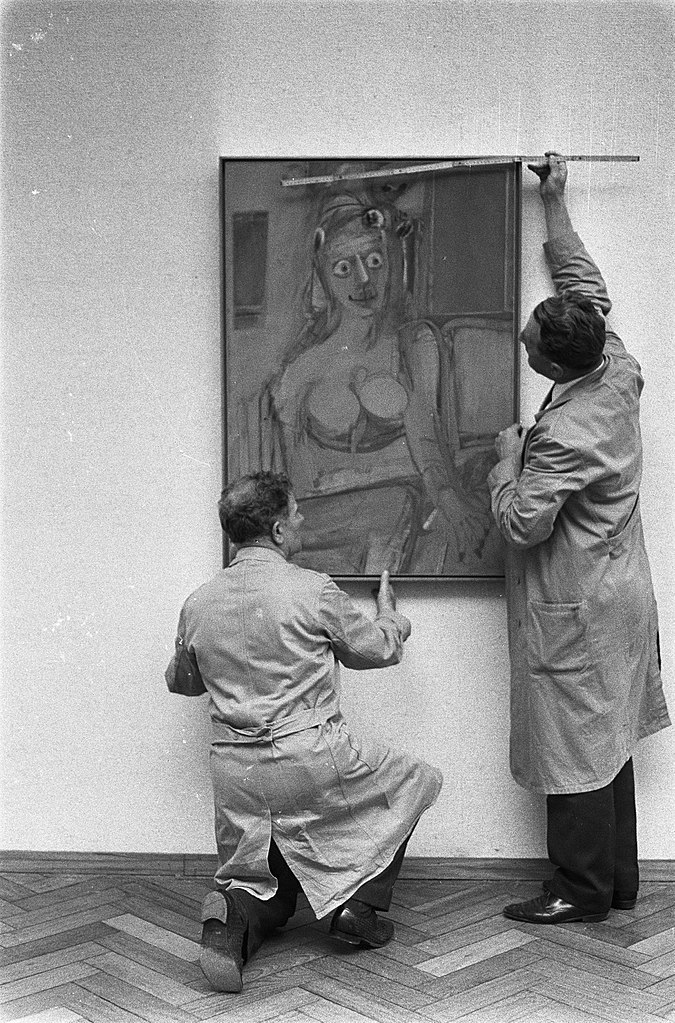
Abstract Expressionist artworks often conveyed powerful emotional and psychological states, with artists exploring themes of identity, trauma, and the human condition.
Pop Art
Pop Art originated in Britain before spreading to the United States in the 1950s and 1960s. Artists such as Andy Warhol, Roy Lichtenstein, and Claes Oldenburg embraced popular culture and consumerism, incorporating imagery from advertising, comic books, and everyday objects into their work. Pop Art challenged traditional notions of fine art by elevating mundane objects and images to the status of high art, blurring the boundaries between mass culture and artistic expression.
Minimalism
Minimalism emerged in the United States in the 1960s and had a significant impact on American art. Artists like Donald Judd, Carl Andre, and Sol LeWitt sought to strip away all non-essential elements from their work, focusing on simple geometric forms, industrial materials, and the viewer’s experience of space. Minimalist artworks often consisted of repeated shapes, monochromatic colors, and precise arrangements, inviting contemplation and challenging traditional notions of artistic expression.
Conceptual Art
Conceptual Art emerged in the late 1960s and early 1970s in the United States as a reaction against the commodification of art and the dominance of formalist approaches. At the same time, this movement had roots in earlier movements and ideas in Europe as well. Artists like Sol LeWitt, Joseph Kosuth, and Yoko Ono emphasized the idea or concept behind the artwork rather than the aesthetic or material form. This post-war art movement challenged traditional notions of art objects and their value, often taking the form of texts, instructions, or performances that questioned the nature of art and its relationship to language, perception, and reality.
Graffiti and Street Art
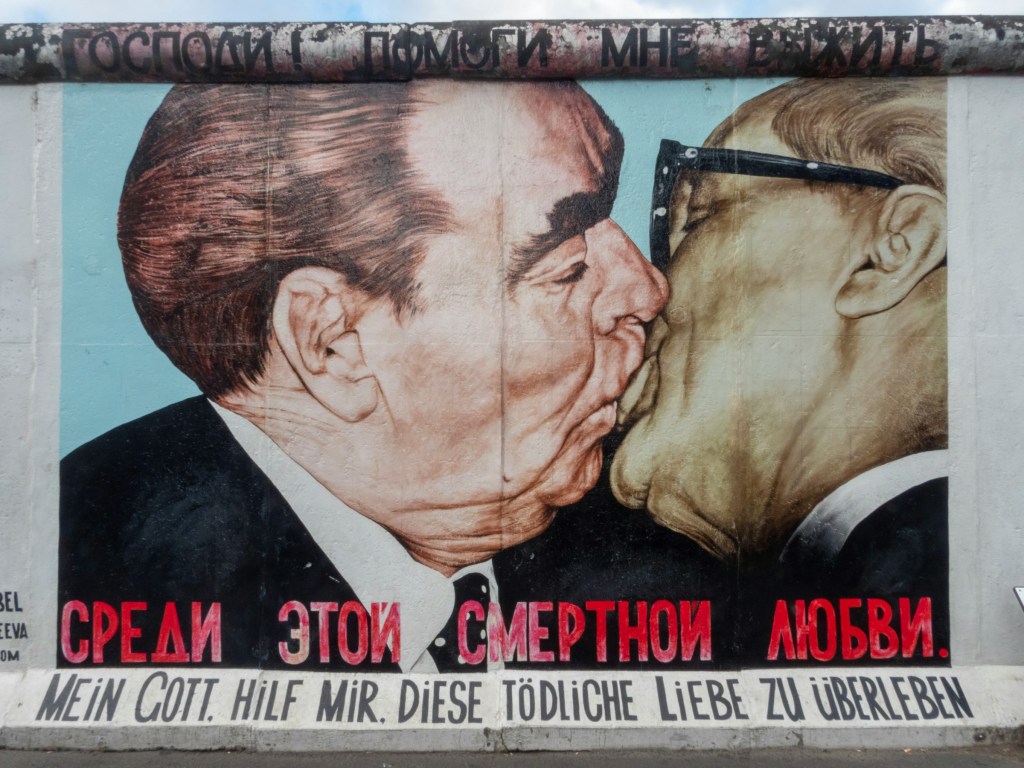
Graffiti and street art emerged in urban areas of the United States in the late 20th century, becoming a global phenomenon with significant contributions from American artists. Figures like Keith Haring, Jean-Michel Basquiat, and Banksy used public spaces as their canvas, addressing social and political issues while challenging conventional ideas of art and its presentation. Graffiti and street art often involve techniques such as spray painting, stenciling, and wheat pasting, and they encompass a wide range of styles and approaches, from politically charged murals to playful interventions in the urban landscape.
The Berlin Wall Murals, particularly the East Side Gallery, emerged as powerful symbols of resistance and unity during the Cold War era. Painted by artists from around the world, these murals adorned the concrete barrier, transforming it into an expression of hope and defiance against oppression. Today, the remaining sections of the Berlin Wall, including the East Side Gallery, stand as poignant reminders of the city’s tumultuous history and the enduring power of art to inspire change.
Post-War Art and Art Nowadays
Post-war art movements contributed hugely to the art history timeline. The movements continue to evolve and adapt to the complexities of the modern world, pushing boundaries and provoking thought while remaining deeply rooted in the cultural and historical context of our time. Artists continue to explore identity, globalization, environmental concerns, and the impact of technology on society.
One significant trend is the emphasis on interdisciplinary approaches. Artists merge different forms of art, such as painting, sculpture, performance, and digital media, to create immersive experiences. This interdisciplinary nature gives space for greater experimentation and innovation within the art world.
The globalization of the art world has led to increased cross-cultural exchange and collaboration among artists from different backgrounds and regions. This has resulted in various artistic influences and perspectives, challenging traditional notions of artistic identity and authenticity.
 Artenquire