
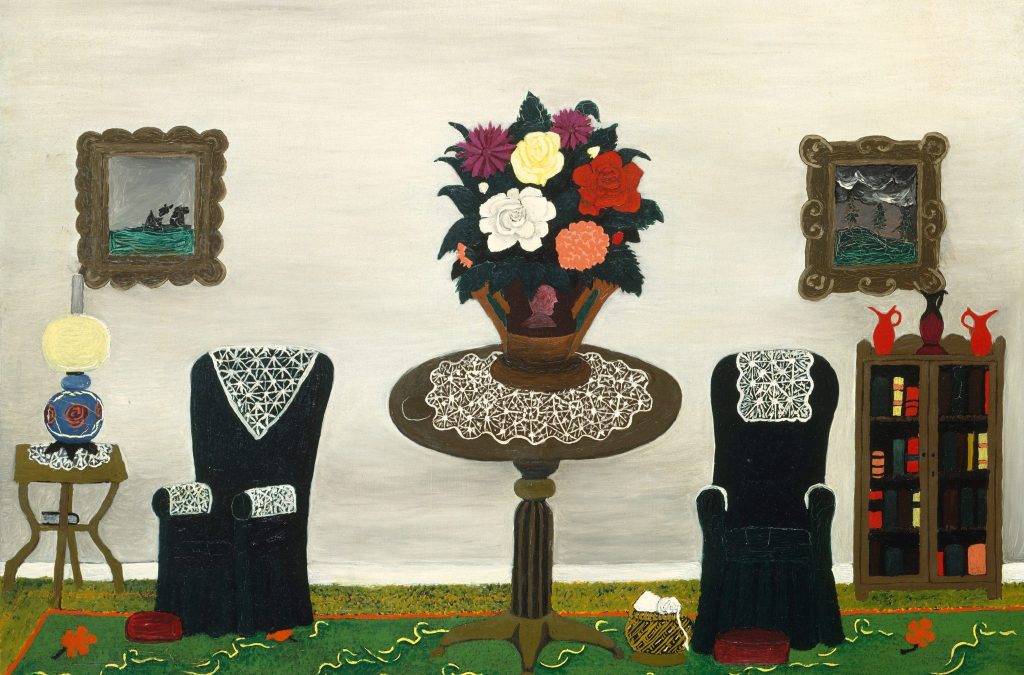
Aesthetics is the branch of philosophy dealing with the nature and appreciation of beauty, art, and taste. It defines the questions like: What is beauty? What makes something art? How do we perceive and judge artistic creations?
Aesthetics is a broad field with various perspectives and theories on the nature of art, the artist’s role, the relationship between art and society, and the criteria for evaluating artistic works. Aesthetics extends beyond art and includes the study of beauty in nature, design, and everyday experiences.
The Roots of Aesthetics
In the 18th century, the German philosopher Alexander Baumgarten coined the term “aesthetics” to refer to the study of sensory perception and the appreciation of beauty. His work laid the foundation for modern aesthetics as a distinct philosophical discipline. Yet, the concept of aesthetics traces back to ancient Greece.
In Greek philosophy, particularly in the works of Plato and Aristotle, there were discussions about beauty and the nature of art. Plato, in his dialogues such as “Symposium” and “Phaedrus,” explored the idea of beauty as an ideal form that exists beyond the physical world, accessible only through the intellect. He also discussed the role of art in representing these ideal forms.
Aristotle, Plato’s student, took a more empirical approach to aesthetics. In “Poetics,” he analyzed the concept of catharsis—the purging of emotions through art. Aristotle’s ideas laid the groundwork for later discussions on the nature of art and its effects on human emotions and intellect.
The Renaissance revived interest in Greek philosophy and aesthetics. Artists and scholars such as Leonardo da Vinci and Leon Battista Alberti explored concepts of beauty, proportion, and harmony in art and architecture, drawing inspiration from classical Greek and Roman ideals.
Philosophical Theories Around Aesthetics
The philosophy of aesthetics refers to the nature, perception, and appreciation of beauty, art, and taste. It seeks to understand the underlying principles and concepts behind our judgments of what is beautiful or artistic. There are several philosophical theories defining those principles from different perspectives.
Formalism
According to this theory, the aesthetic value of art lies in its formal properties rather than in any representational or emotional content. It emphasizes composition, color, line, and shape. Formalism suggests that art should be appreciated for its own sake, focusing on its aesthetic qualities rather than its meaning or context.
Expressionism
Unlike formalism, expressionism focuses on the emotional expression of the artist. It claims that the aesthetic value of an artwork is determined by the depth and sincerity of the artist’s expression. Expressionist artworks are characterized by bold emotion and subjective interpretation.
Mimetic Theory
Dating back to ancient Greece, this theory posits that art imitates or represents reality. According to this view, the aesthetic value of an artwork depends on its ability to portray the natural world or to capture essential truths about human experience.
Institutional Theory
This theory defines art and its value as shaped by cultural norms, historical precedents, and power dynamics within the art world. Institutional theorists believe that the status of an object as art is conferred by institutions such as museums, galleries, and art critics, rather than by its intrinsic qualities.
Aesthetic Experience Theory
Aesthetic experience theories focus on the subjective experience of beauty and pleasure. They emphasize the role of the viewer or audience in creating meaning and value in art. Aesthetic experience is considered a deeply personal and transformative encounter with an artwork, involving emotional, intellectual, and sensory engagement.
Postmodernism
Postmodernist theories of aesthetics challenge traditional notions of art and beauty. They reject the objective beauty standards and emphasize the diversity of aesthetic experiences and interpretations. Postmodernist artworks often incorporate irony, parody, and pastiche, reflecting a skepticism toward grand narratives and authority.
Aesthetics and Culture
Aesthetics and culture share a deep and intricate relationship. Culture influences and is influenced by aesthetics, which concerns the nature and appreciation of beauty and artistic expression.
Aesthetics and culture intersect through the shaping of aesthetic standards and preferences. Different cultures have distinct ideas of beautiful or aesthetically pleasing, often influenced by historical, geographical, religious, and social factors. For example, the traditional Japanese aesthetic of “wabi-sabi” values imperfection, transience, and simplicity, while Western cultures may prioritize symmetry, clarity, and grandeur in their aesthetic ideals.
Moreover, culture is crucial in art production, consumption, and interpretation. Artistic expressions often reflect and respond to the cultural contexts in which they emerge, addressing themes, issues, and symbols relevant to a particular culture or community. Artists draw inspiration from their cultural heritage, traditions, and experiences, infusing their works with cultural motifs, narratives, and symbolism.
Conversely, art and aesthetics also shape culture by influencing social norms, identities, and collective values. Art can foster a sense of belonging, stimulate cultural dialogue, and promote understanding across diverse communities. The exchange of aesthetic ideas and influences enriches our understanding of beauty, identity, and creativity.
Ethics and Aesthetics
Though distinct fields of inquiry, ethics and aesthetics often intersect in discussions about the moral dimensions of art, beauty, and cultural expression. Ethics concerns principles of right and wrong behavior, moral virtues, and the consequences of actions. Aesthetics explores the nature and appreciation of beauty, art, and taste. Despite their differences, ethics and aesthetics share common ground in addressing value, meaning, and human experience.
One area of intersection between ethics and aesthetics is the moral responsibility of artists and creators. Artists can shape perceptions, influence attitudes, and provoke emotions through their work. Their creative freedom can violate ethical boundaries by representing sensitive or controversial subjects. Thus, ethical considerations arise regarding artistic content, intent, and impact.
Similarly, ethics concerns the consumption and reception of art. Audiences and critics are often confronted with works that challenge conventional moral standards, raise ethical dilemmas, or depict scenes of violence, suffering, or injustice. Individuals may wrestle with questions about the ethical implications of enjoying or supporting art that conflicts with their values or beliefs, leading to debates about censorship, cultural sensitivity, and the moral responsibilities of art institutions.
Aesthetics can inform ethical deliberations by shaping perceptions of beauty, goodness, and human flourishing. The aesthetic qualities of an object, experience, or action can influence judgments about its moral worth or significance. For example, an artwork that evokes empathy, inspires compassion, or promotes social justice may be regarded as morally valuable because of its aesthetic impact.
Aesthetics in Artistic Experience
Appreciating and understanding beauty, form, and expression within artworks involves more than just noticing what is seen or heard; it encompasses the emotional and intellectual responses that art evokes. Aesthetics shapes how we engage with art, influencing our judgments, preferences, and interpretations, and inviting reflection on qualities such as harmony, proportion, balance, and symbolism that give an artwork its distinctive impact. This engagement is enriched by understanding the role of the artist and their creative process, including the motivations, inspirations, and techniques behind each work. Considering the artist’s perspective, the influence of personal experience, and the interplay of intuition, imagination, and skill deepens our comprehension of an artwork’s meaning and significance.
Equally important is analyzing the formal qualities and compositional elements, exploring how elements like rhythm, contrast, and symmetry work together to produce an overall aesthetic effect.
Finally, the emotional and intellectual impact of art is central: it can evoke strong feelings, provoke thought, challenge assumptions, and inspire growth. Following Aristotle’s concept of catharsis, art can facilitate a transformative experience, releasing emotions and fostering empathy and self-reflection, so that the encounter with a work becomes both sensorially and psychologically enriching.
Aesthetics in Contemporary Society
In contemporary society, aesthetics permeates various aspects of life, from technology to design, architecture, and consumer culture. The influence of technology on aesthetics is evident in digital art, virtual reality experiences, and interactive installations that challenge traditional artistic boundaries. Furthermore, aesthetics plays a central role in consumer culture, where brands and marketers strategically employ aesthetic strategies to shape perceptions and influence purchasing behavior.
Aesthetics and Consumer Culture
Brands and marketers use aesthetic strategies to establish brand identities, evoke emotions, and differentiate products in competitive markets. From packaging design and advertising campaigns to retail environments and digital interfaces, aesthetics are strategically employed to captivate consumers’ attention, convey brand messages, and enhance product desirability. However, this raises questions about the commodification of art and beauty, the ethics of aesthetic persuasion, and the impact of consumer culture on societal values and perceptions of self-worth.
Aesthetics Throughout History
While the specific manifestations and interpretations of aesthetic principles have evolved, the key underlying principles of aesthetics have remained relatively consistent. Concepts of beauty, harmony, balance, proportion, and expression have been central to aesthetic discourse throughout history.
The Nautilus Pompilius and the Golden Ratio
The Nautilus pompilius is frequently linked to the golden ratio and the Fibonacci sequence—concepts that bridge mathematics, aesthetics, and natural patterns.
The golden ratio (approximately 1.618) is a mathematical constant long admired by mathematicians, artists, and architects for its perceived visual harmony. It often appears in natural structures and is considered a hallmark of mathematical beauty. The spiral of the Nautilus shell is commonly referenced as a natural example of a logarithmic spiral—a form that expands outward while maintaining a consistent angle from its center.

In this light, the shell’s structure resembles the Fibonacci sequence, where each chamber is proportionally larger than the last. This progression mirrors the growth patterns described by Fibonacci numbers, resulting in a spiral symbolizing organic and balanced expansion.
This interplay between natural form, geometry, and visual appeal exemplifies how nature often reflects mathematical order. Artists and designers frequently draw on these principles, like the golden ratio and logarithmic spirals, to create compositions that feel intuitively harmonious and aesthetically satisfying.
What Is the Point of Aesthetics?
Aesthetics enriches our experiences, adding beauty, meaning, and depth to the world. It helps us understand and appreciate different cultures, histories, and perspectives through the study of art, literature, and other aesthetic forms. It fosters us to question, analyze, and interpret the world around us in new and meaningful ways. This way, we cultivate a deeper understanding of ourselves, others, and the complexities of human existence.
 Artenquire
One response to “What Is Aesthetics? The Roots and Philosophy”
Thanks for sharing this. It’s really informative.
LikeLike