
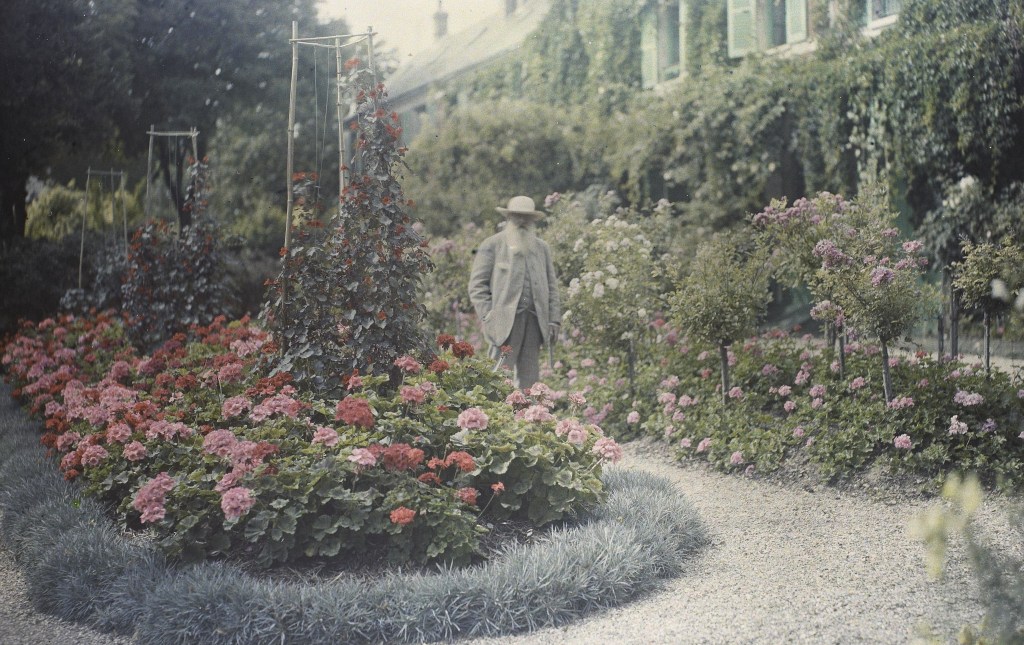
“I perhaps owe having become a painter to flowers.”
Claude Monet
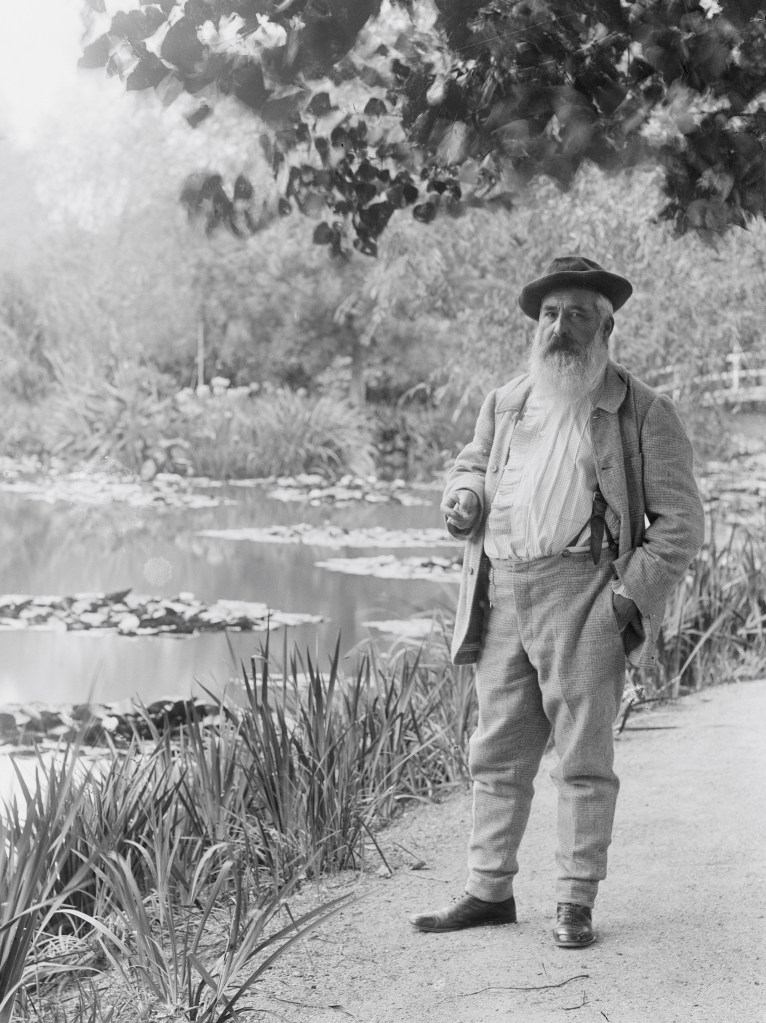
Claude Oscar Monet, an outstanding Impressionist, had a deep affection for flowers. For him, flowers symbolized the serene beauty of nature. Their vivid colors and delicate shapes inspired him, provided comfort and inspiration as he tended to his gardens and painted their likeness.
Claude Monet’s journey began in the bustling streets of Paris on November 14, 1840. From the outset, he was captivated by the world around him, finding solace and inspiration in the beauty of nature. Despite his parents’ hopes for a more traditional path, young Claude’s heart belonged to art.

His early years were marked by a thirst for knowledge and expression, leading him to formal training at the Académie Suisse. Under the guidance of landscape painter Eugène Boudin, Monet discovered the joy of plein-air painting.
As Monet’s passion for art blossomed, so did his desire to break free from the constraints of tradition. Alongside fellow artists like Renoir and Degas, he forged a new path, embracing the fleeting impressions of modern life. Their movement, aka Impressionism, would forever change the course of art history.
In 1874, Monet made waves with Impression, Sunrise, a painting that gave the name to the Impressionist movement in a single stroke. With its vibrant colors and loose brushwork, it rebelled against the status quo—a declaration that art could be as dynamic and ever-changing as life itself.

Throughout his career, Monet pursued light and color. He painted the same scenes repeatedly, each time capturing a new facet of their beauty. His work celebrated the world in all its diversity.
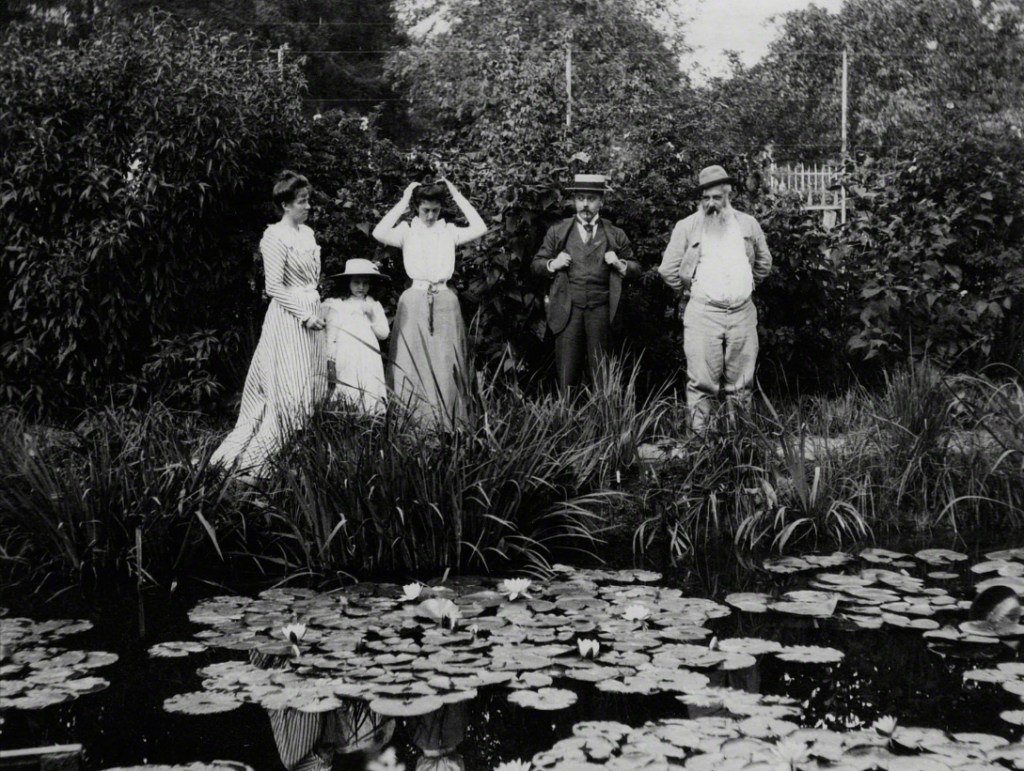
In 1883, Monet found his sanctuary in Giverny, a quaint village nestled in the French countryside. There, amidst the tranquil beauty of his garden, he found inspiration for some of his most beloved works. The water garden, with its graceful bridge and delicate lilies, became a symbol of Monet’s enduring creativity.
Claude Monet was a pioneer, a visionary who dared to see the world through new eyes. His influence can still be felt today, in the work of artists who strive to capture the essence of life in all its complexity.
The deep connection to nature shaped Claude Monet’s artistic journey. He found wonder in the natural world from an early age. Over time, his love for painting blossomed. He found mentors who shared his passion, guiding him on a path that would lead to the very heart of the art world.
Claude Monet was influenced by the work of those who came before him. One significant impact on his early style was the Realist and Barbizon schools of painting, which emphasized a direct observation of nature and a focus on rural landscapes. Artists such as Jean-Baptiste-Camille Corot and Gustave Courbet were key figures in these movements, and their emphasis on capturing the natural world in a truthful and unadorned manner likely resonated with Monet’s love for nature.
Another important influence on Monet’s artistic development was his mentor, Eugène Boudin. Boudin, a landscape painter known for his seascapes and beach scenes, encouraged Monet to paint outdoors and to capture the fleeting effects of light and atmosphere. Under Boudin’s guidance, Monet learned the importance of plein-air painting and began to develop the loose, spontaneous brushwork that would become a hallmark of his style.
Claude Monet was also a trailblazer in his own right. Through his innovative use of color, light, and brushwork, he created a body of work that continues to captivate audiences worldwide.
Monet’s Garden in Giverny
In 1883, Claude Monet made a pivotal decision that would profoundly shape his life and art—he moved to the idyllic village of Giverny in the Normandy region of France. This move was a new chapter in Monet’s artistic journey, all thanks to his famous garden—a beautiful sanctuary that sparked many of his best paintings.
Claude Monet and His Flowers
“I must have flowers, always, and always.”
Claude Monet
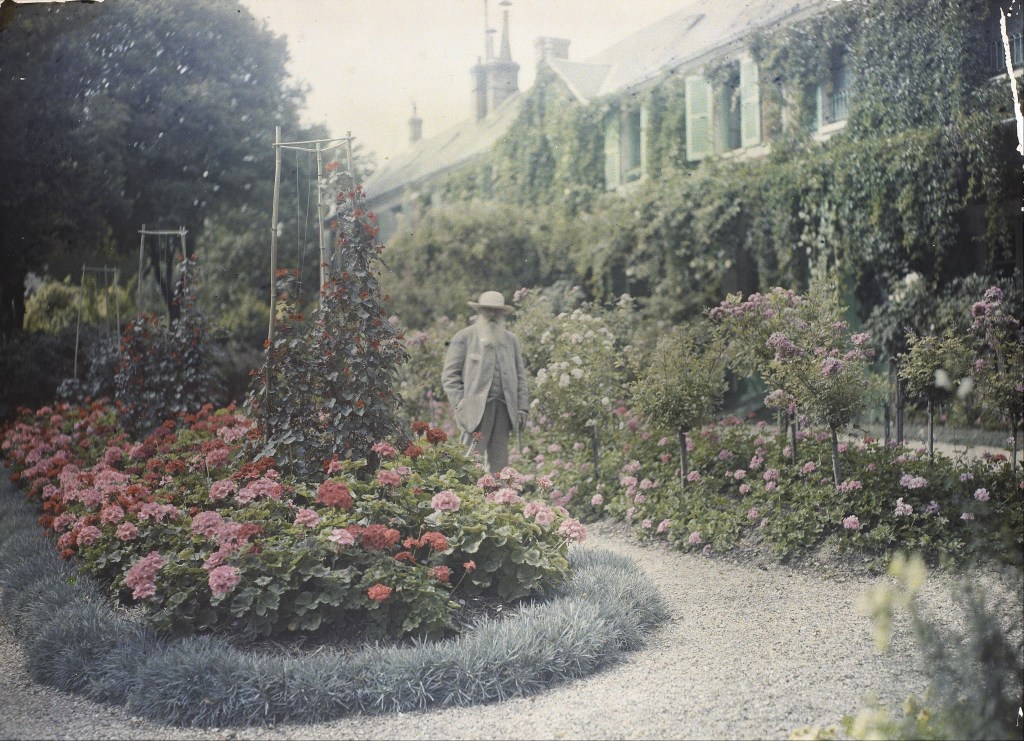
The garden at Giverny was not merely a place of leisure for Monet; it was a living canvas, meticulously designed and cultivated to reflect his artistic vision. Spanning over two acres, the garden was divided into two distinct sections: the Clos Normand, a formal flower garden located near the house, and the water garden, situated on the other side of the road.
The Clos Normand was a riot of color and fragrance, bursting with a diverse array of flowers and plant species carefully selected by Monet. Roses, tulips, irises, peonies, and poppies—each bloom was meticulously arranged to create a harmonious tapestry of shapes and hues. Throughout the seasons, the garden transformed, offering an ever-changing panorama of colors and textures that served as a constant source of inspiration for Monet’s paintings.
Across the road from the house, the water garden offered a tranquil retreat from the vibrant chaos of the Clos Normand. Here, amidst the serene beauty of the pond, Monet cultivated a lush oasis of water lilies, willows, and bamboo. The pièce de résistance of the water garden was the Japanese bridge, with its gracefully arched form and rustic wooden railing providing a focal point for many of Monet’s paintings.
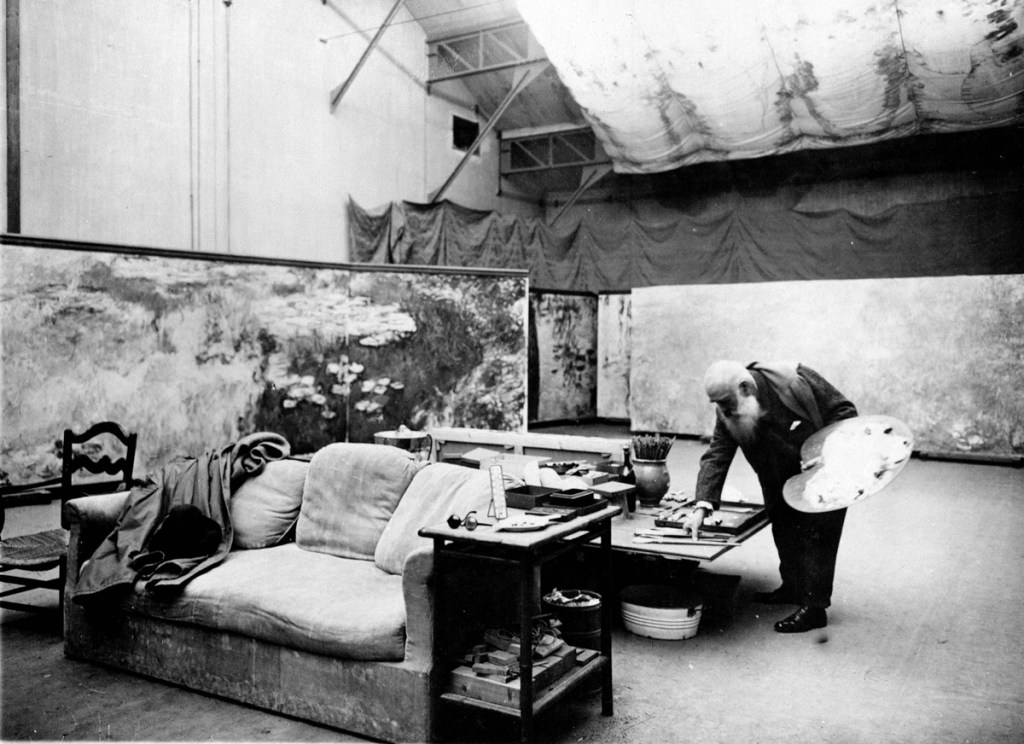
Today, the garden at Giverny remains much as Monet left it—a living testament to his enduring legacy and a pilgrimage site for art lovers and nature enthusiasts alike. Visitors flock to Giverny to walk in Monet’s footsteps, wander through the same garden that inspired some of the most beloved works of art in history, and experience firsthand the magic of Giverny.
Monet’s approach to painting flowers perfectly embodied the principles of Impressionism, revolutionizing the genre with his innovative techniques and bold artistic vision. His mastery of capturing the effects of light and atmosphere, employing loose brushwork, and emphasizing color harmony set him apart as a true pioneer in floral painting.
Instead of depicting flowers with rigid precision, Monet sought to convey their essence as they appeared in the moment, bathed in the ever-changing light of day. By painting en plein air, he could observe firsthand how sunlight danced across petals, casting subtle shadows and creating dynamic contrasts of light and shadow.

Monet’s loose brushwork was another hallmark of his Impressionist approach to floral painting. Rather than meticulously rendering every detail, he opted for quick, spontaneous brushstrokes that captured the essence of his subjects with remarkable fluidity and energy. This technique infused his paintings with movement and vitality, conveying the flowers’ natural beauty and vibrancy.
Furthermore, Claude Monet’s emphasis on color harmony was integral to his floral compositions. He had a keen eye for capturing the subtle nuances of color found in nature, carefully selecting hues that harmonized and complemented one another to create a sense of visual unity and balance. Through his use of complementary and contrasting colors, Monet was able to evoke a sense of depth and dimensionality in his floral paintings, imbuing them with a luminous quality that is quintessentially Impressionist. Specific flower paintings by Monet, such as Water Lilies and Irises, are prime examples of his mastery of these techniques and their profound impact on his artistic expression.
Water Lilies Series
Claude Monet’s Water Lilies series stands as one of the most iconic and revered bodies of work in the history of art. These mesmerizing paintings, created over several decades, showcase Monet’s profound connection to nature and his mastery of light, color, and form.
Inspired by the lush water garden in Giverny, Monet began painting water lilies in the late 19th century, capturing the tranquil beauty of the pond and its floating blooms. The series evolved, with Monet producing countless variations of the theme, each a unique exploration of light, color, and atmosphere.
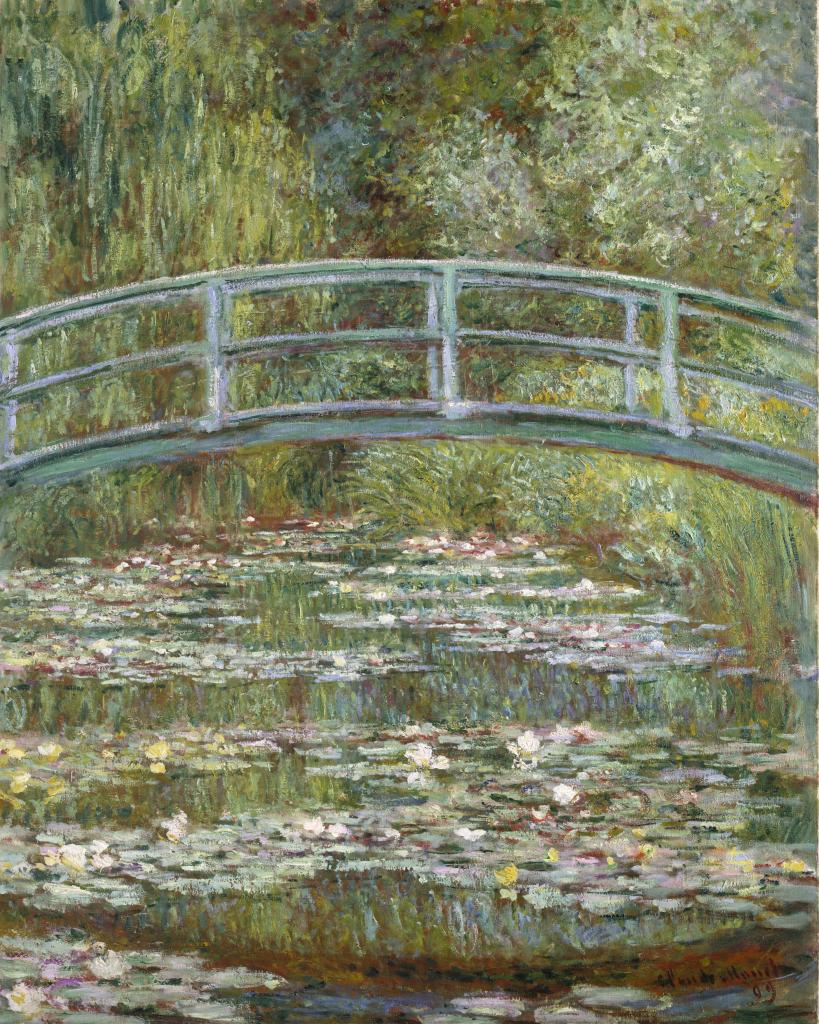
What sets the Water Lilies series apart is its immersive quality—when viewing these paintings, one feels transported to the banks of Monet’s pond, surrounded by the gentle rustle of leaves and the shimmering reflections on the water’s surface. With bold brushwork and subtle color, Monet captured the ever-changing play of light and shadow, evoking a sense of timelessness and serenity.
Over time, Monet’s paintings became increasingly abstract, with the water lilies and their reflections dissolving into shimmering pools of color. These later works represent a culmination of Monet’s lifelong exploration of light, color, and perception.

Symbolism in Monet’s Floral Art
In Claude Monet’s floral art, flowers served as more than mere subjects—they were powerful symbols imbued with rich layers of meaning and emotion. Against the backdrop of late 19th-century France, where floral symbolism was deeply entrenched in cultural norms and artistic expression, Monet’s artwork gained deeper meaning by capturing themes of beauty, rebirth, and the fleeting nature of time.
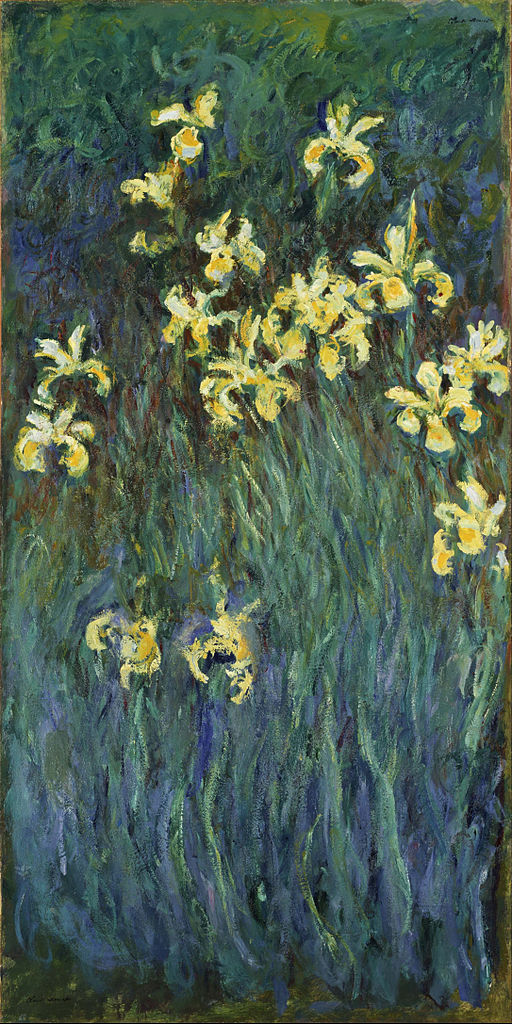
During Monet’s time, flowers carried a range of symbolic meanings, drawn from centuries of cultural tradition and literary symbolism. For example, the water lily, a recurring motif in Monet’s later works, symbolized purity, tranquility, and spiritual enlightenment. Irises were associated with royalty and wisdom, while poppies often symbolized sleep, death, or remembrance. By incorporating these symbolic flowers into his paintings, Monet tapped into a rich visual language that resonated with contemporary audiences, evoking a wide range of emotions and associations.
In Monet’s hands, different flowers conveyed various themes or emotions, reflecting his own interpretation of their symbolic significance. For instance, his depictions of water lilies often evoke a sense of tranquility and contemplation, inviting viewers to immerse themselves in the serenity of the natural world. In contrast, paintings featuring vibrant poppies or irises may convey a sense of vitality and exuberance, capturing the dynamic energy of the flowers in full bloom.
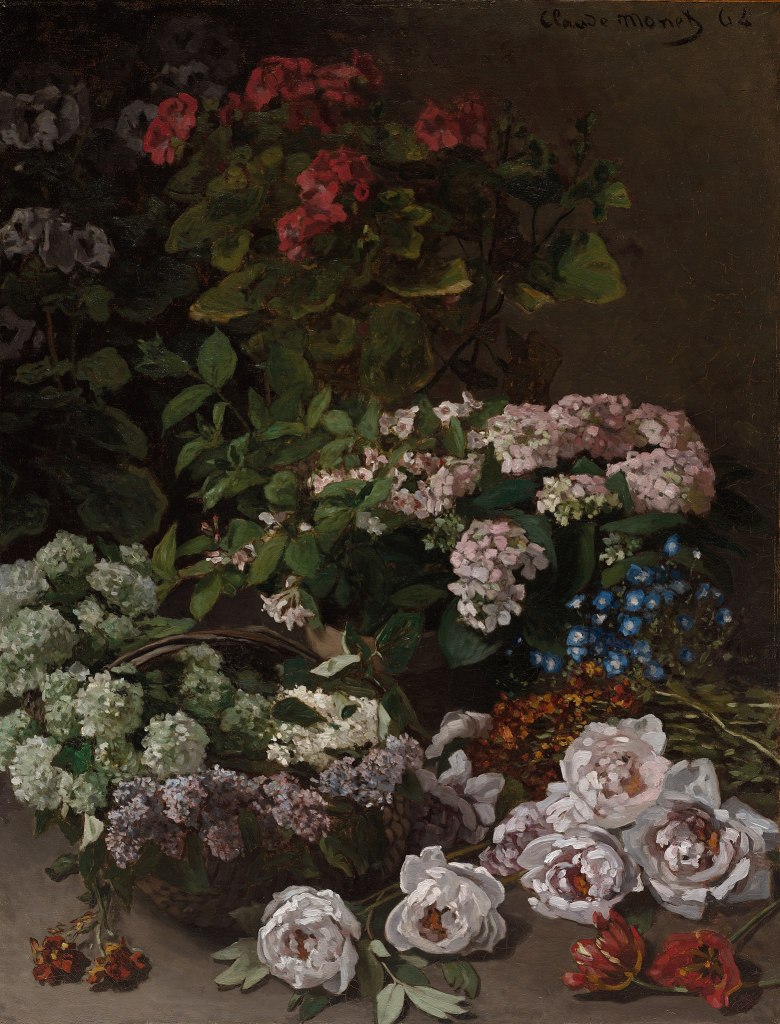
Monet’s choice of floral subjects was also influenced by personal connections and experiences. His beloved garden at Giverny, with its meticulously cultivated flower beds and tranquil water garden, provided endless inspiration for his paintings. For Monet, the act of painting flowers was not just an artistic pursuit but a deeply personal and spiritual endeavor—a way of connecting with the natural world and finding solace in its beauty. Moreover, Monet’s lifelong fascination with light and color played a significant role in his portrayal of flowers, shaping his distinctive style and artistic vision. Through his innovative use of color harmonies and dynamic brushwork, Monet captured the ephemeral beauty of flowers in all its splendor, transforming them into timeless symbols of life, love, and the human experience.
In summary, Claude Monet’s floral art is a testament to the enduring power of flowers as symbols of beauty, emotion, and cultural significance. Through his masterful paintings, Monet invites you to explore the meanings woven into each flower, to pause, reflect, and appreciate the fleeting beauty of the natural world.
“Claude Monet is a magician, a magician who evokes poetic images, an enchantment.”
Henri Matisse
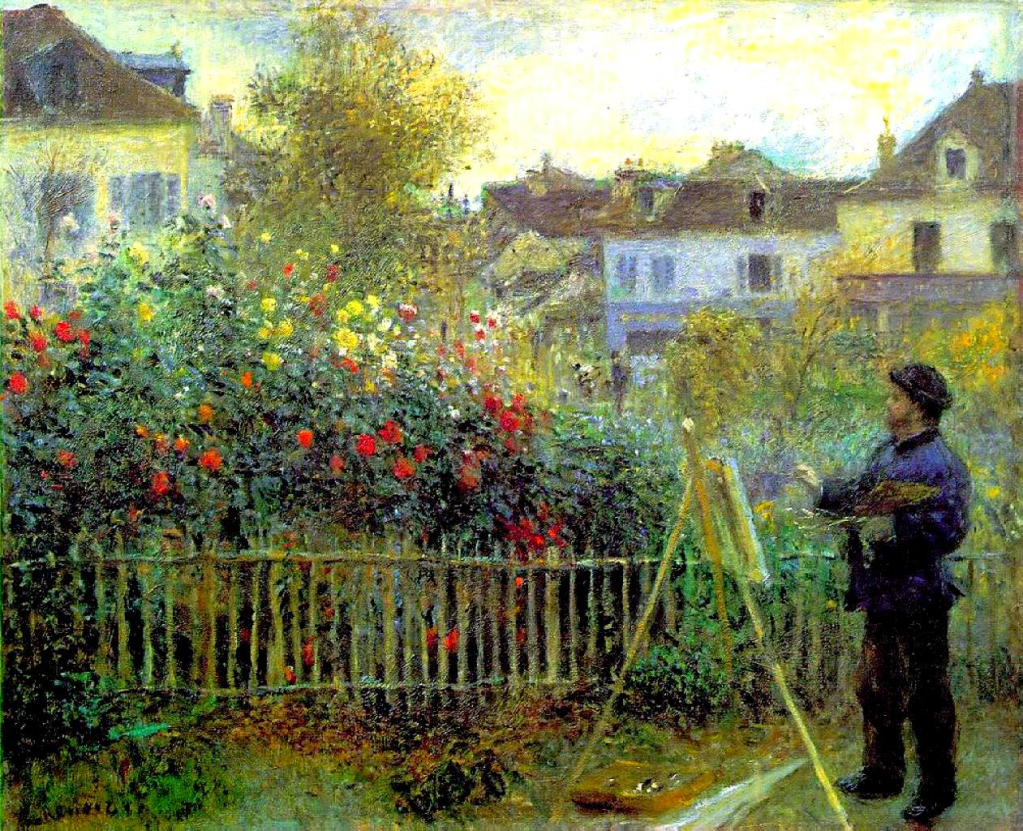
Even as fame and recognition beckoned, Claude remained grounded in his roots. He remembered the simple pleasures of a stroll through the countryside or the thrill of discovering a new flower blooming in the fields. For him, art was not just about technique or skill—it was a celebration of life itself, a tribute to the beauty surrounding him at every turn.
 Artenquire