
Architecture shapes spaces for living, worship, work, and memory. Its forms have shifted across centuries, adapting to new ideas, materials, and needs. This article examines how the concept of architecture has been defined and how its styles have evolved over time.
Jump to 9 key architectural landmarks.
What Is Architecture?
Architecture is the art and science of designing and constructing buildings and other physical structures that serve practical and aesthetic purposes. It involves space planning, design, and construction that accommodate human activities, while also considering factors such as functionality, safety, sustainability, and cultural context. Architecture involves creativity, problem-solving, and integrating various elements to build environments that meet the needs and aspirations of individuals and communities.
“Architecture is the masterly, correct, and magnificent play of masses brought together in light. Our eyes are made to see forms in light; light and shade reveal these forms.”
“Toward an Architecture” by Le Corbusier
Elements of Architectural Aesthetics
Architecture is a powerful medium that goes beyond mere construction. The fundamental elements of architectural design are form, space, light, and materials. So, what are their functions?
Form is a building’s shape and structure. It often defines its identity and character. Architects manipulate form to create visual interest, harmony, and dynamism. Organic forms might evoke a sense of fluidity and natural beauty, while geometric forms can suggest order and precision.
Space in architecture refers to the areas within and around a structure. Architects design spaces to guide movement, create functionality, and influence how people interact within an environment. Spatial design can convey intimacy in small, enclosed areas or grandeur in expansive, open volumes.
Light, both natural and artificial, is a vital element in architecture. It enhances the perception of space, texture, and form. Architects use light to set moods, highlight features, and bring life to spaces. The interplay of light and shadow can dramatically affect the ambiance and aesthetic quality of a building.
Materials contribute to the tactile and visual aspects of a structure. The choice of materials affects the building’s durability, appearance, and environmental impact. Architects select materials for their texture, color, and sustainability, creating unique sensory experiences and aesthetic statements.
For example, the contrast between concrete and wood can define the character of a space. Concrete, with its raw, industrial feel, provides a sense of strength and modernity. In contrast, wood, with its natural warmth and texture, adds a welcoming and organic touch.
Architects skillfully use these elements to evoke emotional responses, create memorable spatial experiences, and communicate cultural narratives. For example, light can transform a space from cold and uninviting to warm and welcoming. The form can evoke feelings of awe or comfort. The careful selection of materials can reflect cultural heritage or modern innovation.
History of Architecture as an Art Form
Architecture has always been more than just creating buildings; it reflects our societies, cultures, and artistic aspirations throughout history. From ancient times to the present, architecture has evolved dramatically. Each era tells the story of an artistic movement.
Ancient Civilizations
In ancient Egypt, architecture reached monumental heights with the construction of the pyramids and grand temples like Karnak. These structures, built with immense stone blocks and precise alignments, were not only feats of engineering but also profound expressions of their religious beliefs and reverence for the afterlife.
Moving to ancient Greece, we see the birth of classical architecture with the introduction of the Doric, Ionic, and Corinthian orders. The Parthenon is a testament to the Greeks’ pursuit of harmony, proportion, and beauty, reflecting their deep appreciation for humanism and democracy.
The Romans, on the other hand, took architectural innovation to new levels with their use of concrete and their emphasis on grandeur. The Pantheon and the Colosseum are perfect examples of their ability to create vast interior spaces that reflected their engineering prowess and the might of the Roman Empire.
Medieval Period
During the medieval period, Romanesque architecture emerged with its thick walls, rounded arches, and sturdy piers, seen in structures like the Abbey of Cluny. These buildings often served religious purposes, mirroring the era’s focus on monastic life and pilgrimage.

The Gothic style brought a revolutionary change with pointed arches, ribbed vaults, and flying buttresses. Cathedrals like Notre-Dame de Paris and Chartres Cathedral soared to new heights, literally and figuratively, symbolizing humanity’s reach toward the divine and the flourishing of urban centers.
Renaissance and Baroque
The Renaissance was a rebirth of classical principles, emphasizing symmetry and proportion. Architects like Filippo Brunelleschi brought new techniques and perspectives, as seen in the Florence Cathedral, reflecting a renewed interest in humanism and scientific discovery.
In the Baroque era, architecture became even more dramatic and ornate. St. Peter’s Basilica in Rome, designed by Gian Lorenzo Bernini, exemplifies the Baroque love for bold, dynamic forms and intricate details, aiming to inspire faith and awe.
Modern and Contemporary
The 20th century ushered in Modernism, where simplicity, functionalism, and new materials like steel and glass became key. Architects like Le Corbusier and Ludwig Mies van der Rohe designed Villa Savoye and the Barcelona Pavilion, reflecting the Industrial Age’s spirit and technological advancements.
Postmodernism followed, rejecting Modernism’s austerity with playful forms and historical references. Architects like Robert Venturi reintroduced ornamentation and eclecticism, as seen in the Vanna Venturi House.
Today, contemporary architecture is marked by diversity and innovation. Sustainable design, advanced materials, and cutting-edge technologies define iconic buildings like Frank Gehry’s Guggenheim Museum in Bilbao, showing how architecture continues to evolve with our changing world.
9 Key Architectural Landmarks
Here is a look at nine important architectural landmarks, from ancient and classical to modern, each notable for its design, impact, and place in history.
The Great Pyramid of Giza
Located on the outskirts of Cairo, Egypt, this is the largest of the three pyramids on the Giza Plateau and one of the Seven Wonders of the Ancient World. It was built during the Fourth Dynasty for Pharaoh Khufu, around 2580–2560 BCE, primarily as a tomb. Originally standing at about 146.6 meters (481 feet), it was the tallest man-made structure in the world for over 3,800 years. The pyramid was constructed from an estimated 2.3 million blocks of limestone and granite, some weighing up to 80 tons. Its precise alignment with the cardinal points and sophisticated internal chambers demonstrate remarkable engineering skills for its time.

The Pantheon
The Pantheon in Rome, Italy, is a former Roman temple, now a church, originally built during the reign of Emperor Hadrian around 118–128 CE. It is renowned for its massive dome with a central oculus, which remains the largest unreinforced concrete dome in the world. The building’s portico features sixteen Corinthian columns made of Egyptian granite, emphasizing its grandeur and classical design. The Pantheon has been in continuous use for nearly 2,000 years, influencing Western architecture with its symmetry, proportion, and engineering. Inside, it houses tombs of several Italian kings and the famous artist Raphael, making it both an architectural and historical landmark.

The Colosseum
The Colosseum, also known as the Flavian Amphitheatre, is an ancient Roman arena built between 70 and 80 CE under Emperors Vespasian and Titus. It could hold up to 50,000 spectators and was used for gladiatorial contests, animal hunts, and public spectacles. Constructed from concrete, travertine, and tuff, it features a complex system of vaults and corridors allowing efficient crowd movement. Despite damage from earthquakes and stone robbing, it remains a symbol of Roman engineering and imperial power. Today, the Colosseum is one of the most visited historical landmarks in the world.

Notre-Dame de Paris
Notre-Dame de Paris is a Gothic cathedral located on the Île de la Cité in Paris, France, built between 1163 and 1345. It is renowned for its flying buttresses, rose windows, and intricately carved sculptures that exemplify French Gothic architecture. The cathedral houses significant religious relics, including what is believed to be the Crown of Thorns. Over the centuries, it has endured fires, wars, and renovations, most recently after the 2019 fire that caused major damage to its roof and spire. Notre-Dame remains a symbol of French culture, history, and artistic achievement.

The Florence Cathedral
The Florence Cathedral, formally known as Santa Maria del Fiore, dominates Florence, Italy, and was built between 1296 and 1436. Its most famous feature is the massive dome engineered by Filippo Brunelleschi, a breakthrough in Renaissance architecture. The exterior is covered in intricate polychrome marble panels in green, pink, and white, reflecting the city’s artistic richness. The cathedral’s bell tower, designed by Giotto, adds to its iconic silhouette.

St. Peter’s Basilica
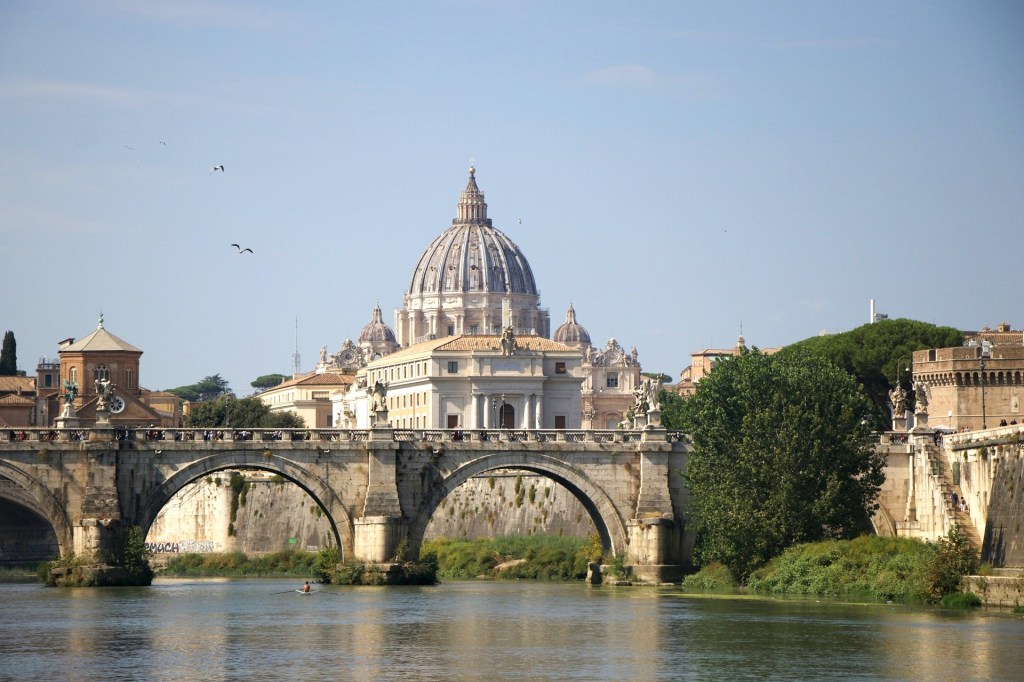
St. Peter’s Basilica in Vatican City is one of the largest churches in the world and a central site of Catholic worship. Built primarily between 1506 and 1626, it involved architects such as Bramante, Michelangelo, and Bernini. The basilica is famous for its massive dome, Michelangelo’s Pietà, and richly decorated interior, showcasing Renaissance and Baroque artistry. It stands over the traditional burial site of Saint Peter, one of Jesus’ apostles. St. Peter’s Basilica remains a religious center and a symbol of papal authority.
Villa Savoye
Villa Savoye, located in Poissy, France, was designed by Le Corbusier and built between 1928 and 1931 as a private country house. It is a prime example of the International Style, emphasizing open floor plans, pilotis (supports), horizontal windows, and a flat roof terrace. The building’s design embodies Le Corbusier’s Five Points of Architecture, highlighting functionality and modernist aesthetics. Villa Savoye influenced modern residential architecture by demonstrating how open floor plans, pilotis, ribbon windows, and rooftop terraces could create functional, light-filled spaces that broke from traditional domestic design.

The Guggenheim Museum
The Solomon R. Guggenheim Museum in New York City, designed by Frank Lloyd Wright and opened in 1959, is a landmark of modern architecture. Its spiral ramp gallery allows visitors to experience art in a continuous flow, breaking from traditional museum layouts. The museum’s organic, curving exterior contrasts sharply with Manhattan’s rectilinear cityscape. Wright’s design emphasizes the integration of form, function, and visitor experience. The Guggenheim hosts permanent collections, temporary exhibitions, and educational programs for the public, making it a major cultural institution.

The Ginger and Fred Building
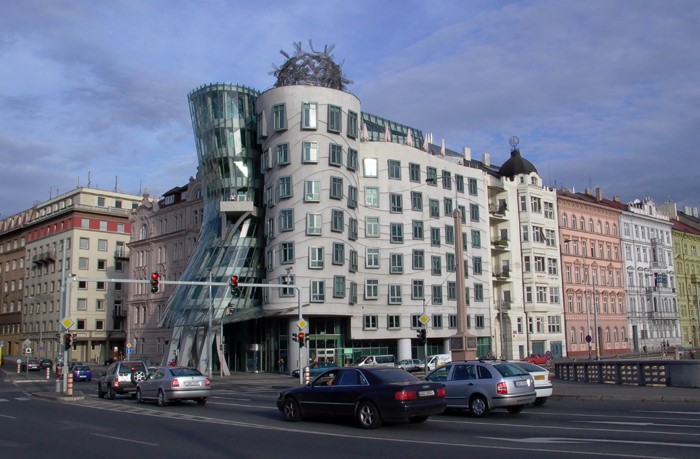
Designed by Frank O. Gehry in 1996, the Ginger and Fred building in Prague is a notable example of deconstructivist architecture. Its two dynamic, curving towers create a sense of movement and contrast with the surrounding historic cityscape. The nickname refers to the resemblance of the towers to the famous dancing duo Ginger Rogers and Fred Astaire. The building combines office and commercial spaces, showcasing Gehry’s signature sculptural approach. It is celebrated as one of Prague’s most daring modern architectural statements.

These landmarks show that architecture is not just about building structures; it’s about creating spaces that inspire, comfort, and tell the stories of our civilizations.
Architecture and Visual Culture
Architecture is deeply intertwined with other forms of visual art, such as painting, sculpture, and photography. This relationship is a dynamic conversation, where each discipline influences and enriches the others, creating a vibrant tapestry of visual culture.
“Architecture must make connections among people, places, and nature, as well as among the arts.”
“Eero Saarinen: Shaping the Future” by Eeva-Liisa Pelkonen
Architecture and Painting
The relationship between architecture and painting is evident in how spaces are designed to house artworks and how artworks, in turn, influence architectural design. Museums like the Louvre in Paris or the Guggenheim in New York are prime examples. The Louvre, with its classical grandeur, and the Guggenheim, with its modernist spirals, both enhance and are enhanced by the paintings they display. Moreover, architectural designs often take inspiration from the techniques and styles of painters. The fluid lines and organic forms in the works of Frank Gehry, for instance, echo the abstract expressionism found in the paintings of Jackson Pollock.
Architecture and Sculpture
Architecture often incorporates sculptural elements, blurring the lines between the two forms. Buildings like Antoni Gaudí’s Sagrada Familia in Barcelona are as much sculptures as they are functional structures. Gaudí’s intricate facades and organic forms transform the building into a living sculpture, reflecting the natural world. Conversely, sculptures often draw inspiration from architectural forms, using similar materials and techniques. Richard Serra’s massive steel sculptures, for example, evoke the sense of space and structure of industrial architecture.

Architecture and Photography
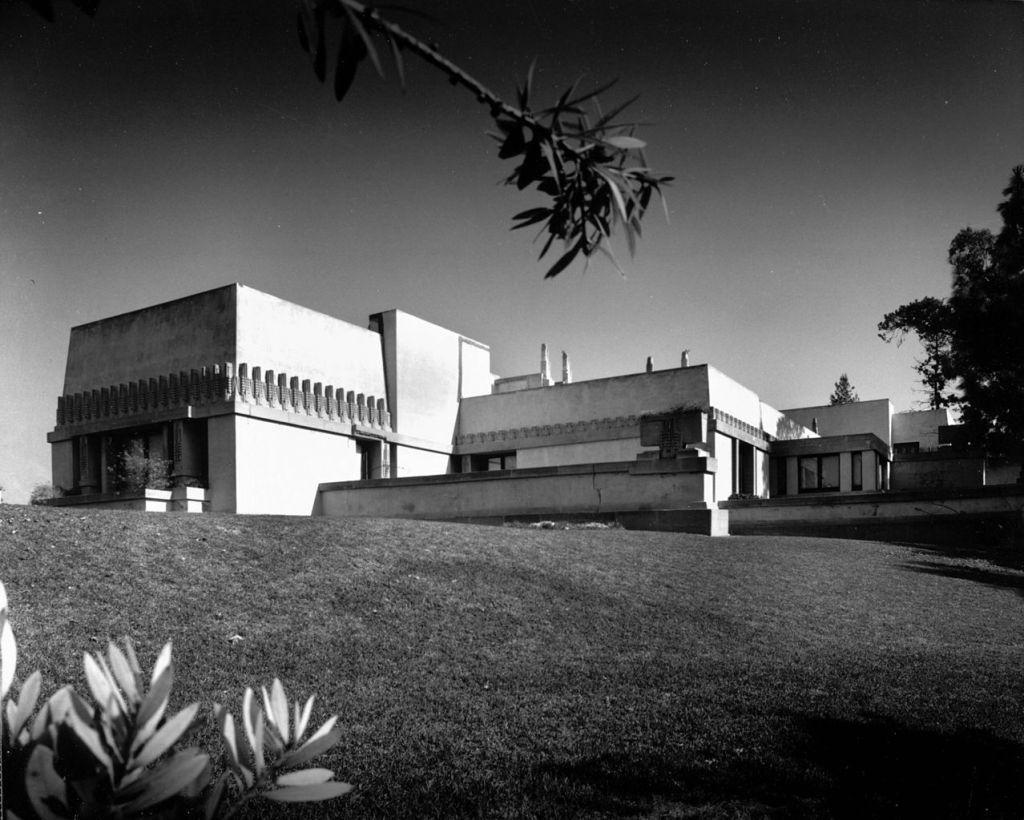
Photography plays a crucial role in capturing and interpreting architecture. The way a building is photographed can reveal its character and essence, highlighting aspects that might not be immediately visible. Photographers like Julius Shulman have significantly contributed to how we perceive modernist architecture through their evocative images. In turn, architectural designs often consider how they will be viewed through the lens, with certain elements crafted to create striking visual compositions.
Architectural Aesthetics and Cultural Movements
Architectural aesthetics are both influencers and reflections of broader cultural movements. For example, the sleek lines and functional design of Bauhaus architecture were a direct response to the industrial age, embodying the modernist movement’s principles of simplicity and efficiency. Similarly, the ornate and dramatic forms of Baroque architecture mirrored the period’s cultural emphasis on grandeur and emotion.
The influence goes both ways. The minimalist movement in art has had a significant impact on contemporary architectural design. It led to the creation of spaces with clean lines and open, uncluttered spaces. On the other hand, the rise of environmentalism and sustainability in culture has spurred architects to integrate green practices and organic forms into their designs, as seen in structures like the Bosco Verticale in Milan.
Interdisciplinary Collaborations
Interdisciplinary collaborations between architects and artists often result in innovative and boundary-pushing projects. These collaborations integrate different artistic media, creating holistic and immersive experiences.
One notable example is the collaboration between architect Renzo Piano and artist Richard Serra for the Menil Collection in Houston. Piano’s minimalist design of the museum complements Serra’s massive, abstract sculptures, creating a harmonious dialogue between the building and the artwork it houses.
Another example is the work of artist Olafur Eliasson, who frequently collaborates with architects to integrate his art into architectural spaces. His “The Weather Project” at the Tate Modern in London transformed the museum’s Turbine Hall into an immersive environment that blurred the lines between architecture, installation art, and experiential design.
Architecture: Functionality and Artistry
The tension between functionality and artistry in architecture is not a problem to be solved but a dynamic balance to be maintained. Through innovative materials, advanced technologies, and creative design solutions, architects manage to create both practical and beautiful buildings. The challenge lies in balancing these sometimes conflicting demands, and it is often within this tension that some of the most innovative and inspiring architectural solutions are born.
Balancing Practicality and Aesthetics
Architects constantly juggle the practical aspects of building design—like structural integrity, climate control, and user comfort—with their artistic visions. This balance requires creativity and ingenuity. For instance, a beautifully designed facade must also be durable and weather-resistant. Similarly, a dramatic interior space must accommodate the everyday activities of its users.
Architects often achieve this balance through the thoughtful selection and innovative use of materials. Modern materials like steel and glass allow for daring designs that still meet practical requirements. For example, glass walls can create open, light-filled spaces while also providing necessary insulation and soundproofing.
Another method is through the integration of advanced technologies. Sustainable design practices, such as green roofs and solar panels, marry functionality with aesthetics, resulting in both eco-friendly and visually striking buildings. Digital tools and parametric design software also enable architects to explore complex forms and optimize them for real-world performance.
Creative Solutions in Architectural Design
Architects often employ creative solutions to reconcile the demands of functionality and artistry. One approach is to use functional elements as part of the building’s aesthetic appeal. For example, exposed structural components can become key visual features, adding to the building’s character while also serving a practical purpose.
Adaptive reuse is another strategy where old structures are repurposed for new uses, blending historical aesthetics with modern functionality. This preserves cultural heritage and adds layers of meaning and texture to the architectural narrative.
Examples of Integrated Design
Iconic architectural projects like the Sydney Opera House, Fallingwater, the High Line, and the Louvre Pyramid exemplify how form and function coexist harmoniously, pushing the boundaries of what architecture can achieve. Let’s elaborate on each example.
The Sydney Opera House, Australia
Designed by Jørn Utzon, the Sydney Opera House is an iconic example of balancing form and function. Its sail-like shells are a feat of engineering, designed to host various performance venues and public spaces. The building’s dramatic form is an artistic masterpiece and a highly functional space for arts and culture. Utzon’s design pushed the boundaries of architectural innovation, marrying the building’s unique aesthetic with its functional demands.

Fallingwater, Pennsylvania, USA
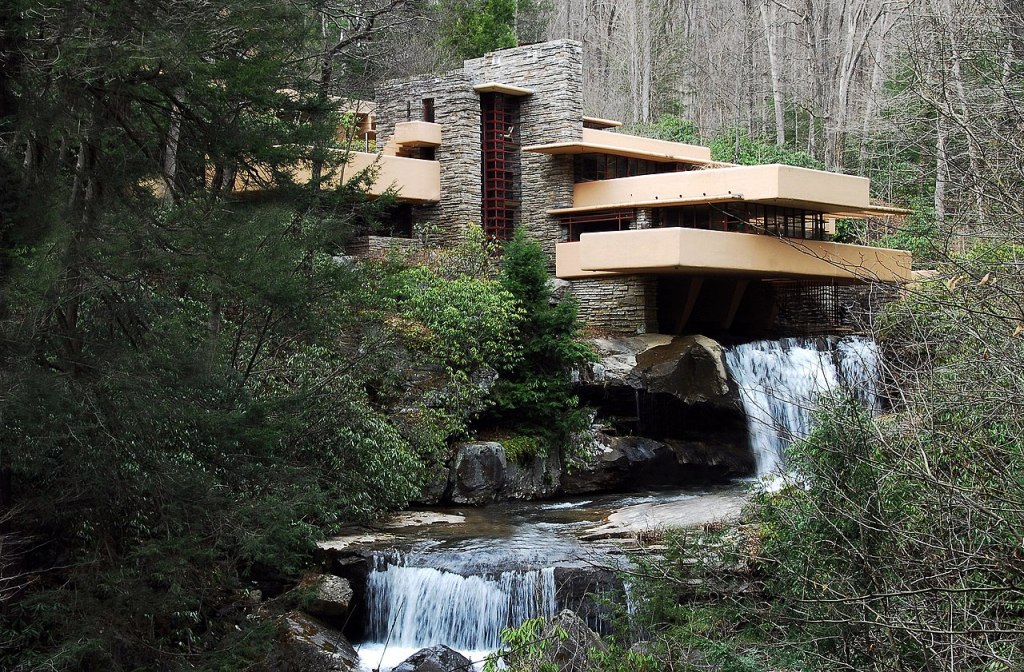
Frank Lloyd Wright’s Fallingwater is a classic example of how architecture can harmoniously blend with its environment while meeting practical needs. The house, built over a waterfall, uses local materials like stone and incorporates cantilevered terraces that extend over the water, creating a seamless integration with nature. Wright’s design is a beautiful artistic expression and a functional living space, demonstrating his philosophy of organic architecture.
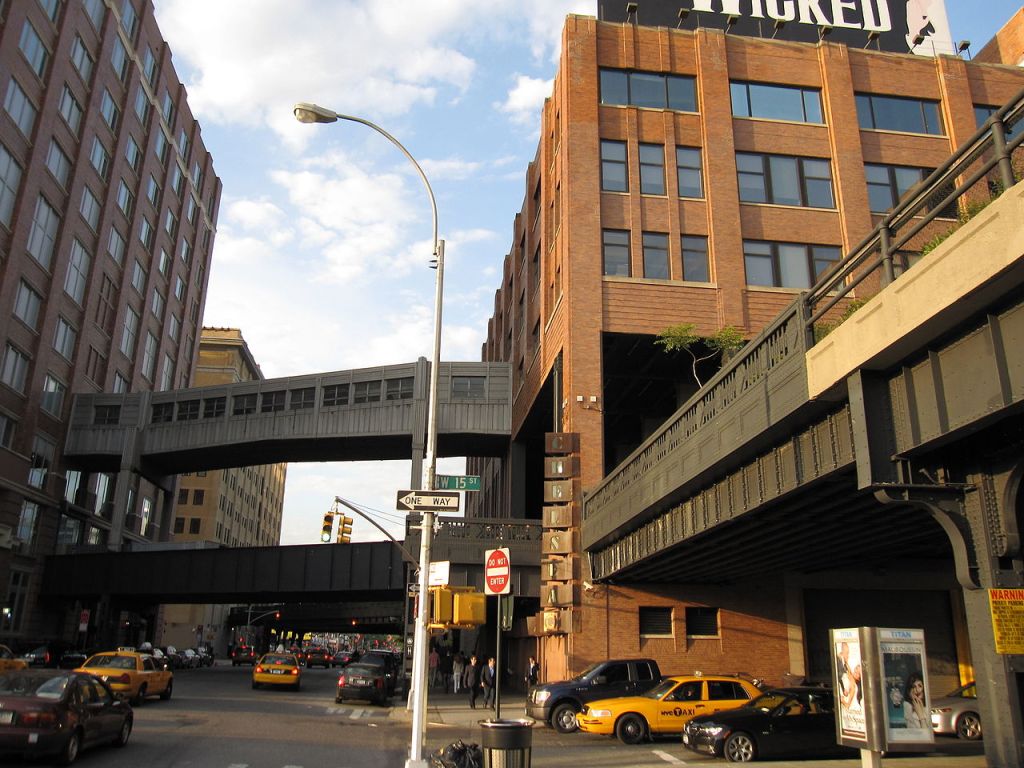
The High Line, New York City, USA
The High Line is an elevated park transformed from a disused railway line into a vibrant public space. Designed by James Corner Field Operations and Diller Scofidio + Renfro, it blends urban functionality with natural beauty. The design integrates pathways, seating, and green spaces organically and artfully composed. It provides a public amenity that enhances the urban environment while offering a unique aesthetic experience.
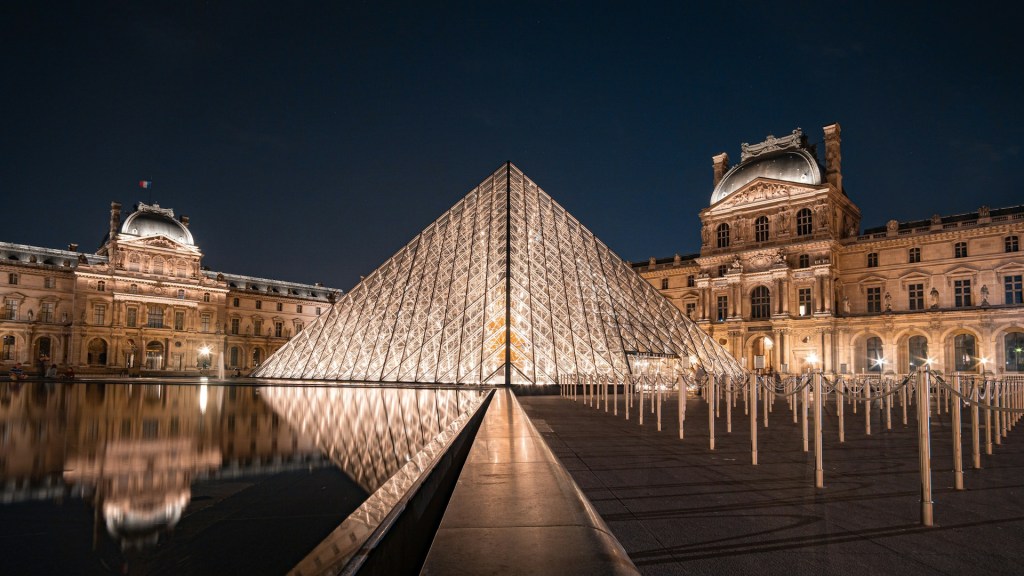
The Louvre Pyramid, Paris, France
I. M. Pei’s design for the Louvre Pyramid combines historical context with modern innovation. The glass pyramid serves as an entrance to the historic museum, offering a striking contrast to the classical architecture of the Louvre Palace. The pyramid’s form allows natural light to illuminate the underground reception area, enhancing the visitor experience. This project successfully integrates form and function, respecting the past while embracing the future.
Architecture and Cultural Identity
Architecture is more than just creating functional spaces; it is a profound reflection of cultural identity and heritage. Through its forms, materials, and design principles, architecture embodies the values, beliefs, and aspirations of the societies that create it. This connection between architecture and culture can be seen in everything from ancient monuments to contemporary urban developments.
Reflecting Cultural Identity and Heritage
Buildings and structures often serve as physical representations of a society’s cultural identity. For instance, the intricate designs of Islamic architecture, with their geometric patterns and calligraphy, reflect the cultural emphasis on artistic expression and spirituality. Similarly, the wooden temples of Japan, with their harmonious integration into natural surroundings, showcase the Japanese values of simplicity, nature, and mindfulness.
Vernacular architecture is crucial in preserving cultural traditions and fostering a sense of community. These traditional buildings, constructed using local materials and techniques, respond to the cultural and environmental context in which they are found. For example, the adobe homes in the southwestern United States and the thatched cottages in rural England provide shelter and embody the historical and cultural narratives of their regions. They preserve age-old building practices and foster a sense of continuity and community identity.
Contemporary Approaches to Multiculturalism and Globalization
In today’s interconnected world, architecture must navigate the complexities of multiculturalism and globalization. Contemporary architects often strive to create designs sensitive to diverse cultural contexts while addressing global trends and needs. However, this raises important questions about cultural appropriation and hybridity. Architects need to engage respectfully with different cultural traditions and avoid superficial or exploitative uses of cultural motifs.
An inspiring example of this balance can be seen in the work of architects who blend modern design with traditional elements. The Museum of Islamic Art in Doha, designed by I. M. Pei, integrates contemporary architectural techniques with Islamic art forms, creating a space that honors its cultural roots while embracing modernity. Similarly, the Aga Khan Award for Architecture recognizes projects that successfully integrate cultural heritage with innovative design, highlighting the importance of cultural sensitivity in contemporary architecture.
Sustainability and Ethical Considerations
In an era of environmental challenges, architects have an ethical responsibility to promote sustainable design practices and minimize environmental impact. This responsibility intersects with artistic expression, as architects must find ways to create beautiful, inspiring spaces that also respect and protect the natural world.
Balancing Sustainability and Aesthetics
Aesthetic appeal and sustainability can coexist harmoniously without compromise. Innovative approaches to sustainable architecture demonstrate that environmental stewardship and artistic excellence can go hand in hand. For instance, the Bosco Verticale (Vertical Forest) in Milan features residential towers adorned with thousands of trees and shrubs, creating a stunning visual impact while improving air quality and biodiversity in the urban environment.
Ethical considerations in architecture extend beyond environmental sustainability to include social responsibility. Architects are increasingly designing buildings that serve the broader community, such as affordable housing projects that are both sustainable and dignified. The idea is to create spaces that not only reduce environmental impact but also enhance the quality of life for their inhabitants.
How Does Architecture Shape Life?
Architecture shapes life by directing how we move, interact, and feel in a space. A home’s design can influence daily habits, while public buildings and streetscapes affect community life and social exchange. This makes architecture a framework for human experience.
 Artenquire