Under the Nazi regime in Germany, art was heavily controlled. It was used to promote Aryan superiority, anti-Semitism, and militarism. Propaganda art aimed to indoctrinate the population, glorify Nazi leaders like Adolf Hitler and demonize marginalized groups such as Jews, Roma, and political dissidents. For example, works by Arno Breker are infamous for their aestheticization of Nazi ideology. Leni Riefenstahl’s films, such as Triumph of the Will (1935), present an idealized and powerful image of the regime to the German public and the world.
Contrary to its normal purposes and concepts, art often becomes a tool of propaganda. What’s more, this tool has a unique power since it aims at the very mind and the very heart of a person. Propaganda art touches the vulnerable strings of people’s psychology related to associations, feelings, and moods. Centuries behind, art keeps being used for those filthy purposes, and, sadly, people keep getting hooked. Why does this happen?
Let’s look for the answer by defining propaganda.
What Is Propaganda in Psychology?
In psychology, propaganda involves communication techniques to influence the attitudes, beliefs, and behaviors of individuals or groups. This form of communication often has its strategic, persuasive intent to promote a particular agenda or viewpoint. Propaganda uses emotional appeals, misinformation, and selective presentation of facts to manipulate people’s perceptions and actions.
Propaganda Mechanisms
The psychological mechanisms behind propaganda include the exploitation of cognitive biases, such as confirmation bias, where people favor information that aligns with their preexisting beliefs, and repetitive messaging to reinforce a particular idea or norm. Techniques like fear-mongering, appealing to authority, and creating an “us versus them” mentality are also common in propaganda, as they play on fundamental psychological tendencies towards conformity, trust in authority figures, and in-group loyalty.
Generally speaking, propaganda uses these methods to shape public opinion and behavior, often to achieve a specific political, social, or economic outcome. The carefully crafted messages have a powerful impact on the human mind and serve particular interests.
The History of Propaganda Art
Ancient and Medieval Periods
Art has a long history, dating back to ancient civilizations where rulers and leaders used art to project power and divine authority.
- Ancient Egypt: Pharaohs commissioned grandiose statues and temple carvings to demonstrate their divine connection and legitimacy to rule.
- Ancient Rome: Emperors used sculptures, coins, and monuments like the Ara Pacis to convey their victories and benevolence, reinforcing their power and the glory of Rome.
- Medieval Europe: The Spanish Inquisition used religion as a tool of propaganda by the monarchy to establish and reinforce its authority, often leading to brutal persecution and punishment of innocent people.
Renaissance and Early Modern Periods
During the Renaissance period, art continued to serve as a means of influence and persuasion, often reflecting the interests of powerful patrons.
- Italy: The Medici family and the Catholic Church commissioned works by artists like Michelangelo and Raphael to promote religious devotion and political power.
- Reformation and Counter-Reformation: Art became a battleground for religious propaganda. Protestant reformers used pamphlets and prints to criticize the Catholic Church, while the Counter-Reformation saw the Church commissioning dramatic Baroque art to inspire faith and loyalty.
19th and Early 20th Centuries
The rise of nation-states and industrialization brought new forms of propaganda art, often tied to nationalism and political ideologies.

- Napoleonic Era: Napoleon Bonaparte used art and architecture, such as the Arc de Triomphe, to celebrate his military conquests and legitimize his rule.
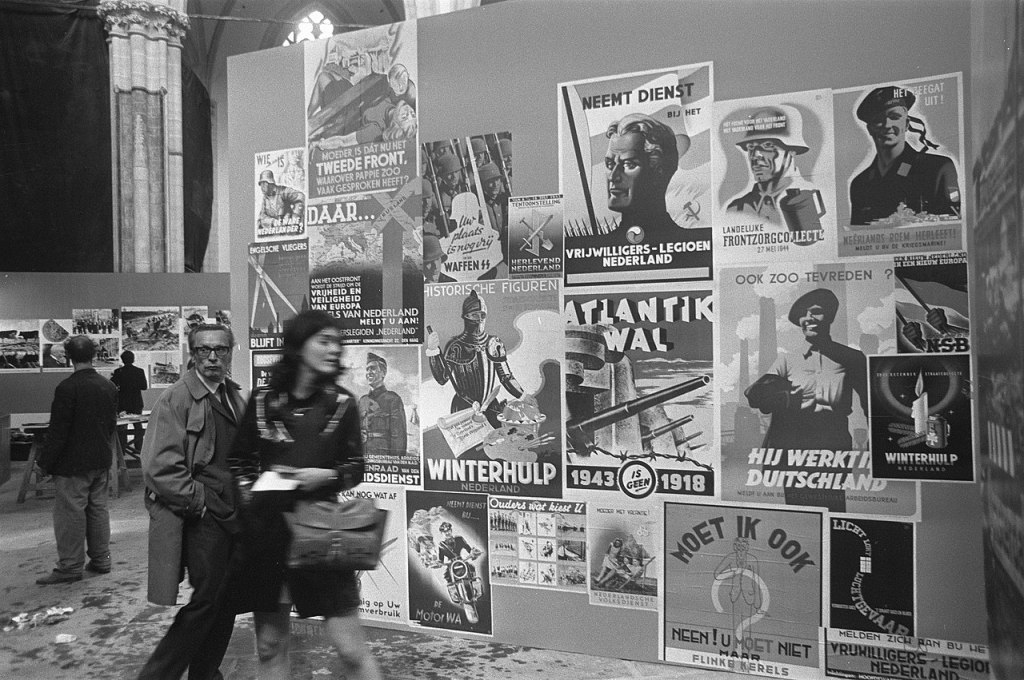
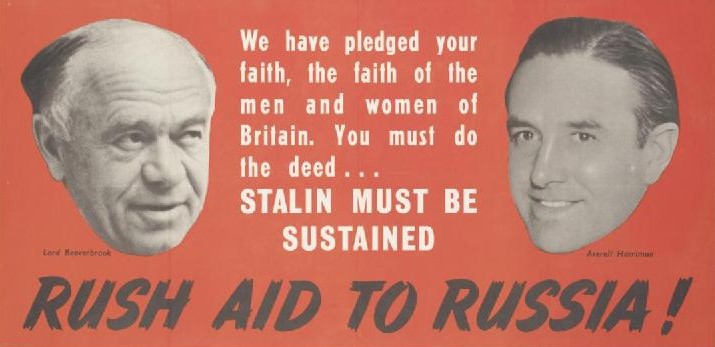
- World Wars: Both World War I and World War II saw extensive use of propaganda art. Governments commissioned posters, films, and cartoons to boost morale, recruit soldiers, and demonize the enemy. Iconic examples include British recruitment posters and American “Uncle Sam” imagery. The post-war art was a loud protest to that reality.
Mid-20th Century to the Present
The 20th century saw propaganda art reach new heights, with totalitarian regimes, democratic governments, and social movements all using art to sway public opinion.
- Soviet Union: Socialist Realism became the state-sanctioned art form, depicting idealized scenes of workers and leaders to promote Communist values.
- Nazi Germany: The Nazi regime used art to promote Aryan ideals, glorify Hitler, and spread anti-Semitic propaganda. Artists like Arno Breker created monumental sculptures celebrating the supposed superiority of the Aryan race.
- Cold War: Both the United States and the Soviet Union used art and media as part of their ideological battle. American abstract expressionism was promoted as a symbol of free expression and capitalist superiority.
- Contemporary Art: Today, propaganda can be found in different art forms, from political street art and graffiti to digital media campaigns. Artists like Banksy use their work to comment on social and political issues, continuing the tradition of using art as a powerful tool for influence and persuasion.
As you see, propaganda art has always been a potent means of communication and control.
Techniques and Methods in Propaganda Art

Symbolism and Iconography
Propaganda art often relies on powerful symbols to convey messages quickly and effectively, so viewers can immediately grasp the intended meaning without detailed explanation.
Symbols encapsulate complex ideologies and concepts in a simple, visually impactful manner.
Examples:

- Swastika in Nazi Germany. Adopted as the emblem of the Nazi Party, the swastika became a powerful symbol of the regime’s ideology and goals, representing Aryan supremacy and national unity.
- Hammer and sickle in the Soviet Union. This iconic symbol represented the unity of workers (hammer) and peasants (sickle), encapsulating the Communist ideology and the promise of a proletarian state.
Emotional Appeal
Effective propaganda art often aims to evoke strong emotions to influence public opinion and behavior. By tapping into emotions such as fear, pride, or anger, propaganda can motivate people to support a cause, take action, or adopt certain beliefs.
Emotional appeal uses human feelings to create a strong reaction, making the message more memorable and convincing.
Examples:
- Depictions of enemy atrocities. Propaganda posters during World War II often depicted enemy soldiers committing brutal acts, aiming to provoke fear and anger among the populace and bolster support for the war effort.
- Heroic imagery of soldiers. Propaganda art frequently portrayed soldiers as noble and heroic figures, fostering a sense of pride and duty among the population and encouraging enlistment and support for military campaigns.
Simplification and Repetition
To ensure that the message is easily understood and remembered, propaganda art often simplifies complex ideas into digestible visuals and repeatedly emphasizes key messages.
Simplification and repetition help to distill complicated ideologies into clear, impactful images and slogans that can be easily grasped and retained by the audience.
Examples:
- Slogans and repetitive motifs in posters and films. Propaganda campaigns often use catchy slogans and recurring motifs to reinforce their messages. For instance, the repeated use of phrases like “Keep Calm and Carry On” during World War II instilled resilience and calm among the British public.
- Simplified visuals. Propaganda posters frequently employ bold, simple graphics and straightforward language to ensure the message is accessible to a wide audience. This approach ensures that even those with limited literacy or education can understand the intended message.
Propaganda in Modern Art: Digital Era
In the digital age, propaganda takes advantage of new technologies and platforms, making it more pervasive and rapidly disseminated than ever before. Do you like to watch memes and viral videos? Well, be careful.
Memes
These are often humorous images or videos widely shared on social media. While they may seem trivial, memes can effectively spread political messages, shape public opinion, and influence elections. Memes often use humor and satire to make complex political ideas more relatable and shareable.
Social Media Graphics
Platforms like Instagram, Twitter, and Facebook are flooded with visually appealing graphics that convey political messages quickly. These graphics can include infographics, edited photos, and digitally created posters designed to go viral.
Viral Videos
Short, impactful videos shared on platforms like YouTube, TikTok, and social media are powerful tools for modern propaganda. These videos range from emotionally charged appeals to satirical content criticizing or promoting specific viewpoints.
The digital era has transformed how propaganda art is created and consumed, amplifying its reach and impact. Here are some key aspects.
Why Is Modern Propaganda so Effective?
The digital era has revolutionized propaganda art, making it more accessible, engaging, and far-reaching. Memes, social media graphics, and viral videos are now powerful tools for shaping public perception and influencing political and social outcomes.
1. Rapid Dissemination
The internet allows propaganda to spread quickly and widely. A meme or video can be shared and re-shared across multiple platforms, reaching millions of people within a short period. This speed of dissemination can shape public opinion almost instantaneously.
2. Interactivity and Engagement
Digital propaganda often encourages interaction, such as liking, sharing, and commenting. This engagement amplifies the message and creates a sense of community and shared belief among supporters.
3. Targeted Messaging
Social media platforms use algorithms to target specific demographics with tailored propaganda. This means messages can be customized to appeal to different groups, increasing their effectiveness.
4. Anonymity and Authorship
The digital space allows for anonymity, making it easier for propagandists to disseminate information without revealing their identity. This can lead to the spread of disinformation and fake news, which can be difficult to trace back to the original source.
5. Visual Impact
Digital propaganda leverages the power of visuals to capture attention and convey messages quickly. Images and videos are more likely to be shared and remembered than text-based content, making visual art a crucial component of modern propaganda.
6. Global Reach
The internet transcends geographical boundaries, allowing propaganda to reach a global audience. This can have significant implications for international relations and global public opinion.
Ethics in Propaganda Art
The ethical considerations of propaganda art include differentiating between persuasion and manipulation, understanding the significant impact this art can have on society, and acknowledging the moral responsibilities of artists. By carefully addressing these issues, artists can use their skills to inform, inspire, and promote positive change while upholding ethical standards.
Manipulation vs. Persuasion
The line between persuasive art and manipulative propaganda is often blurred, raising significant ethical questions.
Persuasion in art involves presenting ideas and viewpoints in a manner that encourages audiences to think critically and make informed decisions. It respects the audience’s ability to analyze and interpret the message, often presenting facts and allowing for multiple interpretations.
Manipulation, on the other hand, seeks to control and influence audiences through deceptive or coercive means. It often involves distorting facts, evoking strong emotions without a basis in reality, and presenting biased information to steer people toward a specific viewpoint or action without room for critical analysis.
The ethical boundary lies in the intent and methods used. Persuasive art engages and respects the audience’s intelligence, while manipulative propaganda aims to exploit cognitive biases and emotional responses to achieve its goals, often at the expense of truth and ethical integrity.
Impact on Society
Propaganda art has historically led to significant social and political consequences, both positive and negative.
The use of propaganda art by the Nazi regime had devastating consequences. It fostered widespread anti-Semitic sentiment, justified aggressive military actions, and facilitated the indoctrination of German society into accepting and participating in horrific atrocities, including the Holocaust. Leni Riefenstahl’s film “Triumph of the Will” is a powerful example of propaganda art that glorified Hitler and the Nazi Party, contributing to the regime’s consolidation of power and the spread of its ideology.
Propaganda art can also have positive social impacts. During the Civil Rights Movement, artists used posters, songs, and visual art to promote messages of equality, justice, and non-violence. This art was crucial in mobilizing support and bringing about social change. For example, the iconic image of Martin Luther King Jr. delivering his “I Have a Dream” speech, and the use of protest posters, helped galvanize public support for the movement and highlight the injustices faced by African Americans.
Artist’s Responsibility
Artists hold a unique position in society, possessing the power to influence public opinion and cultural norms. With this power comes ethical responsibility.
Artists are often seen as societal commentators and visionaries. They can reflect on current events, critique societal norms, and inspire change through their work. This role requires a careful balance between artistic freedom and ethical consideration.
Artists must consider the impact of their work on society. This includes being truthful and transparent in their messages, avoiding the spread of misinformation, and being mindful of the potential consequences of their art. They should strive to encourage critical thinking and promote positive social values, rather than exploiting their audience’s emotions and biases for manipulative purposes.
How to Resist Propaganda in Art?
To resist propagandist messages in art, it’s crucial to approach artworks with a critical mindset. Start by questioning the message’s source, motives, and potential biases. Look beyond emotional appeals and simplistic portrayals, seeking diverse perspectives and sources of information. Engage in independent research to verify claims and context presented in the art. Develop your media literacy skills to recognize propaganda techniques like selective presentation of facts or exaggeration. Foster a habit of critical analysis. Keep an open mind. Doing so will help you better distinguish and resist the influence of propaganda in art.
 Artenquire