
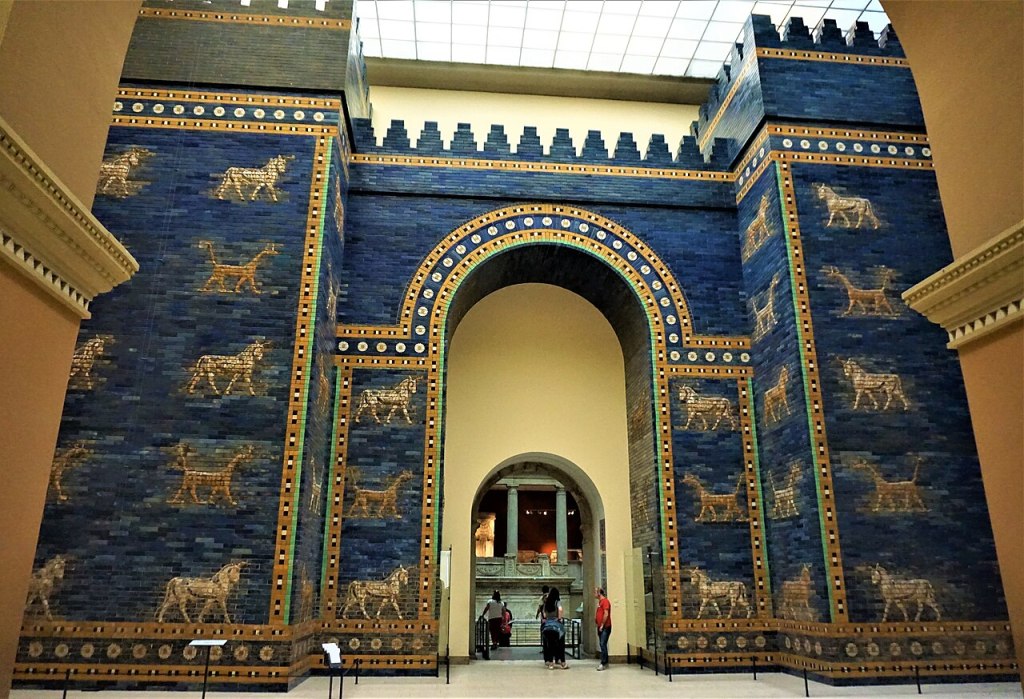
The Ishtar Gate is one of the most famous pieces of Babylonian history. Built by King Nebuchadnezzar II, it was a symbol of Babylon’s power and divine protection. The gate honored Ishtar, a powerful and important figure in Babylon. Her name was chosen for the gate because she represented strength, creation, and protection.
Why Ishtar?
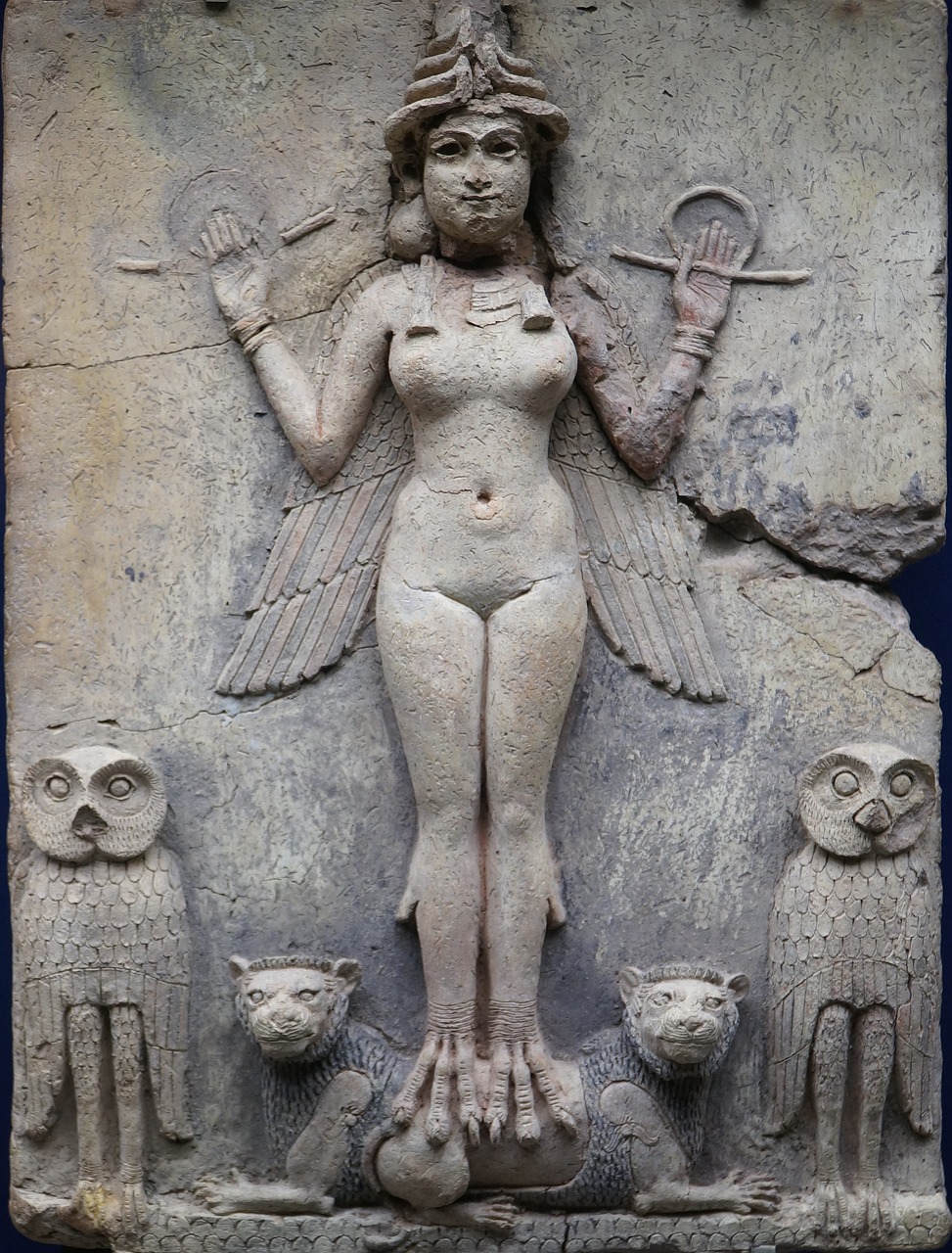
Ishtar was the goddess of love, war, and fertility. She was chosen as the namesake for the Ishtar Gate because of her significance in Babylonian religion and culture. Her association with the gate reflects the following reasons.
Supreme Goddess of Babylon
Ishtar was one of the most revered deities in Mesopotamia. As the patroness of love and war, she embodied the dual forces of creation and destruction.
Protector of Babylon
Ishtar was seen as a guardian of the city of Babylon. She was often invoked during war or danger to provide strength and victory. The Ishtar Gate, depicting lions and other sacred animals, symbolized her protective role.
Association with Fertility
Ishtar was also deeply connected to the fertility of the land and the regeneration of life. This connection was important in Babylon, where agriculture was crucial to its economy. Religious rituals focused on ensuring the fertility of the crops and livestock.
Divine Authority
Nebuchadnezzar II, who commissioned the Ishtar Gate, was keen on demonstrating his divine favor and authority. By dedicating the gate to Ishtar, he reinforced the idea that the gods blessed his reign. The Ishtar Gate showcased the king’s power, his relationship with the divine, and his role as the protector of Babylon.
Who Was Nebuchadnezzar II?
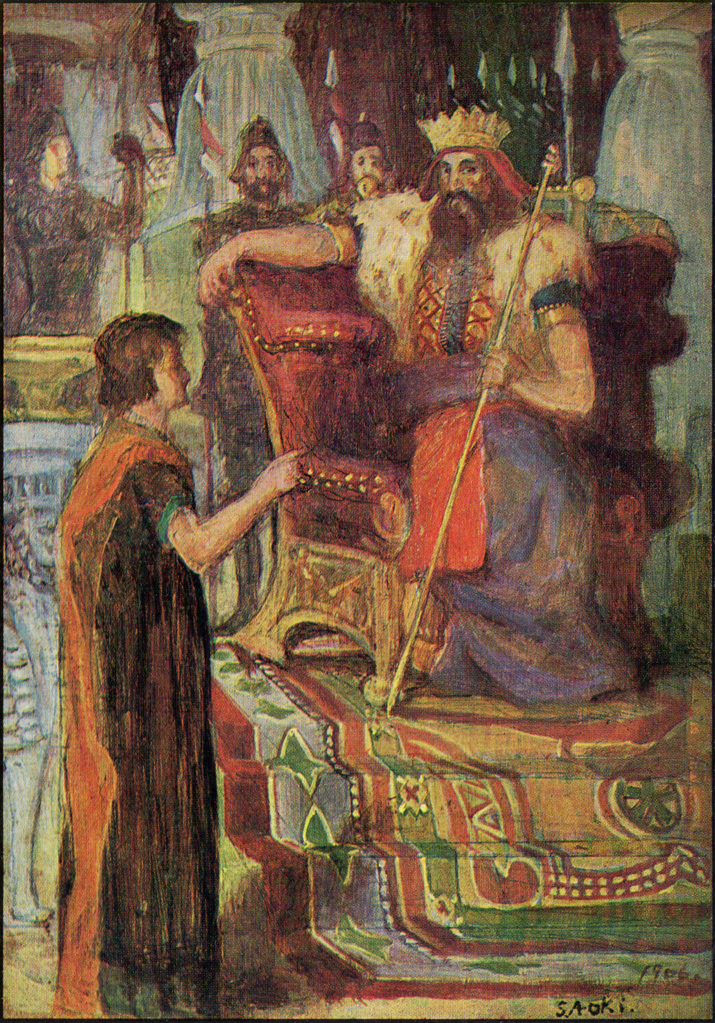
Nebuchadnezzar II (c. 634–562 BC) was the most famous king of the Neo-Babylonian Empire. He was a military conqueror, a master builder, and a central figure in biblical and ancient history. His reign marked Babylon’s golden age, transforming it into one of the most splendid cities of the ancient world.
Siege of Jerusalem
Nebuchadnezzar is most famously remembered for the siege of Jerusalem in 587 BCE. This led to the destruction of the First Temple and the Babylonian exile of the Jewish people. This event has significant historical and religious implications.
Role in the Bible
Nebuchadnezzar appears prominently in the Book of Daniel, where he is portrayed as a powerful but flawed king. Biblical stories include his dreams, interpreted by Daniel. He constructed a golden idol. He was eventually humbled by God, where he is said to have temporarily lost his sanity.
Why Did Nebuchadnezzar Create the Ishtar Gate?
Nebuchadnezzar II built the Ishtar Gate to demonstrate Babylon’s power and prosperity. It showcased cultural grandeur and honored the gods. He particularly honored Ishtar, the goddess of love, war, and fertility. The gate served multiple purposes, reflecting his ambitions as a ruler and the religious and cultural values of his kingdom. Here are the key reasons why Nebuchadnezzar created the Ishtar Gate.
Demonstrating Babylon’s Grandeur
The Ishtar Gate was designed to impress the Babylonians and visitors with the empire’s wealth, sophistication, and power. It was part of a larger project to make Babylon the most magnificent city in the ancient world. This symbolized the height of the Neo-Babylonian Empire under Nebuchadnezzar’s rule.
Religious Devotion
The gate was dedicated to Ishtar, the goddess of love and war. This dedication reflects Nebuchadnezzar’s devotion to the gods. It also shows his desire for divine favor.
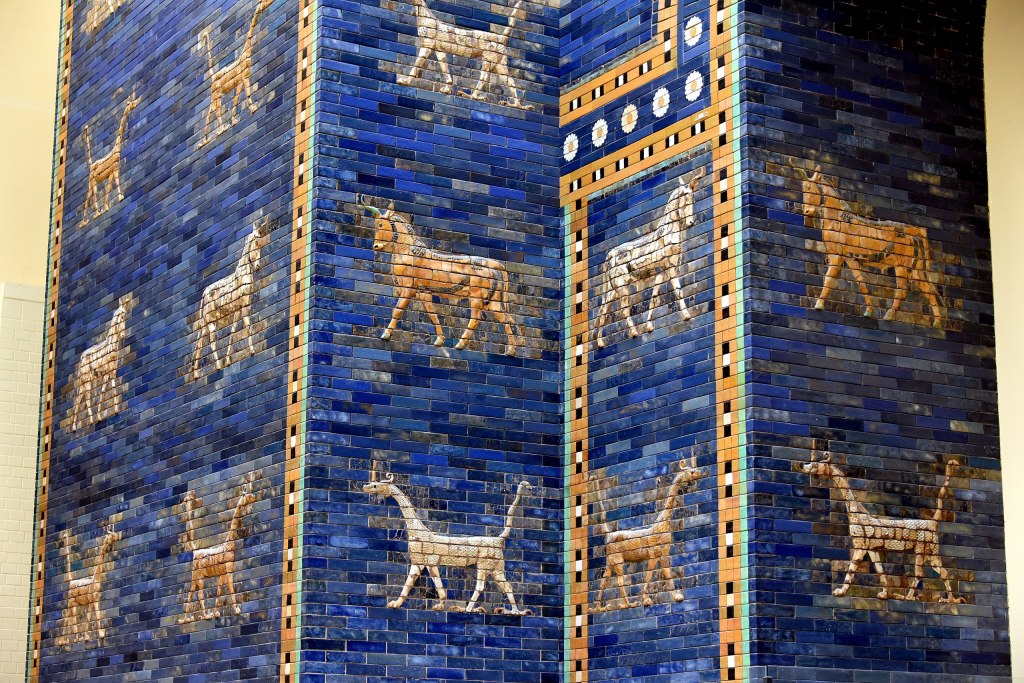
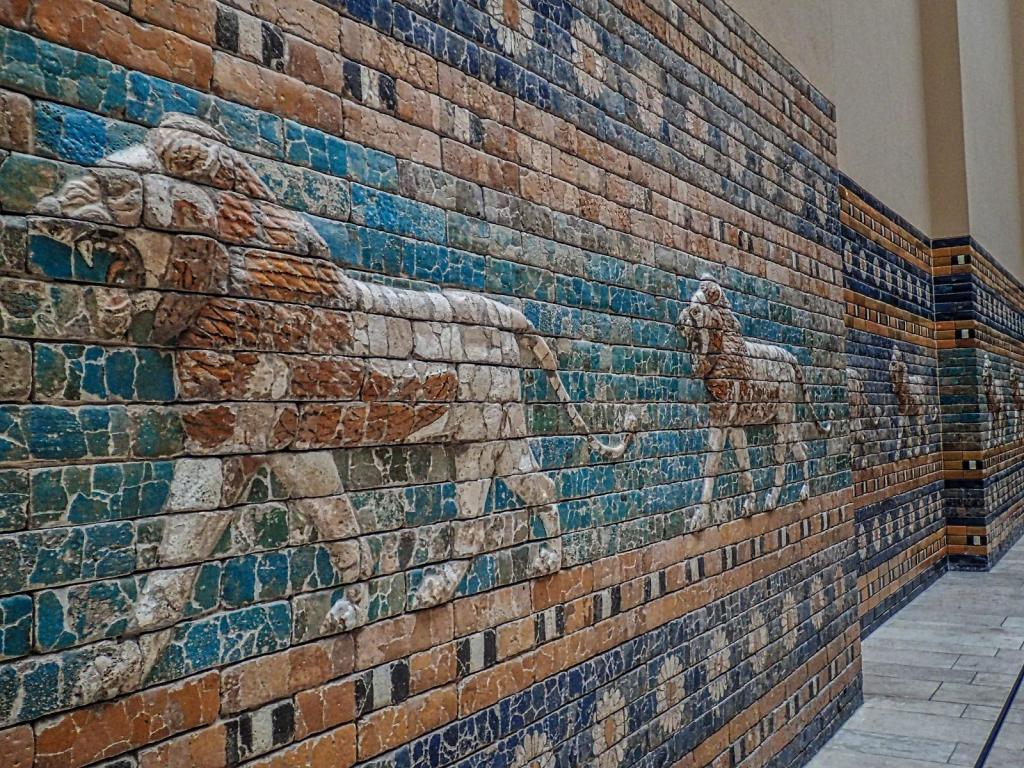
The gate featured sacred animals such as lions, bulls, and dragons. These animals represented Ishtar, Marduk (Babylon’s chief deity), and Adad (storm god). This symbolism underscored the city’s connection to divine protection and power.
Ceremonial Importance
The Ishtar Gate was a central part of the Processional Way. This was a ceremonial road used during the Akitu Festival (New Year’s festival) which celebrated the gods and renewed the king’s divine mandate.
It served as the grand entrance to Babylon, through which processions of priests, statues of gods, and the king himself passed, reinforcing the city’s spiritual and political significance.
Symbol of Protection
As a fortified structure, the gate symbolized Babylon’s strength and security. It was a literal and symbolic guardian of the city, invoking Ishtar’s protective and warlike qualities.
Political Statement
The construction of the Ishtar Gate highlighted Nebuchadnezzar’s authority and ambition. It demonstrated his role as a ruler who brought prosperity, protected the city, and honored the gods.
Nebuchadnezzar sought to immortalize his reign and ensure his legacy by creating a monumental and enduring structure.
Technical Details of the Ishtar Gate
The Ishtar Gate was a remarkable feat of engineering and design, demonstrating the grandeur of Babylon under Nebuchadnezzar II. Its construction involved precise techniques and carefully chosen materials revealing the skill and ambition behind it.
Size and Structure
The original gate was approximately 14 meters (46 feet) tall, with the reconstruction in Berlin slightly smaller. It spanned around 30 meters (98 feet).
The Ishtar Gate had a double-gate structure. It featured an outer and inner gate connected by a passage, which was flanked by walls adorned with reliefs.
Materials Used
The gate was built using blue-glazed bricks made from baked mud. These bricks were carefully molded and fired to create detailed reliefs of animals, such as lions, dragons, and bulls. The striking blue color was achieved with pigments derived from lapis lazuli or copper oxide. To reinforce the bricks and add water resistance, bitumen and straw were also incorporated into the construction.
Construction Time
The exact time to build the gate is unknown. Such a monumental project took not less than several years. The Ishtar Gate was part of a larger project to rebuild and fortify Babylon. The project included the Processional Way and other city walls.
The Ishtar Gate and The Third Reich
The Ishtar Gate was moved to Germany long before the Nazis came to power and appropriated it for their propaganda. The gate became part of their narrative of ancient cultural superiority. They claimed to be the rightful heirs to a long tradition of powerful civilizations.
How Did the Nazis Use the Ishtar Gate for Propaganda?
The Third Reich used the Ishtar Gate and other artifacts to forge a narrative of cultural and racial superiority.
Here’s how the Ishtar Gate was tied to the Nazis.
Excavation and Relocation of the Ishtar Gate
Robert Koldewey led the excavation of the Ishtar Gate in Babylon (modern-day Iraq) between 1902 and 1914. The German archaeological mission was granted permission by the Ottoman Empire, which controlled the region at the time. Koldewey carefully removed the thousands of glazed bricks and transported them to Berlin.
Wilhelm Unverzagt’s Role
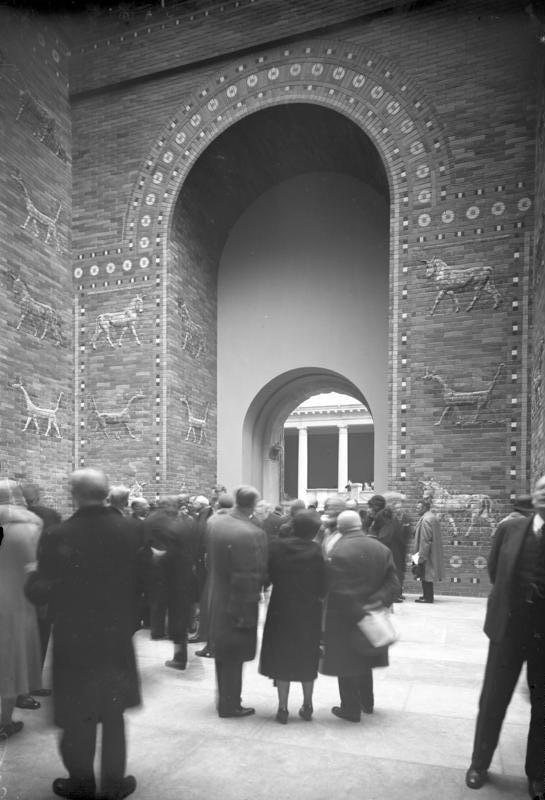
During the 1930s, the project to reconstruct the Ishtar Gate was managed by Wilhelm Unverzagt, a German architect and conservator. The excavation materials were reconstructed in Berlin, and the gate was installed in the Pergamon Museum as part of a larger exhibition. Unverzagt ensured that the gates were displayed in an imposing, awe-inspiring manner, consistent with the Nazi regime’s emphasis on monumentalism.
Symbol of Ancient Power
The Nazi regime sought to associate itself with the grandeur of ancient civilizations, especially those connected to Aryan ideals. The Ishtar Gate symbolized an ancient power, fitting into the Nazis’ narrative of a glorious past.
The regime was particularly keen on linking itself to the supposed “ancient roots” of Germanic civilization. The Babylonian gate, as an iconic structure, was seen as part of this legacy of strength.
Display at the Pergamon Museum
By the time the Nazis came to power in 1933, the Ishtar Gate had already been reconstructed in Berlin’s Pergamon Museum. The Nazis took advantage of the gate’s presence there.
Where Is the Ishtar Gate Now?
The Ishtar Gate is still housed in the Pergamon Museum in Berlin, Germany. The reconstructed gate on display is part of the original structure, as the full gate was too massive to be entirely rebuilt within the museum.
Some fragments and smaller sections of the gate and its decorations remain in Iraq and other museums worldwide. There have been ongoing discussions about the potential return of the gate or its fragments to Iraq, as it is a significant part of the country’s cultural heritage.
 Artenquire