
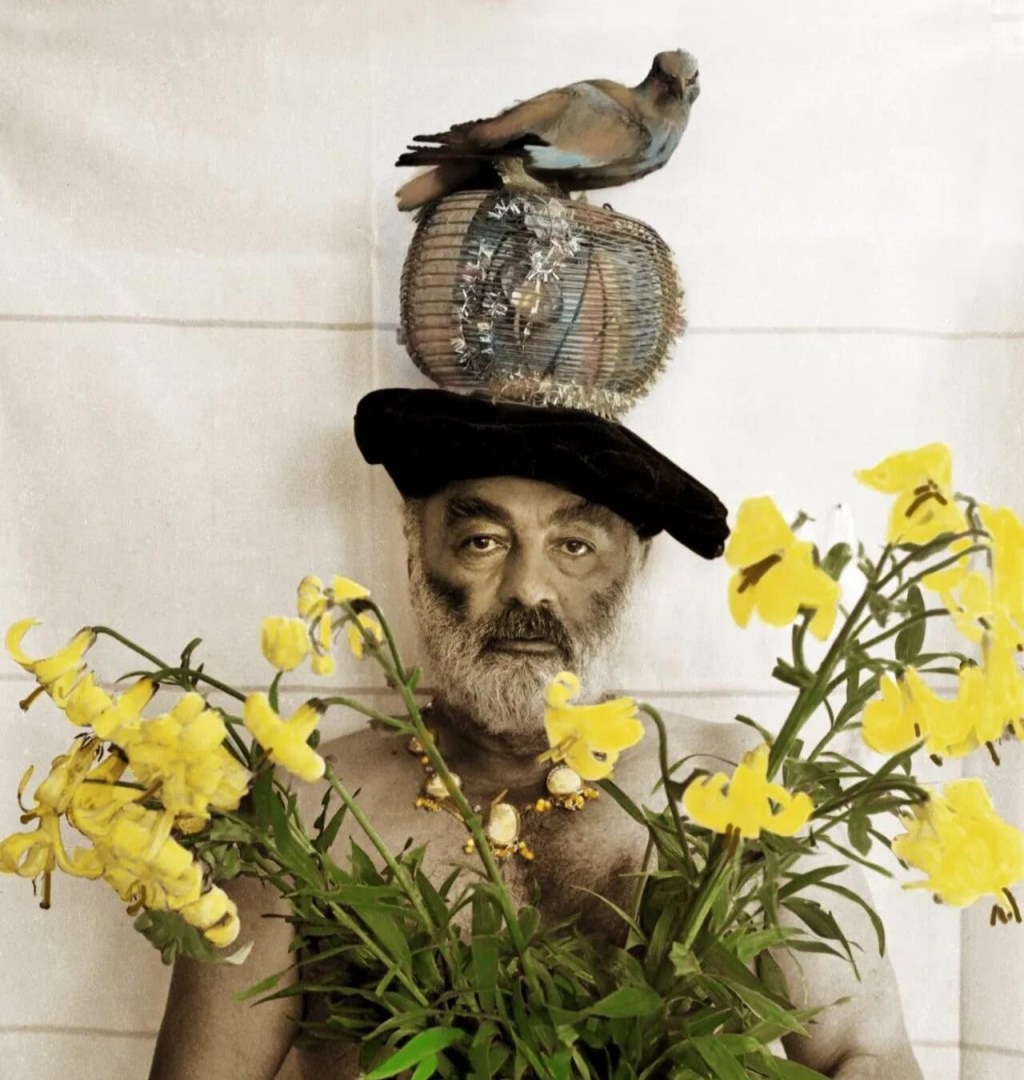
“I believe you have to be born a director. It’s like a child’s adventure: you take the initiative among other children and become a director, creating a mystery. You mould things into shape and create.”
Sergei Parajanov
Sergei Parajanov embodied a unique cultural mosaic that deeply connected him to Armenia, Georgia, and Ukraine. Born in 1924 in Tbilisi, Georgia, into an Armenian family, Parajanov’s heritage shaped his artistic sensibilities. He grew up in the vibrant multicultural environment of Tbilisi. This exposure introduced him to Georgian traditions and different cultures, which influenced his future work.
Sergei Parajanov and Armenia
Although Georgian by birth, Parajanov’s Armenian roots were central to his identity. His parents were Armenian, and he was raised in Tbilisi, within the cultural and spiritual traditions of the Armenian diaspora. Armenian stories, music, and rituals left an indelible mark on his imagination. These influences later permeated his films, infusing them with a distinctly Armenian sensibility.
The Color of Pomegranates (1969)

Parajanov’s masterpiece, The Color of Pomegranates (1969), is the cornerstone of his connection to Armenia. The film is a poetic tribute to Sayat-Nova, an 18th-century Armenian poet and troubadour. It eschews traditional narrative storytelling, opting for symbolic tableaux that evoke the poet’s life, passions, and spiritual journey.
The film’s visual language draws heavily on Armenian art, history, and religious iconography. Parajanov meticulously recreated scenes inspired by medieval Armenian manuscripts, khachkars (cross-stones), and the architecture of Armenian monasteries. Every frame of the film is imbued with the spirit of Armenian culture, reflecting Parajanov’s reverence for his heritage.
Despite its artistic brilliance, The Color of Pomegranates was censored by Soviet authorities. They saw it as too esoteric and nationalistic and demanded cuts and alterations. Nonetheless, the film achieved international acclaim and became a defining work of Armenian cinematic and cultural identity.
Impact on Armenian Culture and Cinematography
Parajanov’s influence on Armenian art and culture was transformative, merging tradition with avant-garde expression. He deeply understood Armenian medieval manuscripts, architecture, and folk art. This knowledge allowed him to reinterpret these elements through an entirely new lens. He brought Armenian cultural motifs into the global spotlight, particularly through the striking use of symbolism in his films, most notably in The Color of Pomegranates.
Another significant example is Hakob Hovnatanyan (1967). This short documentary celebrates the 19th-century Armenian painter known for his portraits and vivid depictions of Armenian life. In this film, Parajanov paid homage to the artistic legacy of Hovnatanyan. His experimental techniques mirror the painter’s intricate and expressive style. Both films showcased Parajanov’s ability to transform Armenian cultural elements into timeless works of art. They cemented his status as a cultural icon within Armenia and beyond.
The Parajanov Museum in Yerevan
Once you’re in Yerevan, make sure to visit the Parajanov Museum. This is a must-see for art lovers and those interested in Armenian culture. It includes personal items, manuscripts, photographs, and pieces of art created by Parajanov himself. The museum’s exhibits highlight his distinctive style, blending elements of Armenian, Georgian, and Ukrainian culture. The colorful display of Parajanov’s art includes collages, puppets, and set designs from his films. The building design reflects the eclectic nature of Parajanov’s work, inviting visitors into his creative universe.
Parajanov’s Connection to Georgia
“In Georgia, even the stones sing.”
Sergei Parajanov
Sergei Parajanov’s connection to Georgia was profound, both personally and artistically. Georgia was more than a place of residence for Parajanov—it became a sanctuary for his imagination and a wellspring of inspiration that deeply influenced his cinematic artistry.
Early Connection to Georgia
Born in 1924 in Tbilisi, Georgia, to Armenian parents, Parajanov grew up in a culturally diverse environment that shaped his unique worldview. Tbilisi, known for its rich blend of Georgian, Armenian, Russian, and Persian influences, fostered his appreciation for multicultural traditions and artistic expression. This cultural melting pot profoundly informed his later works, which poetically combined elements from various traditions.
Georgian Themes in His Films
Parajanov’s time in Georgia allowed him to immerse himself in the country’s folklore, art, and landscapes, which became integral to his films. His masterpiece, The Legend of Suram Fortress (1985), was adapted from a Georgian folk legend. The film captures the essence of Georgian culture, showcasing its music, costumes, and traditions while exploring universal themes of sacrifice and destiny. The film’s striking visual style, filled with symbolic imagery and tableau-like compositions, elevated Georgian heritage to an international audience.
Another example of his engagement with Georgian culture is Ashik Kerib (1988), based on an Azerbaijani folk tale but filmed in Georgia. The movie’s lush Georgian landscapes and architecture served as the backdrop for the film. They demonstrated Parajanov’s ability to transcend borders and create a dialogue between cultures.
Creative Freedom in Georgia

Georgia also provided Parajanov with the creative freedom otherwise scarce under the repressive Soviet regime. The Georgian cultural community valued his unconventional genius and often supported him during his struggle. His friendships with prominent Georgian artists and intellectuals, such as Tengiz Abuladze and Revaz Gabriadze, further enriched his creative endeavors.
Personal Ties to Georgia
Parajanov spent significant periods of his life in Tbilisi, even after facing persecution in other parts of the Soviet Union. His deep love for Georgian culture and people was evident in his interactions and artistic choices. Despite the challenges he faced under the Soviet regime, Georgia remained a source of comfort and inspiration, reflecting the warmth and resilience of its people.
Sergei Parajanov in Ukraine
Sergei Parajanov’s connection to Ukraine was integral to his identity as a filmmaker and artist, providing a fertile ground for developing his unique cinematic style. Though born in Georgia, Parajanov’s career blossomed in Ukraine, where he created some of his most iconic works and engaged deeply with Ukrainian culture and folklore.
Early Career in Ukraine
Parajanov moved to Kyiv to study at the Gerasimov Institute of Cinematography (VGIK) and later began working at the Dovzhenko Film Studio. His early films, such as Andriesh (1954) and Ukrainian Rhapsody (1961), were relatively conventional, reflecting the socialist realism of the Soviet era. These films adhered to official artistic norms, focusing on themes of patriotism and collective spirit. However, they offered glimpses of Parajanov’s burgeoning creativity, particularly in their attention to visual composition and emotional resonance.
Breakthrough with Shadows of Forgotten Ancestors
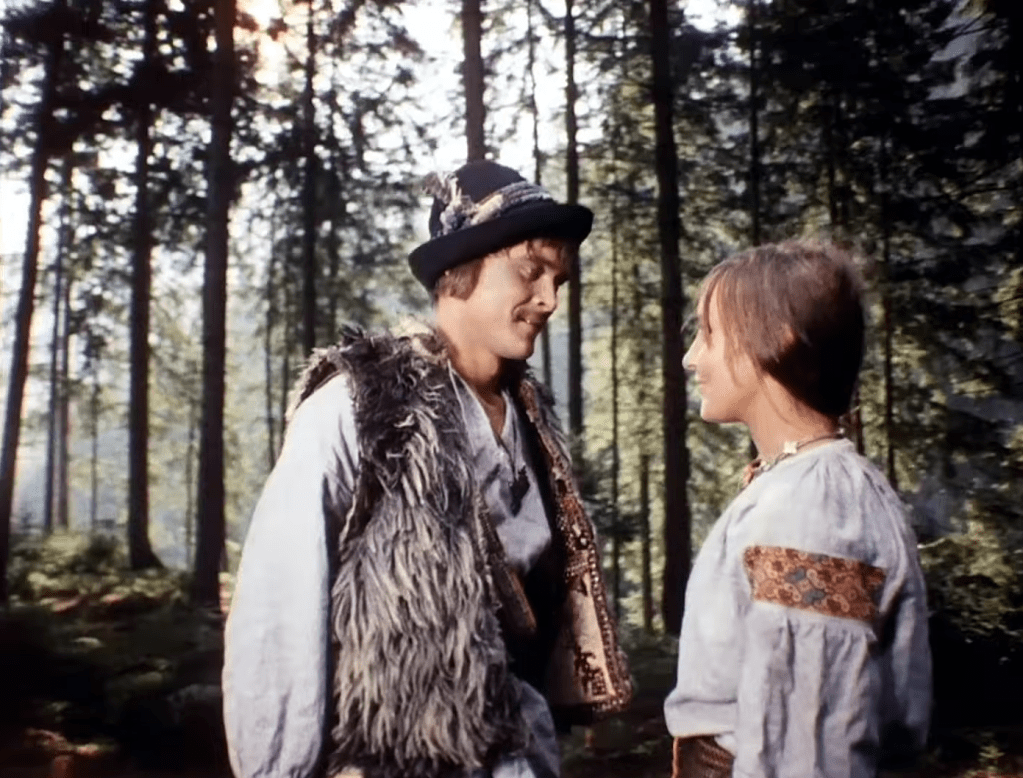
Sergei Parajanov’s true artistic breakthrough came with Shadows of Forgotten Ancestors (1965), a masterpiece rooted in Ukrainian culture. The film is a visually stunning adaptation of Mykhailo Kotsiubynsky’s novel, which explores the life, love, and folklore of the Hutsul people in the Carpathian Mountains. Parajanov’s innovative use of color, symbolism, and camerawork broke with traditional Soviet cinema, earning him international acclaim.
Challenges and Persecution
Despite his artistic achievements, Parajanov faced significant challenges in Ukraine. His avant-garde style and refusal to conform to Soviet ideology made him a target for authorities. In the late 1960s and early 1970s, he was accused of “decadence” and “anti-Soviet behavior,” leading to his imprisonment on politically motivated charges. Parajanov spent nearly four years in labor camps, during which his creative output was severely restricted.
Later Years and Legacy in Ukraine
After his release, Sergei Parajanov continued to maintain ties with Ukraine, although his work faced ongoing censorship. His influence on Ukrainian cinema and art remained profound. His films demonstrated the power of storytelling rooted in local traditions while transcending boundaries to achieve universal appeal.
Today, Ukraine honors Parajanov as a cultural luminary. The Dovzhenko Film Studio, where he created some of his most iconic works, remains a testament to his legacy. His contributions to Ukrainian cinema and his ability to elevate its folklore to an international stage have solidified his place as one of the country’s most celebrated filmmakers.
Both triumph and adversity marked Parajanov’s time in Ukraine. Still, it was here that his revolutionary vision fully emerged, leaving an indelible mark on the nation’s cultural landscape.
Soviet Union’s Persecution
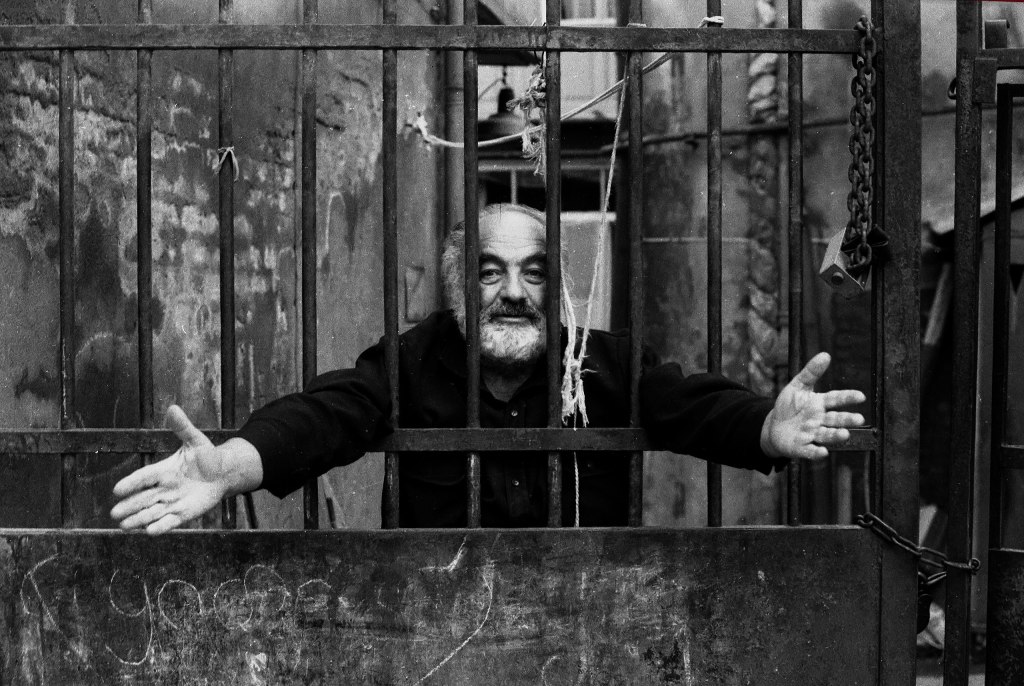
Sergei Parajanov’s artistic vision, personal identity, and outspoken nature made him a target for Soviet authorities, leading to years of censorship, imprisonment, and marginalization.
Conflict with Soviet Ideology
Sergei Parajanov’s cinematic style, which emphasized poetic symbolism, folklore, and cultural heritage, sharply contrasted with the principles of socialist realism—the officially sanctioned propagandistic artistic style in the Soviet Union. Socialist realism required art to glorify the working class, the Communist Party, and Soviet ideals, often at the expense of individual expression. Parajanov’s refusal to conform to these norms and his focus on the cultural and spiritual depth of specific ethnic traditions, such as Armenian, Georgian, and Ukrainian, were viewed as subversive and nationalist.
Imprisonment and Trials
Parajanov’s persecution came to a head in the early 1970s. After the release of his groundbreaking film Shadows of Forgotten Ancestors and the internationally acclaimed The Color of Pomegranates, Soviet authorities intensified their scrutiny. In 1973, he was arrested on charges of bribery and the dissemination of pornography—charges widely believed to be fabricated and politically motivated.
In addition to these charges, Parajanov was accused of Ukrainian nationalism. This accusation stemmed from Shadows of Forgotten Ancestors, celebrating Ukrainian culture, folklore, and traditions. The film’s focus on the Hutsul people and its bold portrayal of regional identity rather than Soviet ideals were considered subversive. The Soviet regime interpreted Parajanov’s admiration for Ukrainian heritage as nationalist sentiment, which clashed with their emphasis on a homogenized Soviet identity. His artistic celebration of Ukrainian culture was seen as a challenge to Soviet control over cultural narratives and a potential threat to the unity of the USSR.
Sergei Parajanov was sentenced to five years in a hard labor camp in Ukraine. During his imprisonment, he faced brutal conditions, including physical labor, isolation, and psychological torment. Fellow artists and intellectuals, including prominent figures such as Andrei Tarkovsky and Jean-Luc Godard, protested his incarceration, but the Soviet regime largely ignored these appeals.
Despite the hardships, Parajanov remained creatively active in prison, producing drawings, collages, and small art pieces. These works, often created from limited materials, demonstrated his enduring spirit and artistic ingenuity.
Post-Imprisonment Struggles
After nearly four years, Sergei Parajanov was released in 1977 due to international pressure and advocacy from the artistic community. However, he was effectively blacklisted and barred from making films for nearly a decade. During this time, he continued to create art, including collages and sketches, smuggled out of the Soviet Union and exhibited abroad.
In the 1980s, during a brief thaw in Soviet cultural policies under Mikhail Gorbachev’s glasnost, Parajanov was allowed to return to filmmaking. He completed The Legend of Suram Fortress and Ashik Kerib, which reflected his unyielding commitment to his artistic vision.
The Icon of Three Cultures
“I am an Armenian who was born in Tbilisi and imprisoned in a Russian jail for Ukrainian nationalism.”
Sergei Parajanov
Sergei Parajanov’s life and art became a bridge between these three cultures. He remains a symbol of the rich cultural interplay among Armenia, Georgia, and Ukraine, and his works continue to inspire generations worldwide.
 Artenquire