
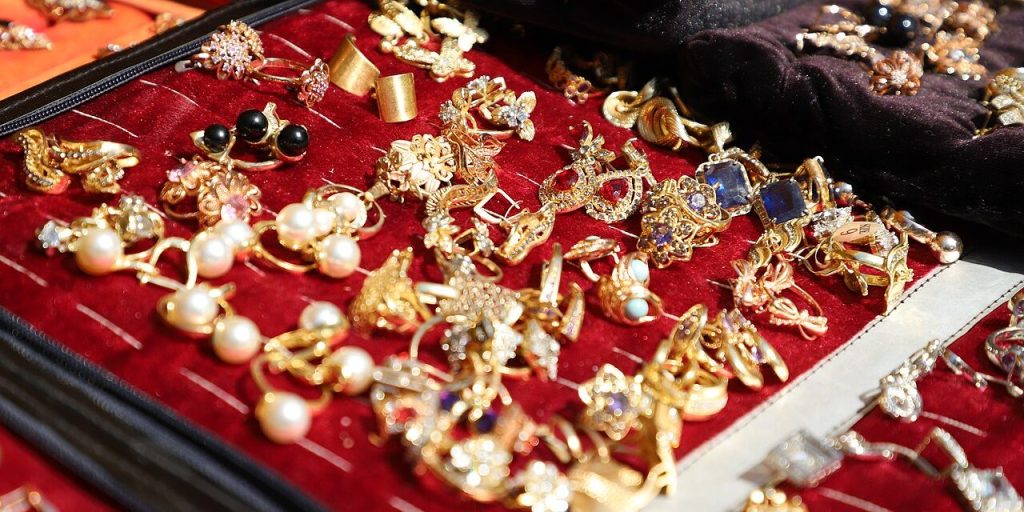
Jewelry is often seen as a symbol of wealth, status, or personal style, but its significance runs deeper. Across cultures and centuries, it has been a medium for artistic expression, carrying meaning beyond its materials. Why is jewelry a form of art? Because it merges craftsmanship with storytelling and history with innovation. This article explores the artistic dimension of jewelry, tracing its evolution, techniques, and role in shaping culture and identity.
Jewelry Evolution Through Centuries
Throughout history, jewelry has transformed from a functional tool to an artistic medium. Each era brought new techniques, materials, and meanings.
Early Beginnings: Adornment and Symbolism
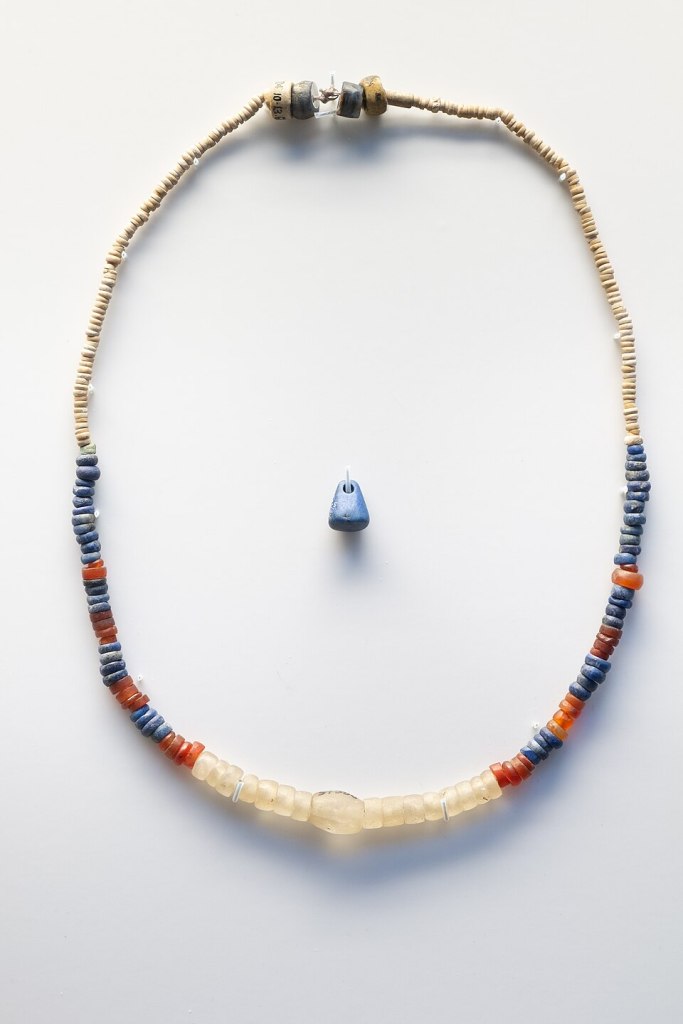
In its earliest forms, jewelry served a practical purpose such as protecting the wearer or denoting status. Ancient civilizations like the Egyptians and Mesopotamians used jewelry for religious and spiritual purposes, with pieces often representing gods, protection, or power. Though often simple in design, these pieces laid the groundwork for the connection between jewelry and identity. Early materials, such as shells, stones, and bones, were decorative and carried cultural and symbolic significance.
The Craftsmanship of Ancient Civilizations
As societies advanced, so did the sophistication of jewelry-making. In ancient Greece and Rome, artisans began to use precious metals like gold and silver, introducing more elaborate techniques such as engraving and filigree. This era marked a shift from functional adornment to a pursuit of beauty and artistic mastery. Jewelry was now crafted not only to signify status but also to display the artist’s skills.

The Renaissance and Beyond: Jewelry as Art and Fashion
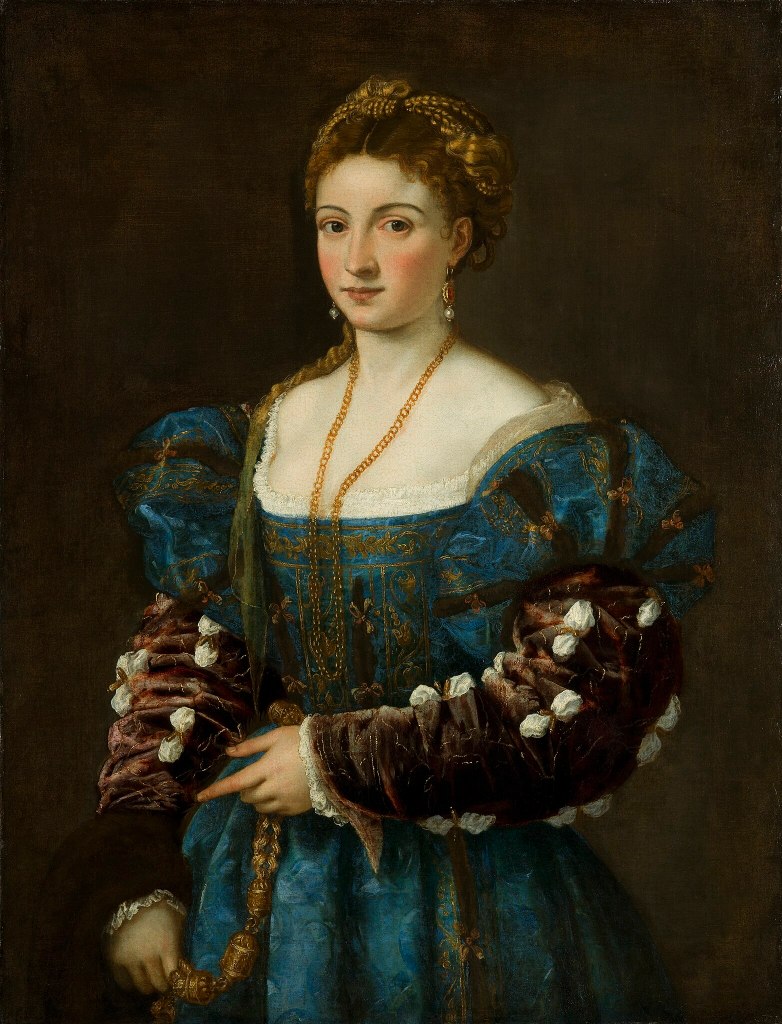
During the Renaissance period, jewelry began to take on an aesthetic value. Artists and craftsmen no longer saw themselves solely as metalworkers but as creators of beauty. Jewelry was incorporated into the time’s fashion, often designed to complement clothing, and became a symbol of refined taste. This era also saw the rise of gemstones used for their rarity and visual appeal, opening the door for more intricate, artistic designs.
The 19th and 20th Centuries: Jewelry as Art
With the advent of the Industrial Revolution and the Arts and Crafts Movement, jewelry-making became a field for individual artistic expression. Jewelers moved away from mass production, focusing instead on handcrafting unique pieces. Movements like Art Nouveau and Art Deco influenced jewelry design, where forms, patterns, and new materials were pushed to the forefront. Jewelry no longer just reflected status; it became an art medium.
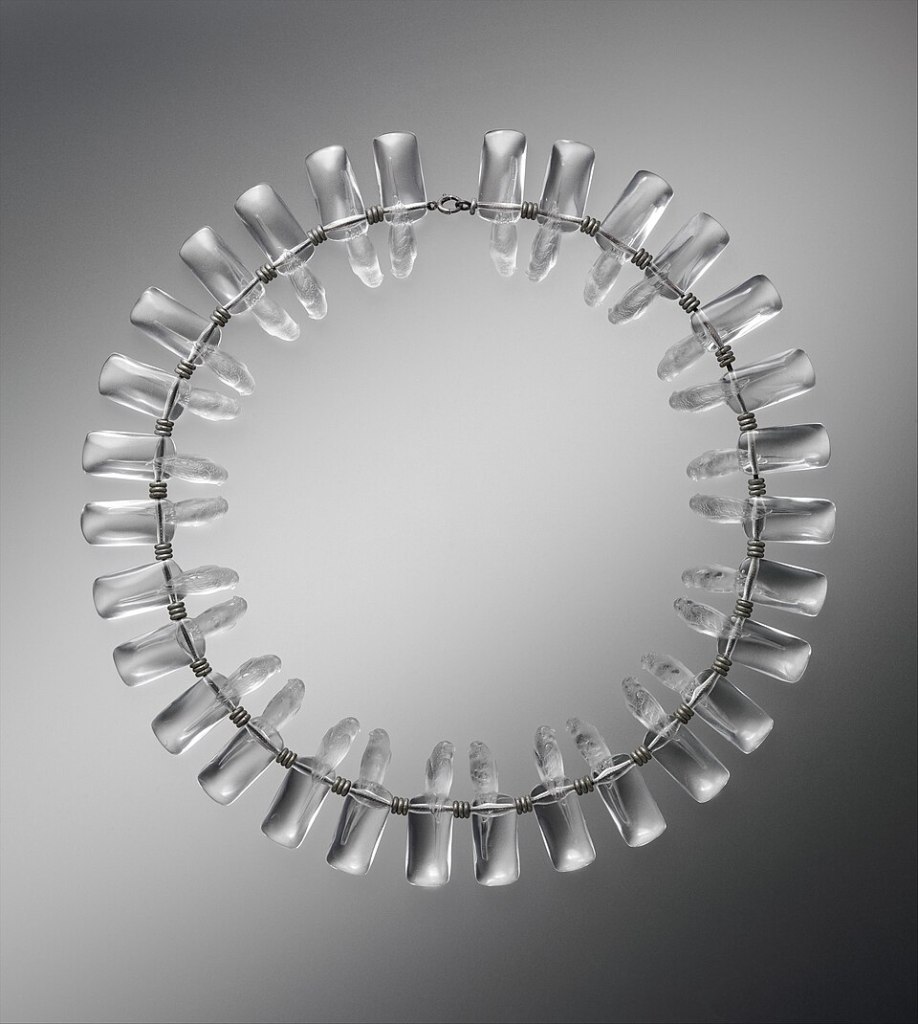

The New York Public Library)
Contemporary Jewelry: Conceptual and Avant-Garde Designs
In the modern era, jewelry has evolved into a platform for conceptual art. Contemporary jewelers use a wide range of materials—from plastics to found objects—to challenge traditional notions of beauty and value. Designs often communicate deeper meanings, explore social issues, or question the role of jewelry in our lives. Today, jewelry is considered a form of art that continuously evolves in response to cultural, technological, and philosophical shifts.
Jewelry’s Connection to Art
Jewelry has always held a dual identity: functional adornment and a piece of art. Unlike traditional forms of art that are often confined to galleries or museums, jewelry merges aesthetic beauty with the intimacy of daily life. It exists between craftsmanship and artistic vision, where design and personal expression coexist. As such, jewelry blurs the lines between wearable and static art, offering a unique way for artists and wearers to engage with the world around them.
The Influence of Artistic Movements
Throughout the late 19th and early 20th centuries, jewelry design became deeply intertwined with artistic movements like Art Nouveau, Art Deco, and Modernism. Art Nouveau brought flowing, organic shapes into jewelry, often inspired by nature, while Art Deco embraced geometric precision and bold, symmetrical patterns. Modernism’s focus on abstraction and innovation pushed jewelers to experiment with materials and forms. Each of these movements transformed jewelry into something that reflected not just personal style, but broader cultural shifts, challenging the boundaries of what jewelry could be.
Famous Artists and Their Jewelry
Several renowned artists blurred the lines between fine art and jewelry design, viewing their creations as functional and sculptural. Salvador Dalí, for example, approached jewelry as an extension of his surrealist vision, turning everyday objects into bizarre, dreamlike treasures. You can observe it in Dalí-Joies Collection (The Dalí Theatre-Museum, Figueres, Spain). Alexander Calder, known for his kinetic sculptures, translated his interest in movement and form into lively, wearable jewelry. These artists, among others, recognized jewelry as more than an accessory. They transformed it into a form of self-expression and an extension of their artistic identity.
Popular Jewelry Materials
The materials used in jewelry design are fundamental to its artistic expression, each carrying its history and symbolism. Traditional materials like gold, gemstones, and glass have long been valued for their beauty, rarity, and permanence. Often used in their purest forms, these materials require advanced skills and a deep understanding of the medium. In contrast, contemporary jewelers often experiment with unconventional materials pushing the traditional boundaries of what jewelry can be. This shift has allowed for greater creativity and innovation, pushing jewelry into new artistic territories.
Handcrafted vs. Machine-made Jewelry
The debate between handcrafted and machine-made jewelry centers around the level of personal input and creativity involved in the process. Handcrafted jewelry often carries a unique quality, where the artisan’s vision and skill are imprinted in every detail, from the precise shaping of metal to the setting of each stone. On the other hand, machine-made jewelry allows for mass production with consistent quality and detail. While it may lack the personal touch of handmade pieces, it offers efficiency and accessibility. Both approaches serve different purposes within the jewelry world, reflecting the balance between tradition and innovation.
Techniques: Enamel Work, Metal Engraving, and Gemstone Carving
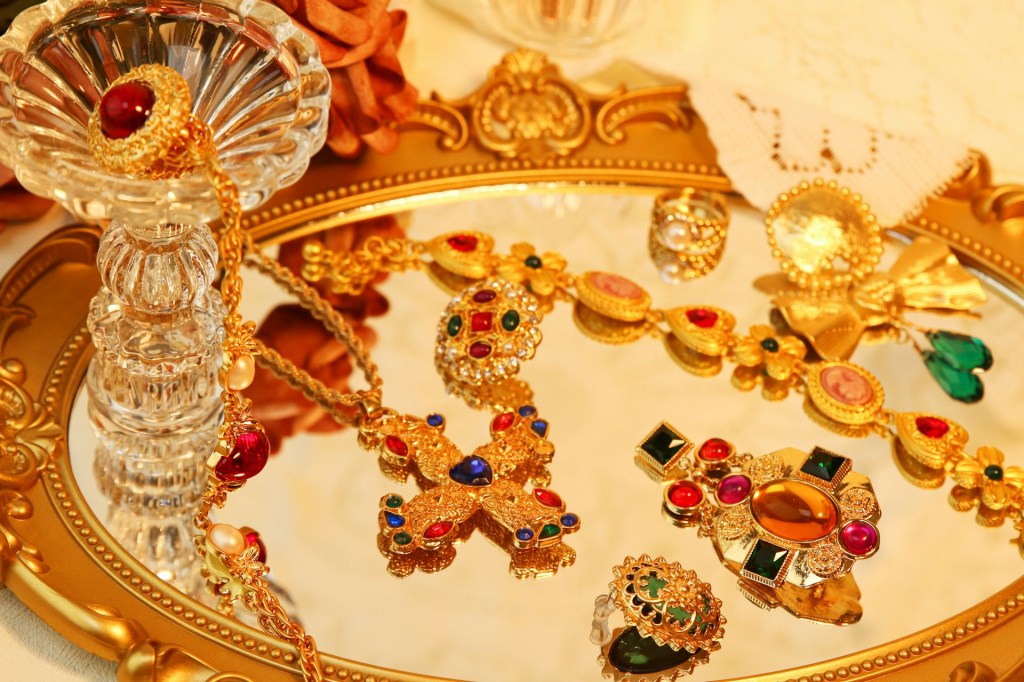
Jewelry design involves different techniques that elevate a piece from functional to artistic. Enamel work, for example, uses powdered glass fused onto metal to create vibrant, translucent surfaces, allowing for intricate color patterns. Metal engraving, a technique often associated with fine jewelry, involves carving or incising designs into the surface of the metal, adding texture and depth to the piece. Gemstone carving is an ancient practice that requires skill in shaping and an understanding of the stone’s unique properties. Each of these techniques brings a distinct layer of artistry to jewelry, turning what could be a simple ornament into a complex work of creative expression.
Contemporary Jewelry as an Art Form
Contemporary jewelry has evolved into a medium for conceptual and avant-garde expression, where the focus is not just on aesthetics but on ideas. Many modern jewelers view their work as a commentary on society, using their pieces to provoke thought or convey personal narratives. These artists often experiment with unconventional materials, abstract forms, and even interactive elements, pushing the boundaries of traditional jewelry design. For them, jewelry is not merely an accessory but a vehicle for challenging perceptions of beauty, value, and function.
Jewelry and Self-Expression
Today, jewelry plays a significant role in self-expression, offering a means to communicate identity and values. Unlike previous eras, where jewelry was primarily used for wealth or status, modern pieces often reflect personal beliefs, cultural heritage, or individual aesthetics. In this sense, contemporary jewelry allows wearers to define themselves outside of conventional standards, turning each piece into a statement of individuality. Whether through bold, unconventional designs or subtle, minimalist forms, jewelry has become a tool for shaping and reflecting one’s sense of self.
Sustainability and Ethical Sourcing
The influence of sustainability and ethical sourcing has become increasingly central to contemporary jewelry design. With growing awareness about environmental impact and labor practices, many artists and jewelers now prioritize responsibly sourced materials, recycled metals, and conflict-free stones. This shift reflects a broader cultural movement towards sustainability, with many jewelers seeing their work as part of a larger conversation about ethical consumerism. For these artists, the value of their creations extends beyond the aesthetic; it encompasses the environmental and social implications of the materials and processes used in their production.
The Most Influential Jewelers in History
René Lalique (France, 1860–1945)
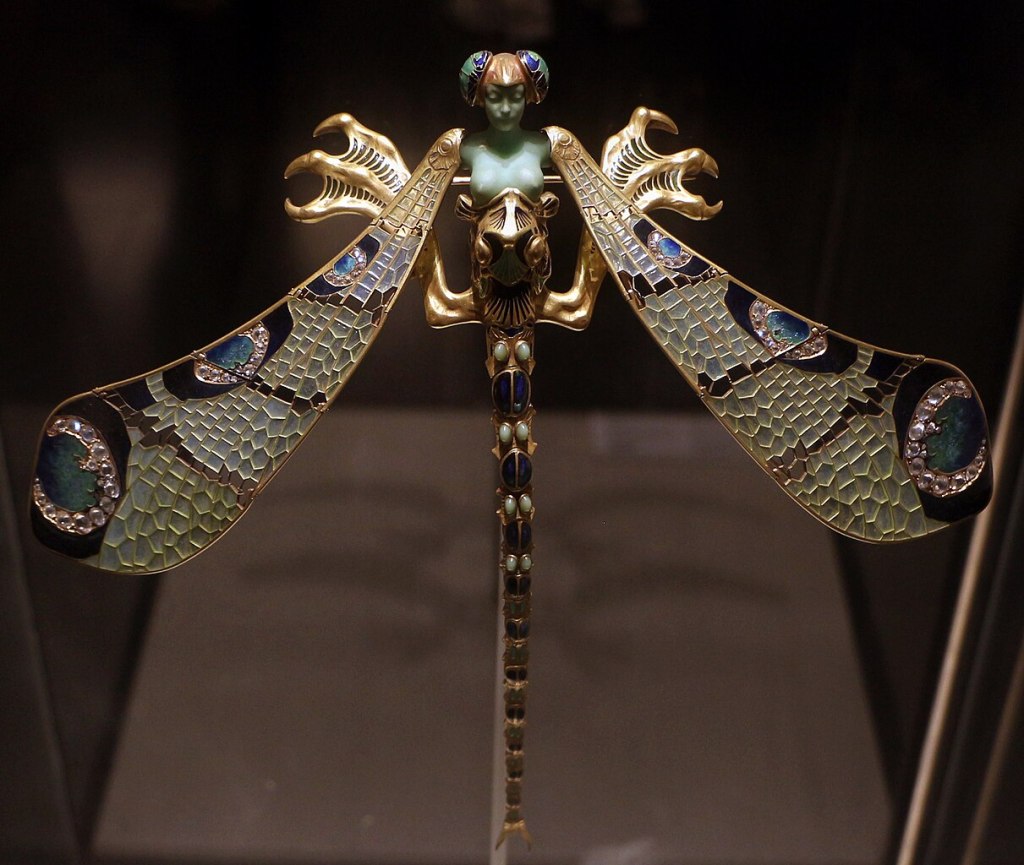
René Lalique was a French glass designer who became a pioneering force in Art Nouveau jewelry. He is renowned for his innovative use of glass, enamel, and semi-precious stones, creating nature-inspired pieces that blur the line between fine jewelry and art. Lalique’s designs often featured delicate floral motifs, birds, and insects, reflecting the influence of natural forms. His work revolutionized jewelry design in the late 19th and early 20th centuries, and his glass jewelry has become iconic in art and fashion.
Louis-François Cartier (France, 1819–1904)
Louis-François Cartier founded the Cartier jewelry house in Paris in 1847, a brand now synonymous with luxury and elegance. Cartier gained recognition for its innovative designs, particularly in the early 20th century, when the brand became the jeweler of choice for the European aristocracy and royalty. The brand’s famous Art Deco style pieces featured bold geometric shapes and vibrant gemstones. Cartier also popularized the panther motif, which became one of the brand’s signature designs. The Cartier crown jewels are among the most celebrated in the world.
Jean Schlumberger (France, 1907–1987)
Jean Schlumberger was a French jewelry designer whose imaginative and whimsical designs became famous through his collaboration with Tiffany & Co. in the mid-20th century. Schlumberger’s work often featured playful motifs such as marine life (e.g., seahorses and fish), floral themes, and abstract shapes, using vivid gemstones and gold to bring his designs to life. His jewelry combined luxury and imagination, making his pieces highly collectible. Notable designs include the Tiffany Blue Book Collection, which has showcased his intricate work.

JAR (Joel Arthur Rosenthal, USA/France, b. 1943)
JAR, the pseudonym of Joel Arthur Rosenthal, is one of the most reclusive and elite jewelers in the world. Based in Paris, his work is considered a modern benchmark in fine jewelry. Known for creating one-of-a-kind pieces, JAR’s designs incorporate rare gemstones, innovative settings, and an artistic approach that sets his work apart. His pieces are celebrated for their rich colors, unusual combinations of stones, and intricate craftsmanship. JAR’s jewelry is often likened to museum-quality art and is highly sought after by collectors and celebrities alike.
Jewelry in Museums and Galleries
Jewelry has found a lasting place in museums and galleries, where it is displayed not just as decoration but as a testament to artistic and cultural history. These institutions highlight the craftsmanship, symbolism, and evolution of jewelry across centuries, offering insight into its role beyond personal adornment.
Prestigious Museums Showcasing Artistic Jewelry
Several museums around the world are dedicated to jewelry, displaying pieces from ancient civilizations to contemporary designs:
- The Schmuckmuseum (Jewelry Museum), Pforzheim, Germany is one of the few museums entirely devoted to jewelry, featuring antique and modern designs.
- The Victoria and Albert Museum (V&A), London, UK is home to an extensive collection of jewelry from various historical periods, including pieces from royal collections.
- The Musée des Arts Décoratifs, Paris, France showcases jewelry from the Middle Ages to contemporary designers like Cartier and Van Cleef & Arpels.
- The American Museum of Natural History (AMNH), New York, USA houses famous gemstones like the Star of India sapphire, exploring the science behind jewelry materials.
- The Schmuckmuseum, Idar-Oberstein, Germany focuses on gemstone carving and jewelry craftsmanship, reflecting the region’s historical expertise.
Collectors and the Value of Unique, Handcrafted Pieces
For collectors, jewelry is more than a fashion statement—it represents history, identity, and artistic excellence. Handcrafted pieces, particularly those made by renowned artists or independent designers, hold unique artistic and cultural value. Rarity, materials, and craftsmanship all contribute to the desirability of collectible jewelry. Some collectors focus on historical pieces, while others invest in contemporary jewelry artists pushing the boundaries of design.
Jewelry as an Investment in the Art World
In recent years, jewelry has increasingly been recognized as an investment in the art world. Pieces by renowned designers or emerging artists are often treated as valuable assets, with some appreciating over time. This recognition elevates jewelry to a status akin to other fine art forms, where its worth is measured in terms of materials and its cultural and artistic impact.
Jewelry has moved past its traditional role as simple decoration and now serves as a medium for personal expression and creative exploration. As artists experiment with new materials and techniques, jewelry reflects complex ideas and individual narratives. The focus on sustainability and innovative design will shape its evolution. Engaging with jewelry today offers a chance to understand it as a dynamic art form, not just an accessory.
 Artenquire